

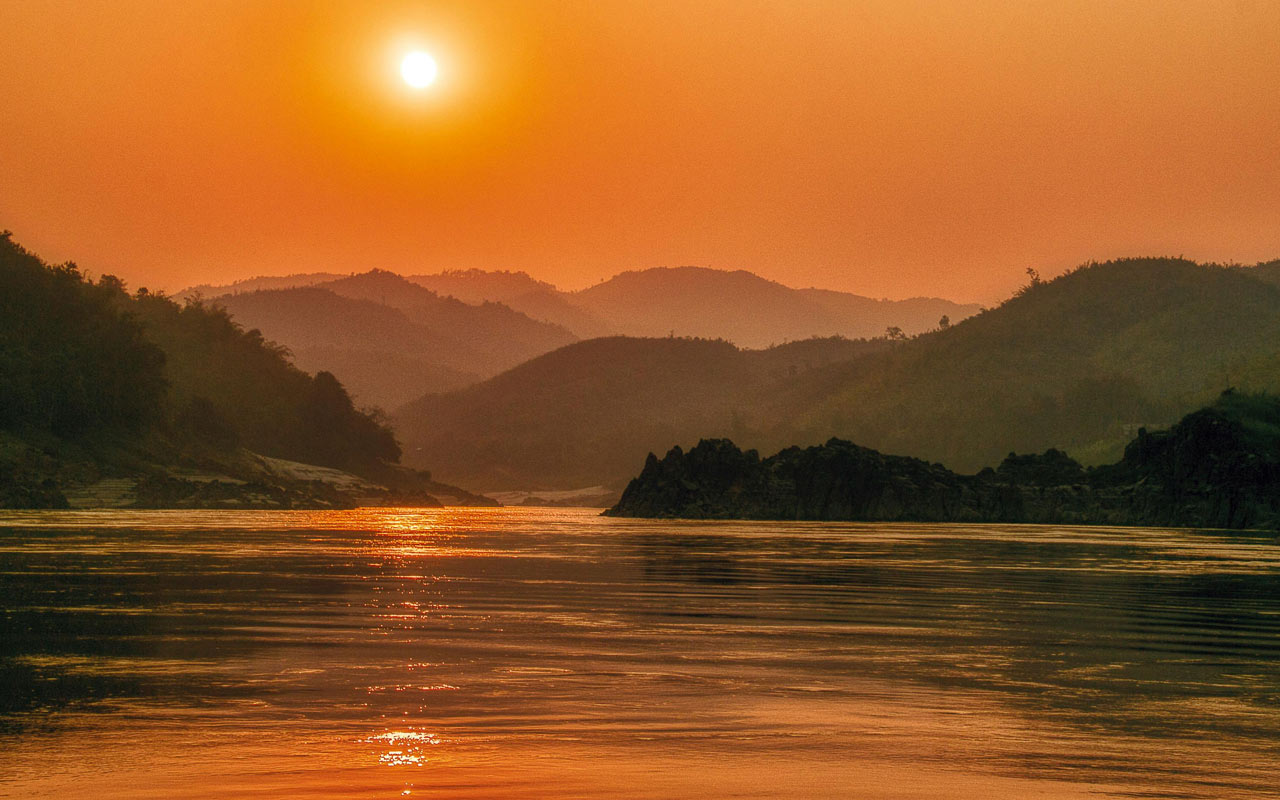
Laos, a land of serene landscapes and rich cultural heritage, offers an array of stunning destinations for travelers. From the ancient temples of Luang Prabang to the tranquil beauty of the 4000 Islands, this Southeast Asian gem is a must-visit. Whether you are an adventure seeker or a cultural enthusiast, Laos has something to offer everyone. Begin your journey with us as we explore the best places to visit in Laos, ensuring you experience the most unforgettable moments this country has to offer.
Luang Prabang: The Heart of Laotian Culture
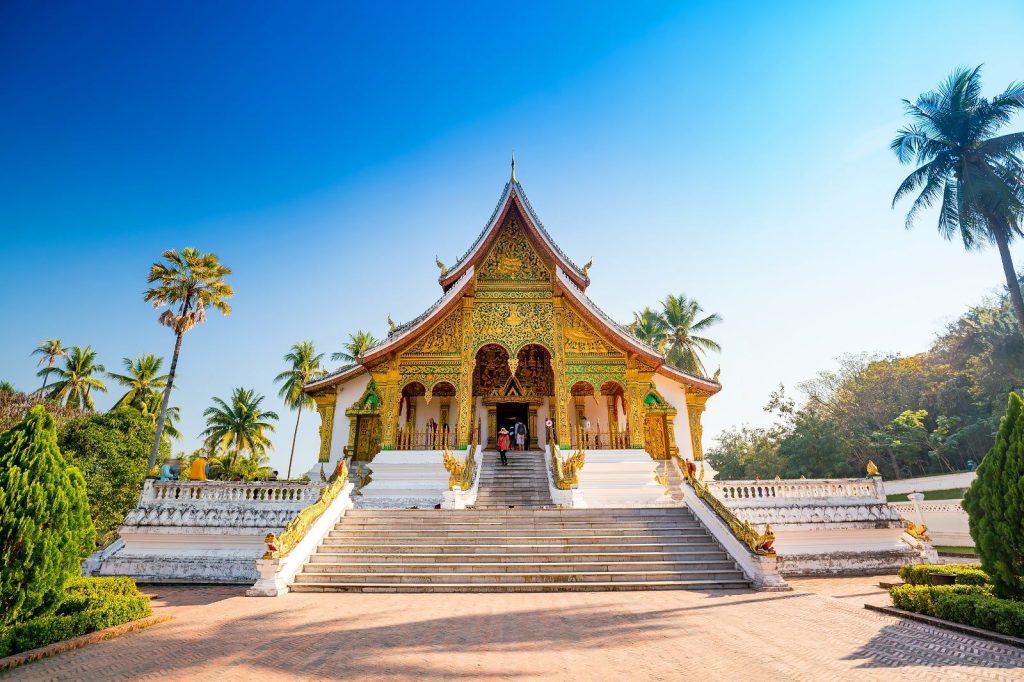
Luang Prabang, a UNESCO World Heritage site, is considered the cultural heart of Laos. This ancient city, nestled at the confluence of the Mekong and Nam Khan rivers, offers a unique blend of history, spirituality, and natural beauty. From its well-preserved temples and French colonial architecture to its vibrant night markets and stunning natural surroundings, Luang Prabang is a must-visit destination for anyone exploring Laos.
Historical Sites:
- Royal Palace Museum (Haw Kham):
- Once the residence of the Lao royal family, the Royal Palace Museum offers a glimpse into the history and culture of Laos. The museum houses royal artifacts, religious objects, and a collection of gifts from foreign dignitaries.
- Wat Xieng Thong:
- This 16th-century temple, known as the “Golden City Monastery,” is one of the most important and beautiful temples in Laos. Its intricate mosaics, golden facades, and serene gardens make it a key highlight for visitors.
- Wat Mai Suwannaphumaham:
- Located near the Royal Palace Museum, Wat Mai is known for its five-tiered roof and exquisite gilded bas-reliefs depicting scenes from the Ramayana. This temple was once the residence of the Supreme Patriarch of Lao Buddhism.
- Mount Phousi:
- Offering panoramic views of Luang Prabang and the surrounding rivers, Mount Phousi is a popular spot for sunrise and sunset. Visitors can climb the 328 steps to the summit to explore the golden stupa of Wat Chomsi and enjoy the breathtaking scenery.
Temples:
- Wat Visoun (Wat Wisunalat):
- Known for its unique That Makmo (Watermelon Stupa), Wat Visoun is one of the oldest temples in Luang Prabang. The temple’s architecture reflects a blend of Lao and Khmer styles.
- Wat Aham:
- Adjacent to Wat Visoun, Wat Aham features a more modern design and serves as a center for Buddhist learning. The temple is surrounded by ancient banyan trees and is a peaceful place for meditation.
- Wat Sene:
- Also known as the Temple of a Hundred Thousand Treasures, Wat Sene is adorned with intricate golden decorations and houses a striking Buddha statue.
Cultural Activities:
- Alms Giving Ceremony:
- Every morning at dawn, hundreds of saffron-clad monks walk through the streets of Luang Prabang to collect alms (food offerings) from locals and tourists. This ancient ritual is a deeply spiritual experience and a must-see for visitors.
- Night Market:
- The night market in Luang Prabang is a bustling hub of activity where visitors can buy handmade crafts, textiles, and local snacks. It is an excellent place to experience the local culture and find unique souvenirs.
- Traditional Arts and Ethnology Centre:
- This museum and cultural center showcase the diverse ethnic cultures of Laos through exhibits, educational programs, and a shop selling traditional handicrafts.
- Kuang Si Waterfall:
- Just outside of Luang Prabang, the Kuang Si Waterfalls is a stunning natural attraction. Visitors can swim in the turquoise pools, hike the surrounding trails, and visit the nearby bear rescue center.
- Cooking Classes:
- Several cooking schools in Luang Prabang offer classes where visitors can learn to prepare traditional Lao dishes. These classes often include a visit to the local market to buy fresh ingredients.
Luang Prabang is a city where history, spirituality, and natural beauty converge. Its rich cultural heritage, well-preserved architecture, and vibrant local traditions make it an essential stop for anyone traveling to Laos. Whether exploring ancient temples, participating in traditional ceremonies, or simply enjoying the serene landscapes, visitors to Luang Prabang will find themselves immersed in the heart and soul of Laotian culture.
Vang Vieng: Adventure and Natural Beauty
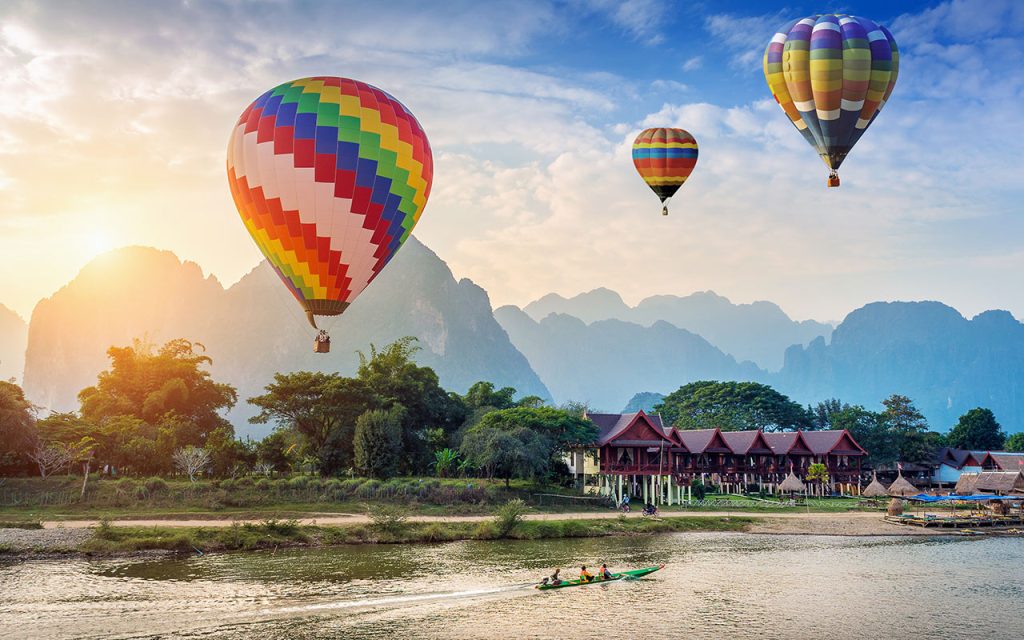
Vang Vieng, a small town located in central Laos, is renowned for its stunning natural landscapes and thrilling outdoor activities. Surrounded by dramatic karst mountains, lush greenery, and the Nam Song River, Vang Vieng offers a perfect blend of adventure and tranquility. This vibrant destination attracts backpackers, adventure enthusiasts, and nature lovers from around the world.
Top Activities in Vang Vieng:
- Rock Climbing:
- Overview: Vang Vieng is a paradise for rock climbing enthusiasts, boasting numerous limestone cliffs and karst formations. The area offers climbing routes for all levels, from beginners to advanced climbers.
- Key Spots: The most popular climbing spots include Tham Nam Phu Caves and Pha Daeng Mountain. Local climbing schools and guides provide equipment and training for a safe and enjoyable experience.
- Hiking:
- Overview: The picturesque trails around Vang Vieng offer hikers breathtaking views of the countryside, lush forests, and hidden caves. Hiking is a great way to explore the area’s natural beauty and local culture.
- Popular Trails: The hike to the viewpoint at Nam Xay is a must, providing panoramic views of the valley and surrounding mountains. Another popular hike is to the Blue Lagoon and Poukham Cave, combining natural beauty and adventure.
- Tubing:
- Overview: Tubing down the Nam Song River is one of the most iconic activities in Vang Vieng. It involves floating down the river on an inflatable tube, stopping at riverside bars along the way.
- Experience: The tubing route offers a mix of relaxation and fun, with beautiful scenery and opportunities to socialize with fellow travelers. Safety measures have improved over the years, making it a safer and more enjoyable activity.
- Kayaking:
- Overview: Kayaking on the Nam Song River provides a more active and immersive way to experience Vang Vieng’s natural beauty. The calm waters and scenic surroundings make it ideal for both beginners and experienced kayakers.
- Routes: Popular kayaking routes include trips from Vang Vieng town to Tham Nam None Cave and longer expeditions to the scenic Vang Vieng countryside. Guided tours are available for those seeking a structured experience.
- Cave Exploration:
- Overview: Vang Vieng is home to numerous caves that offer unique exploration opportunities. These caves are often nestled in the limestone mountains, adding to the adventurous experience.
- Notable Caves: Tham Phu Kham Cave is famous for its reclining Buddha statue and the nearby Blue Lagoon. Tham Chang Cave, known for its historical significance and beautiful formations, is another must-visit.
Vang Vieng offers a diverse range of activities for adventure seekers and nature lovers alike. From rock climbing and hiking to tubing and kayaking, this vibrant town provides endless opportunities to explore its stunning landscapes and enjoy thrilling outdoor experiences. Whether you’re seeking adrenaline-pumping adventures or peaceful encounters with nature, Vang Vieng is a destination that should not be missed on your Laos itinerary.
Plain of Jars: Mysterious Megaliths
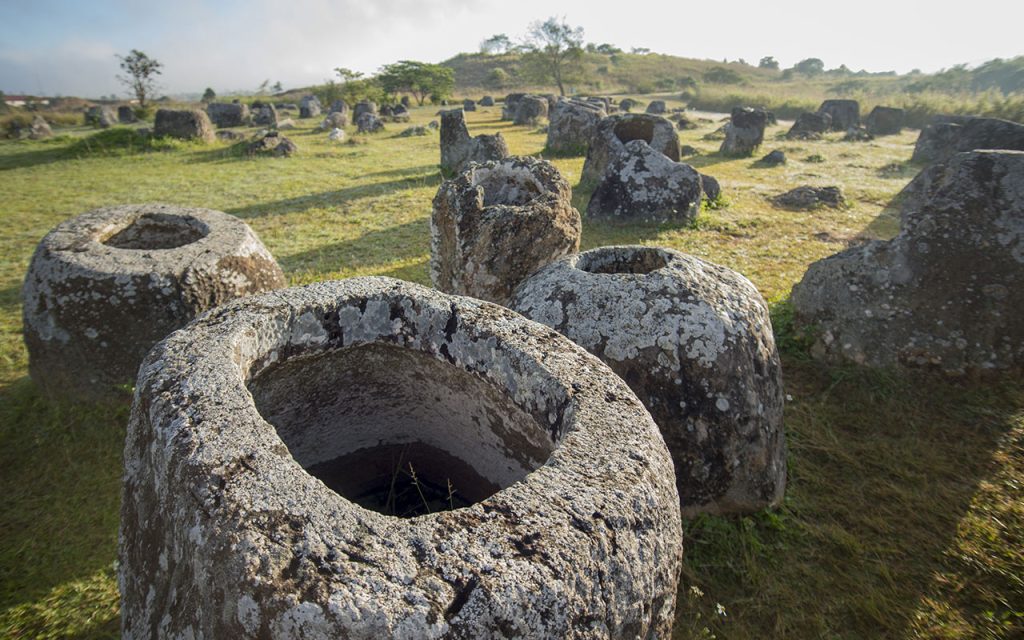
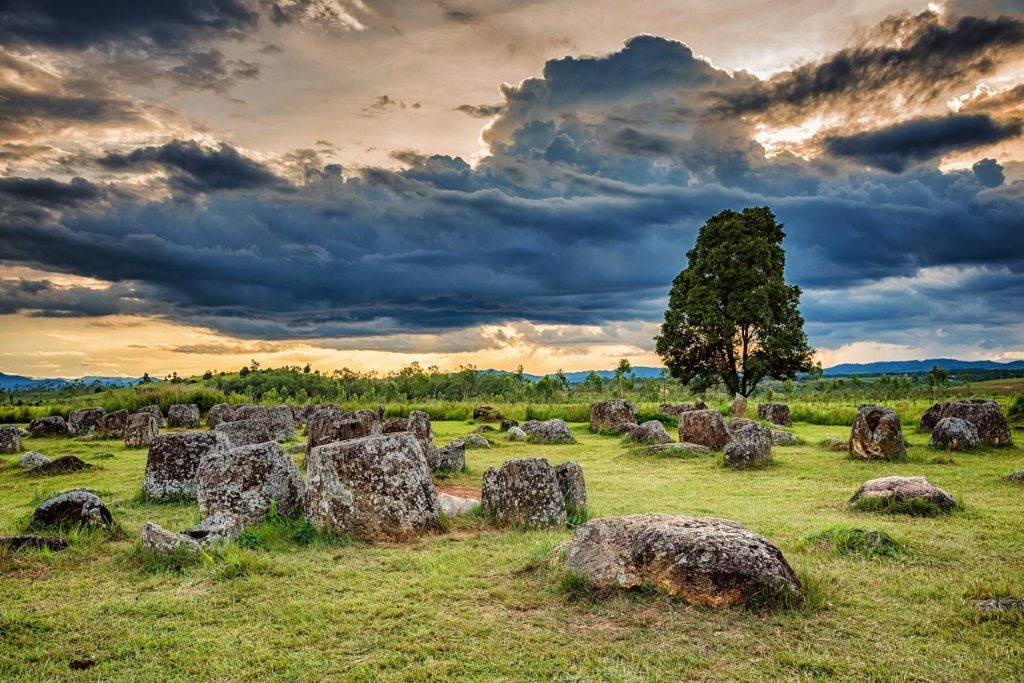
The Plain of Jars, an archaeological landscape in central Laos, is one of the most intriguing and mysterious sites in Southeast Asia. This area is scattered with thousands of large stone jars, whose origins and purposes remain largely unknown. Located in the Xiangkhoang Plateau, the Plain of Jars is a must-visit for history enthusiasts and curious travelers alike.
Archaeological Significance:
- Historical Context:
- The Plain of Jars dates back to the Iron Age (500 BCE to 500 CE), making it an ancient and significant archaeological site. The jars vary in size from one to three meters in height and are made from sandstone, granite, and limestone.
- Theories of Origin:
- Several theories exist regarding the purpose of the jars. The most widely accepted hypothesis is that they were used as funerary urns. Excavations have revealed human remains, burial goods, and ceramics, supporting this theory. Another theory suggests they were used to collect rainwater for travelers.
- Ongoing Research:
- Continuous archaeological research aims to uncover more about the jars’ origins and uses. UNESCO has listed the site as a World Heritage Site, which has helped to protect and promote further study of this enigmatic landscape.
How to Visit:
- Getting There:
- The Plain of Jars is located near the town of Phonsavan, the capital of Xieng Khouang Province. Phonsavan is accessible by a short flight from Vientiane or Luang Prabang. Buses and private cars can also be used for overland travel, though the journey can be long and bumpy.
- Sites to Explore:
- Site 1 (Ban Ang): The largest and most accessible site, featuring over 300 jars and a visitor center with detailed information about the site’s history and significance.
- Site 2 (Hai Hin Phu Salato): Known for its scenic views and fewer, but larger, jars. It is a short drive from Site 1 and involves a bit of hiking.
- Site 3 (Hai Hin Lat Khai): Located further from the main road, this site offers a more secluded experience with jars spread across a picturesque hillside.
- Best Time to Visit:
- The ideal time to visit the Plain of Jars is during the dry season, from November to April. During this period, the weather is cooler and the roads are more passable. The rainy season (May to October) can make travel difficult due to muddy roads and heavy rains.
- Guided Tours:
- Hiring a local guide can enhance your visit, providing valuable insights into the history and significance of the jars. Many tours also include visits to nearby attractions such as the Muang Khoun ruins and the War Memorials from the Indochina War.
The Plain of Jars is a fascinating destination that combines historical mystery with natural beauty. Its enigmatic stone jars continue to captivate archaeologists and visitors alike. A visit to this ancient landscape offers a unique glimpse into the past and a deeper appreciation for the cultural heritage of Laos.
Si Phan Don: The 4000 Islands
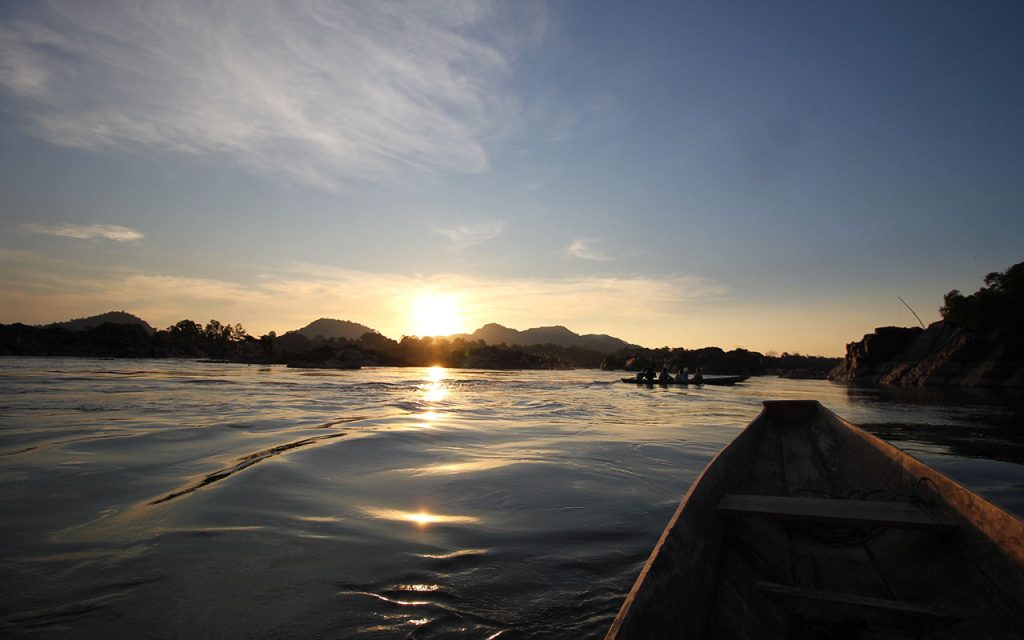
Si Phan Don, meaning “Four Thousand Islands”, is a stunning riverine archipelago located in the Mekong River in southern Laos. This area is known for its relaxed atmosphere, natural beauty, and unique cultural experiences. With numerous islands to explore, each offering its own charm, Si Phan Don is a haven for travelers seeking tranquility and adventure.
Laid-Back Island Life:
- Pace of Life:
- Life in Si Phan Don moves at a slower pace, making it an ideal destination for relaxation. The islands’ laid-back vibe is perfect for unwinding, whether you are lounging in a hammock, exploring the villages, or enjoying the riverside views.
- The local community lives simply, with fishing and farming being the primary livelihoods. This simplicity and tranquility are reflected in the daily life of the islands, providing visitors with a serene escape from the hustle and bustle of city life.
Activities:
- Dolphin Watching:
- One of the main attractions in Si Phan Don is the opportunity to see the rare Irrawaddy dolphins. These dolphins can often be spotted in the waters around Don Khon and Don Det. Boat tours are available to take you closer to these magnificent creatures.
- Dolphin watching is best done early in the morning or late in the afternoon when the dolphins are most active.
- Cycling:
- Renting a bicycle is a popular way to explore the islands. The flat terrain and scenic paths make cycling enjoyable and accessible. You can ride through rice paddies, small villages, and along the riverbanks, taking in the natural beauty and local culture.
- Don Det and Don Khon are connected by an old French-built railway bridge, making it easy to cycle between the two islands.
- Kayaking:
- The Mekong River offers excellent opportunities for kayaking. Paddling through the tranquil waters allows you to explore hidden coves, observe wildlife, and enjoy the lush landscapes from a unique perspective.
- Guided kayaking tours are available, providing equipment and expert knowledge of the best routes and safety tips.
- Waterfalls:
- The Khone Phapheng Falls, the largest waterfall in Southeast Asia, is a must-visit attraction. Located near Don Khon, this powerful waterfall is an impressive sight, with thundering waters and picturesque surroundings.
- Another beautiful waterfall to visit is the Li Phi Falls, also known as Tat Somphamit, which is accessible by bicycle or boat from Don Khon.
Best Islands to Visit:
- Don Det:
- Known for its backpacker-friendly atmosphere, Don Det is popular for its affordable accommodations, lively bars, and scenic views. It is a great base for exploring the surrounding islands and enjoying activities such as tubing and cycling.
- The island’s relaxed vibe and beautiful sunsets make it a favorite among travelers looking to unwind.
- Don Khon:
- Adjacent to Don Det, Don Khon offers a more laid-back and less touristy experience. The island is home to several historical sites, including remnants of the French colonial railway, and is a gateway to the Khone Phapheng and Li Phi waterfalls.
- Don Khon is ideal for those seeking a quieter retreat with opportunities for exploration and nature walks.
- Don Khong:
- The largest island in Si Phan Don, Don Khong, provides a more traditional Lao experience. The island features charming villages, ancient temples, and scenic countryside.
- It is less frequented by tourists, making it perfect for travelers looking to immerse themselves in local culture and enjoy peaceful surroundings.
Si Phan Don offers a unique blend of natural beauty, cultural experiences, and relaxing activities. Whether you are exploring the islands by bicycle, kayaking through the Mekong, or simply enjoying the serene environment, Si Phan Don promises an unforgettable experience in one of Laos’ most picturesque regions.
Vientiane: The Capital City
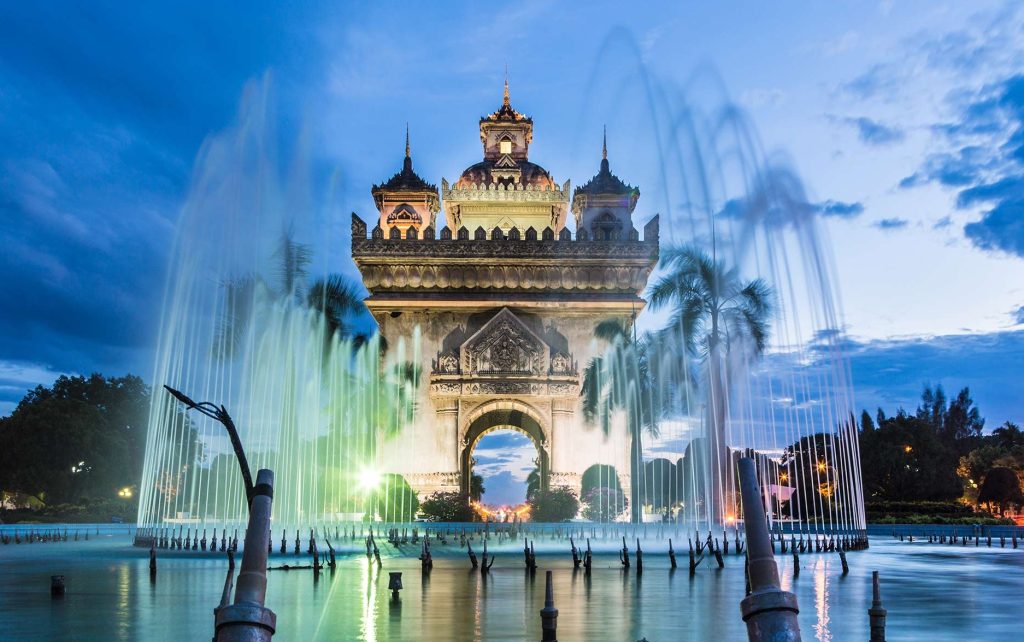
Vientiane, the capital city of Laos, is a charming and relaxed destination that beautifully blends traditional Lao culture with French colonial influences. This riverside city along the Mekong River offers a variety of attractions, dining options, and cultural experiences, making it a delightful stop for travelers exploring Laos.
Key Attractions:
- Pha That Luang:
- Known as the Great Stupa, Pha That Luang is the most important national monument in Laos. This gold-covered stupa dates back to the 16th century and symbolizes Lao sovereignty and Buddhism. The complex includes several temples and is a key site for religious and cultural ceremonies.
- Wat Si Saket:
- Wat Si Saket is the oldest surviving temple in Vientiane, famous for its cloister wall housing thousands of tiny Buddha images and rows of seated Buddhas. The temple’s architecture, with its Siamese-style design, makes it unique among Lao temples.
- Patuxai:
- Often referred to as the “Victory Gate” or “Arc de Triomphe of Vientiane,” Patuxai is a war monument dedicated to those who fought for independence from France. The monument features intricate Lao motifs and offers panoramic views of the city from its top.
- COPE Visitor Centre:
- The COPE Visitor Centre provides insight into the unexploded ordnance (UXO) issues in Laos and the efforts to help survivors. It’s an informative and moving experience, highlighting the country’s history and ongoing challenges.
- Buddha Park (Xieng Khuan):
- Located 25 kilometers southeast of Vientiane, Buddha Park is a surreal sculpture garden featuring over 200 Buddhist and Hindu statues. The park’s unique and somewhat bizarre sculptures make it a fascinating place to visit.
Best Places to Eat:
- Kualao Restaurant:
- Known for its traditional Lao cuisine, Kualao Restaurant offers an elegant dining experience with dishes such as laap (minced meat salad), tam mak hoong (papaya salad), and various fish specialties. The restaurant’s ambiance and live traditional music enhance the dining experience.
- Makphet Restaurant:
- A social enterprise run by Friends-International, Makphet serves delicious Lao food while providing training and employment for marginalized youth. The menu includes a mix of traditional and modern Lao dishes, using fresh, local ingredients.
- Naked Espresso:
- A popular café in Vientiane, Naked Espresso is known for its excellent coffee, Western-style breakfasts, and cozy atmosphere. It’s a great spot to relax and enjoy a light meal or snack.
- Pimenton:
- For those craving Western cuisine, Pimenton offers high-quality steaks, tapas, and an extensive wine list. The restaurant’s chic setting and attentive service make it a favorite among expatriates and tourists alike.
Cultural Experiences:
- Morning Market (Talat Sao):
- Talat Sao, or the Morning Market, is a bustling shopping area where you can find a variety of goods, from fresh produce and traditional textiles to electronics and jewelry. It’s an excellent place to experience the local market culture and pick up souvenirs.
- Night Market:
- Located along the Mekong River, the Vientiane Night Market comes alive in the evening, offering a range of products including clothing, handicrafts, and street food. The market’s vibrant atmosphere and scenic riverside setting make it a must-visit.
- Traditional Lao Dance and Music:
- Several venues in Vientiane offer performances of traditional Lao dance and music. These cultural shows provide insight into Lao traditions and are often accompanied by a traditional Lao meal, creating a memorable cultural experience.
- Lao Textile Museum:
- This museum showcases traditional Lao textiles and weaving techniques. Visitors can learn about the intricate process of silk production and the cultural significance of various textile patterns.
Vientiane offers a rich tapestry of historical sites, delicious cuisine, and vibrant cultural experiences. Whether exploring ancient temples, enjoying local delicacies, or immersing yourself in traditional Lao culture, Vientiane provides a unique and enriching travel experience.
Off the Beaten Track Places to visit in Laos
Laos is not just about the well-trodden paths of Luang Prabang and Vang Vieng. For those seeking adventure beyond the usual tourist routes, here are some hidden gems that promise unique experiences and unforgettable memories.
- Nong Khiaw: Nestled along the Nam Ou River, Nong Khiaw offers incredible trekking opportunities, scenic boat trips, and a chance to explore the stunning karst formations.
- Tham Kong Lo: Located in Phu Hin Bun National Park, this spectacular cave features a 6.5-kilometer long river that can be navigated by boat, revealing breathtaking jade-colored pools and impressive stalactites and stalagmites.
- Phonsavan: Known for the enigmatic Plain of Jars, Phonsavan also offers beautiful trekking paths, secret caves, and cascading waterfalls.
- Luang Namtha: A gateway to ethnic villages and lush landscapes, this area is perfect for trekking and exploring the traditional lifestyles of the hill tribes.
- Bolaven Plateau: Famous for its waterfalls and coffee plantations, this region is ideal for exploring lush greenery and experiencing the local agriculture.
Top Off-the-Beaten-Track Places in Laos:
- Nong Khiaw
- Tham Kong Lo
- Phonsavan
- Luang Namtha
- Bolaven Plateau
Conclusion
Laos, with its breathtaking landscapes, rich cultural heritage, and warm hospitality, offers a unique travel experience for every kind of traveler. Whether you’re exploring the mystical Plain of Jars, enjoying the serene beauty of Luang Prabang, or embarking on an adventure in the lush forests of Vang Vieng, this country promises unforgettable memories. From the vibrant markets of Vientiane to the tranquil Mekong River cruises, every corner of Laos beckons with charm and intrigue.
As you plan your journey, remember that the best time to visit Laos is between November and February when the weather is cool and dry, perfect for sightseeing and outdoor activities. For those seeking off-the-beaten-path adventures, the Bolaven Plateau and the mysterious Kuang Si Falls offer hidden gems waiting to be discovered. Families, solo travelers, and adventure seekers alike will find Laos an enchanting destination that caters to diverse travel preferences.
Embark on a journey to Laos and immerse yourself in its enchanting beauty, rich traditions, and welcoming communities. Whether you’re a history enthusiast, nature lover, or simply looking for a peaceful retreat, Laos offers something for everyone. So pack your bags and get ready to uncover the wonders of Laos – a destination that will leave you longing for more.
Explore the best places to visit in Laos and create memories that will last a lifetime. Your adventure awaits!
Frequently Asked Questions
What is the best time to visit Laos?
The best time to visit Laos is during the dry season, which runs from November to April. The weather is warm and dry, making it ideal for outdoor activities and river travel. The period from November to January is particularly favorable due to comfortable temperatures and high water levels in the Mekong River.If you prefer fewer crowds and lower prices, consider visiting during the shoulder seasons of October to November or February to March.What are the must-see places in Luang Prabang?
Luang Prabang is full of incredible sights and experiences. Here are some must-see places:- Kuang Si Falls: These stunning waterfalls are known for their turquoise pools and lush surroundings. It's a great spot for a refreshing swim.
- Mount Phousi: Climb the 355 steps to the top for panoramic views of the city and the Mekong River. The sunset views are particularly breathtaking.
- Wat Xieng Thong: This is one of the most important and beautiful temples in Laos, showcasing classic Luang Prabang architecture.
- Night Market: A vibrant market where you can find local crafts, textiles, and delicious street food.
- Royal Palace Museum: Once the residence of the Lao royal family, this museum offers a glimpse into the country's history and culture.
- Pak Ou Caves: Located along the Mekong River, these caves are filled with thousands of Buddha statues and are accessible by boat.
What are the must-see places in Vientiane?
Vientiane, the capital of Laos, offers a mix of historical, cultural, and natural attractions. Here are some must-see places:- Pha That Luang: This is the most important national monument in Laos, symbolizing both the Buddhist religion and Lao sovereignty.
- Wat Si Saket: Known for its cloister wall housing thousands of tiny Buddha images and rows of seated Buddhas.
- Patuxai (Victory Monument): Often compared to the Arc de Triomphe in Paris, this monument offers great views of the city from its top.
- COPE Visitor Centre: This center provides insight into the history of unexploded ordnance (UXO) in Laos and the ongoing efforts to clear them.
- Buddha Park (Xieng Khuan): Located about 25 km southeast of Vientiane, this park features over 200 Hindu and Buddhist statues.
- Wat Si Muang: A vibrant temple believed to house the guardian spirit of Vientiane.
How to travel between destinations in Laos?
Traveling between destinations in Laos can be an adventure in itself! Here are some of the main options:- Buses and Minivans: These are the most common and affordable ways to travel between cities. They connect major destinations like Vientiane, Luang Prabang, and Vang Vieng.
- Trains: The Laos-China Railway, operational since 2021, offers a faster and more comfortable option for traveling between major cities in the northern part of the country.
- Flights: For quicker travel, domestic flights are available between major cities such as Vientiane, Luang Prabang, and Pakse.
- Boats: Traveling by boat along the Mekong River can be a scenic and relaxing way to get around, especially between Luang Prabang and Huay Xai.
- Tuk-Tuks and Jumbos: For shorter distances within cities or towns, tuk-tuks and jumbos (larger tuk-tuks) are widely used.
- Motorbikes and Bicycles: Renting a motorbike or bicycle is a great way to explore at your own pace, especially in more rural areas.
What are the top activities in Vang Vieng?
Vang Vieng is known for its stunning natural landscapes and adventure activities. Here are some top activities to enjoy:- Tubing on the Nam Song River: This is a classic Vang Vieng experience where you float down the river in an inner tube, enjoying the scenery and stopping at riverside bars.
- Exploring Tham Phu Kham Cave and Blue Lagoon: Visit this beautiful cave and swim in the turquoise waters of the Blue Lagoon.
- Hot Air Ballooning: Get a bird's-eye view of the stunning karst mountains and lush landscapes.
- Hiking to Nam Xay Viewpoint: A challenging hike that rewards you with breathtaking views of the surrounding area.
- Kayaking and Ziplining: Combine kayaking on the Nam Song River with an exhilarating zipline adventure.
- Visiting Tham Nam (Water Cave): Explore this cave by tubing through its water-filled passages.
- Rock Climbing: Vang Vieng offers some great spots for rock climbing, suitable for both beginners and experienced climbers.
- Paramotoring: For an adrenaline rush, try paramotoring and enjoy the aerial views of Vang Vieng.
Are there any hidden gems in Laos?
Laos is full of hidden gems that offer unique experiences away from the typical tourist paths. Here are a few to consider:- Kong Lor Cave: This 7.5 km long cave is navigable by boat and features stunning stalactites and stalagmites.
- Plain of Jars: Scattered across the Xieng Khouang plateau, these mysterious stone jars are believed to be over 2,000 years old.
- Si Phan Don (4000 Islands): Located in the Mekong River, this area is perfect for relaxing, kayaking, and spotting the rare Irrawaddy dolphins.
- Bokeo Nature Reserve: Home to the Gibbon Experience, where you can stay in treehouses and zipline through the forest.
- Wat Phu: An ancient Khmer temple complex in Champasak, offering a glimpse into the region's history and stunning views.
- Muang Ngoi Neua: A peaceful village accessible only by boat, surrounded by mountains and ideal for trekking and exploring caves.
What are the best places for adventure activities in Laos?
Laos is a fantastic destination for adventure enthusiasts. Here are some of the best places for adventure activities:- Vang Vieng: Known for its stunning limestone karsts and outdoor activities, you can enjoy tubing, kayaking, rock climbing, and hot air ballooning here.
- Luang Prabang: Besides its cultural heritage, you can trek through the surrounding mountains, visit waterfalls like Kuang Si, and explore caves.
- Si Phan Don (4000 Islands): Ideal for kayaking and spotting the rare Irrawaddy dolphins.
- Bokeo Nature Reserve: Home to the Gibbon Experience, where you can zipline through the forest and stay in treehouses.
- Thakhek Loop: A great spot for rock climbing, especially at Green Climbers Home, which offers routes for all levels.
- Nam Ha National Protected Area: Perfect for trekking, kayaking, and experiencing the local wildlife and ethnic villages.
What are the cultural highlights of Vientiane?
Vientiane, the capital of Laos, is rich in cultural and historical attractions. Here are some of the cultural highlights you shouldn't miss:- Pha That Luang: This golden stupa is the most important national monument in Laos, symbolizing both Buddhism and Lao sovereignty.
- Wat Si Saket: Known for its cloister wall housing thousands of tiny Buddha images and rows of seated Buddhas.
- Patuxai (Victory Monument): Often compared to the Arc de Triomphe in Paris, this monument offers great views of the city from its top.
- COPE Visitor Centre: This center provides insight into the history of unexploded ordnance (UXO) in Laos and the ongoing efforts to clear them.
- Buddha Park (Xieng Khuan): Located about 25 km southeast of Vientiane, this park features over 200 Hindu and Buddhist statues.
- Lao National Museum: Offers a comprehensive look at the history and culture of Laos.
- Wat Si Muang: A vibrant temple believed to house the guardian spirit of Vientiane.
Are there any eco-tourism spots in Laos?
Yes, Laos offers several fantastic eco-tourism spots that allow you to experience its natural beauty while supporting sustainable practices. Here are some highlights:- Nam Ha National Protected Area: Located in northern Laos, this area is perfect for trekking, kayaking, and experiencing the local wildlife and ethnic villages.
- Bokeo Nature Reserve: Home to the Gibbon Experience, where you can zipline through the forest and stay in treehouses, offering a unique way to explore the jungle.
- Nam Et-Phou Louey National Protected Area: This remote wilderness area is great for wildlife spotting, including the Nam Nern Night Safari, which offers birdwatching, wildlife tracking, and nighttime wildlife spotting.
- Bolaven Plateau: Known for its cool climate, coffee plantations, and stunning waterfalls, this region is ideal for eco-friendly tours and exploring rural Laos.
- Phou Khao Khouay National Park: Located near Vientiane, this park offers beautiful landscapes, waterfalls, and opportunities for trekking and birdwatching.
What are some must-try dishes in Laos?
Laotian cuisine is rich in flavors and unique dishes. Here are some must-try dishes when visiting Laos:- Larb (Laap): A traditional minced meat salad, often made with chicken, beef, pork, or fish, mixed with herbs, lime juice, fish sauce, and toasted rice powder.
- Sticky Rice (Khao Niew): A staple in Lao cuisine, often served with various dishes. It's traditionally eaten by rolling it into small balls and dipping it into sauces.
- Tam Mak Hoong (Papaya Salad): A spicy and tangy salad made from shredded green papaya, tomatoes, lime, fish sauce, and chilies.
- Khao Poon: A spicy and aromatic noodle soup made with vermicelli noodles, coconut milk, and red curry paste, often served with fresh herbs.
- Mok Pa: Steamed fish wrapped in banana leaves, seasoned with herbs like lemongrass, kaffir lime leaves, and dill.
- Sai Oua (Lao Sausage): A flavorful sausage made with pork, lemongrass, kaffir lime leaves, and galangal, usually grilled and served with sticky rice.
- Kaipen: Crispy dried river weed, often served with a spicy dipping sauce. It's a popular snack in northern Laos.
- Or Lam: A traditional stew from Luang Prabang, made with meat, eggplant, mushrooms, and flavored with lemongrass and chili wood.
How many days are enough to visit Laos?
To fully experience Laos, it's recommended to spend 7 to 10 days. This duration allows you to explore several regions and enjoy a mix of cultural, historical, and natural attractions without feeling rushed.Here's a suggested itinerary:- Days 1-3: Luang Prabang: Explore the temples, waterfalls, and night markets.
- Days 4-5: Vang Vieng: Enjoy adventure activities like tubing, hiking, and exploring caves.
- Days 6-7: Vientiane: Visit cultural landmarks and museums.
- Days 8-10: Southern Laos (Pakse and the 4000 Islands): Relax and explore the natural beauty of the Mekong River and surrounding areas.
Share This Post





















Welcome to Asia Travel & Leisure, your premier Southeast Asia DMC specializing in authentic B2B travel experiences across Vietnam, Laos, Cambodia, Myanmar, and Thailand.


