

Our Thailand DMC Services
Key Destinations We Operate in Thailand
Asia Travel & Leisure is a trusted local Destination Management Company (DMC) in Thailand, delivering professional ground handling and tailor-made programs for international tour operators, educational institutions, and corporate clients. With our Bangkok office and a regional network across Ho Chi Minh City, Hanoi, Luang Prabang, Siem Reap, and Yangon, we provide seamless Thailand programs and multi-country extensions throughout Southeast Asia.
Thailand remains one of Asia’s most commercially viable destinations. Excellent air connectivity, strong tourism infrastructure, diverse product segments, and year-round operations make it ideal for series groups, incentive travel, educational programs, and luxury tailor-made journeys. From Bangkok’s dynamic urban landscape to Northern Thailand’s cultural heritage and the beaches of Phuket, Krabi, and Koh Samui, the destination supports scalable, high-quality itineraries for multiple market segments.
Our Thailand DMC team manages the full operational spectrum: hotel contracting, transport logistics, licensed guides, MICE coordination, CSR activities, study tours, cultural immersion programs, and special-interest travel. We support both ad-hoc groups and long-term series operations with structured pricing, risk management protocols, and 24/7 on-ground assistance.
For schools and universities, we design structured educational travel programs combining cultural exposure, sustainability initiatives, and community engagement. For corporate partners, we deliver incentive programs, conferences, and executive travel with precise logistical coordination. For tour operators, we provide dependable execution, competitive rates, and flexible customization aligned with your market positioning.
Our strength lies in local presence, regional integration, and long-standing supplier relationships. Whether operating a standalone Thailand itinerary or combining Thailand with Vietnam, Laos, Cambodia, or Myanmar, Asia Travel & Leisure acts as your single regional DMC partner in Southeast Asia.
Partner with a team that understands operational detail, commercial structure, and long-term collaboration.
Bangkok
Bangkok, “The City of Angels”, is an enigmatic wonder filled with delightful contrasts. A place of fascinating history where golden, elaborate temples abound, set against a bustling, modern cityscape. There is an endless list of things to see and do here, and travelers will be surprised at every bend and turn. Fantastic shopping options (from elegant malls to busy market stalls that sell charming souvenirs), an eclectic burgeoning art scene, and a feast of culinary choices (both world-renowned international restaurants and exciting local street food) are just the start of what awaits visitors to the unconventional city.
MORE INFORMATION
Extend Beyond Thailand

Vietnam & Thailand Cultural Routes
Seamless cultural programs linking Vietnam’s heritage hubs with Thailand’s key cities for group and incentive travel.
Laos Thailand itineraries
Seamless itineraries connecting Northern Thailand with Luang Prabang and the Mekong corridor for curated cultural and executive travel.
Cambodia Thailand Tours
Explore the cultural fusion of Thailand and Cambodia, from ancient temples to modern wonders, for a truly immersive experience.
Thailand Myanmar Packages
Pair Myanmar’s heritage cities with Thailand’s key cultural and commercial centers for scalable group itineraries and executive travel.
Grand Indochina & Southeast Asia Circuit
Comprehensive regional circuits across Laos, Vietnam, Thailand, Cambodia, and Myanmar under unified operational management.
Festival Calendar
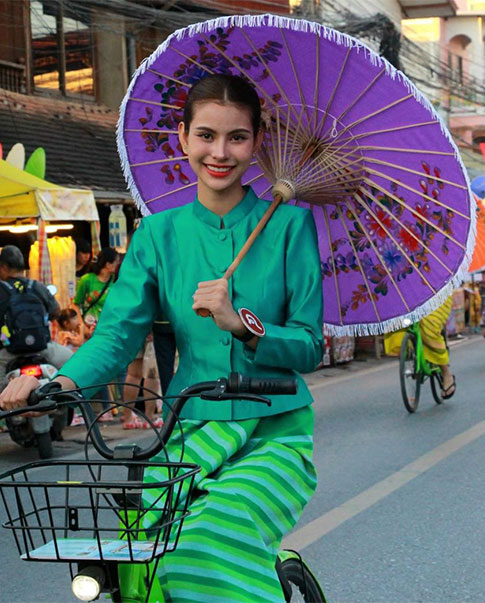
Bo Sang Umbrella and Sankhampaeng Crafts Festival
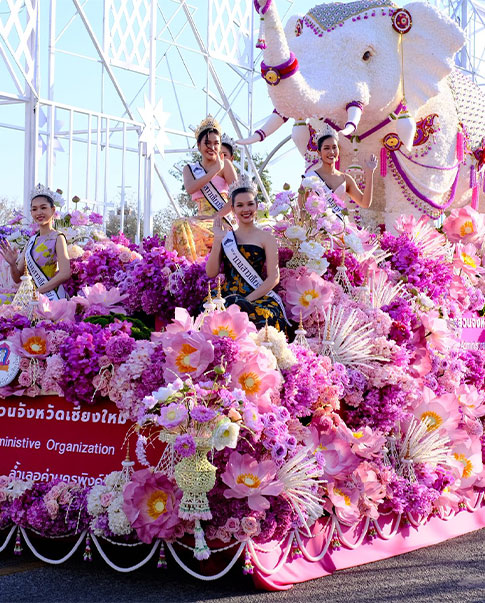
Chiang Mai Flower Festival
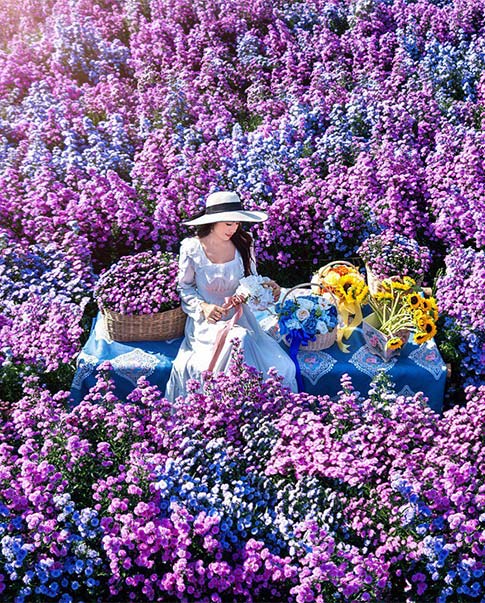
Chiang Rai Flower Festival
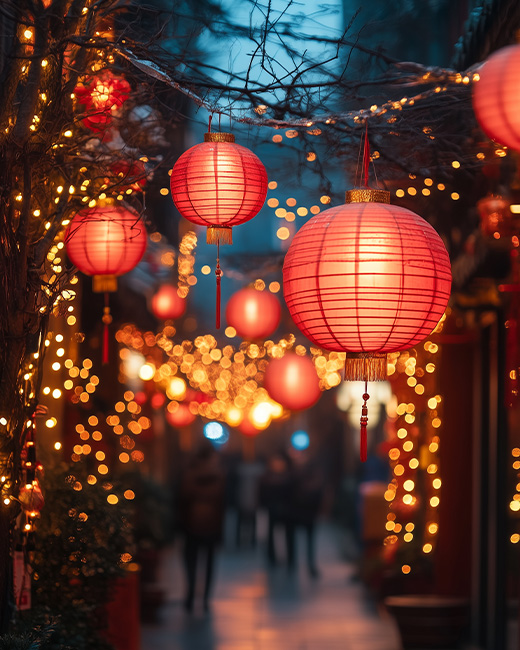
Chinese New Year
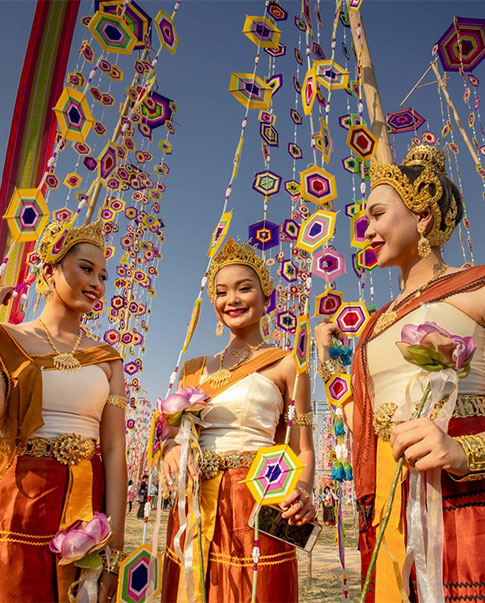
Makha Bucha Day
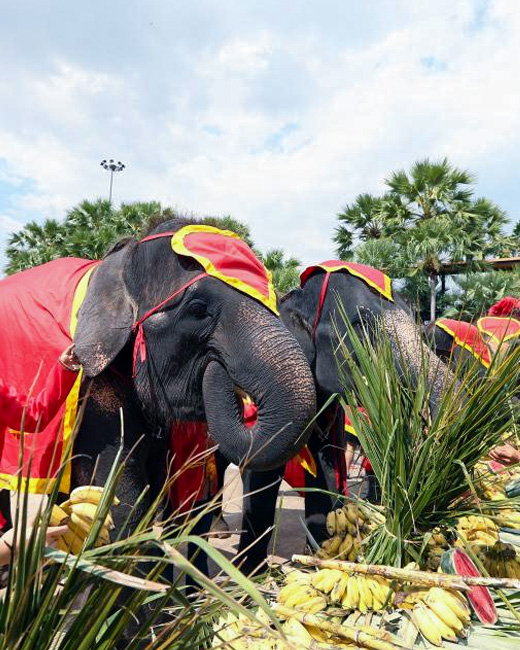
National Thai Elephant Day
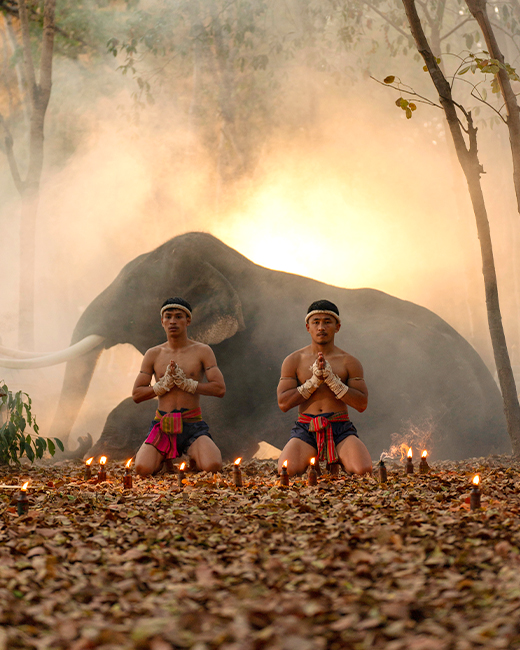
Wai Kru Muay Thai Ceremony
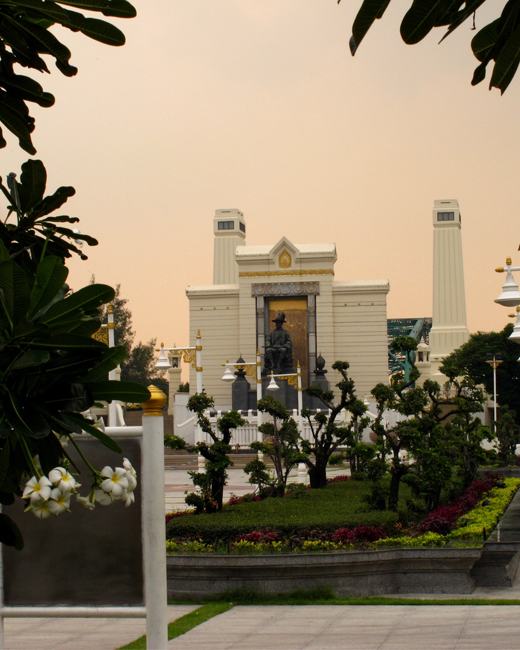
Chakri Day
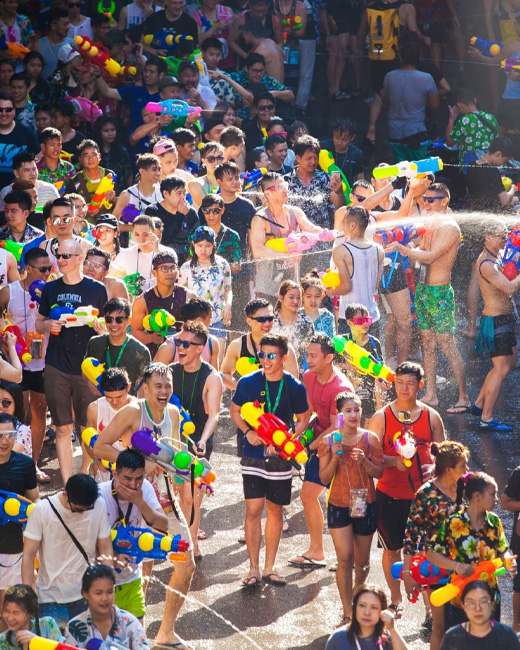
Songkran Festival
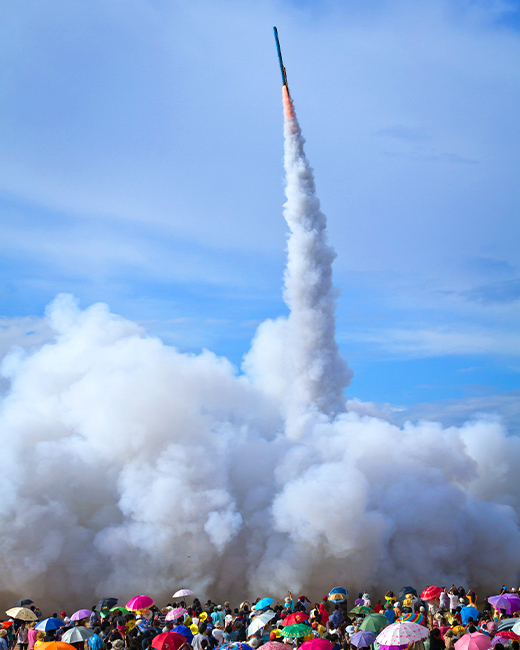
Yasothon Rocket Festival
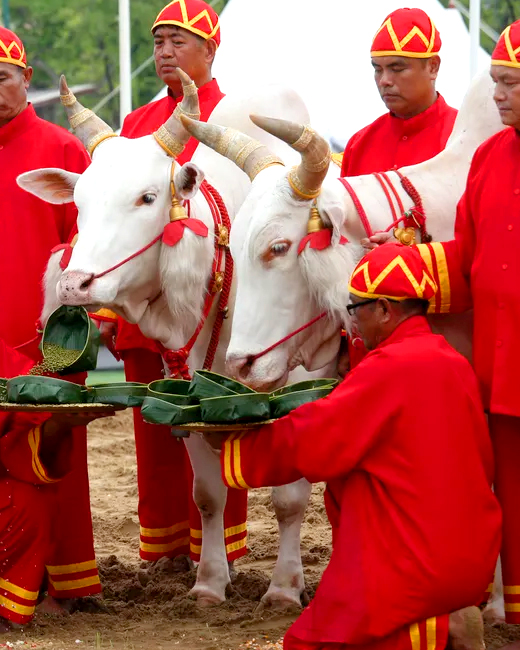
Royal Ploughing Ceremony
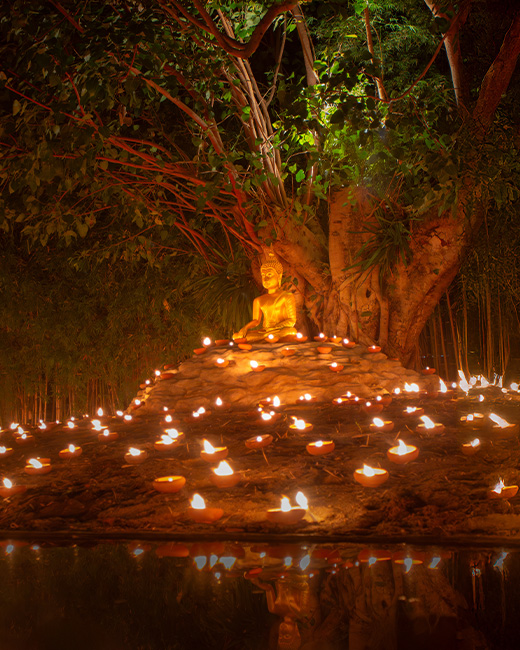
Visakha Bucha Day
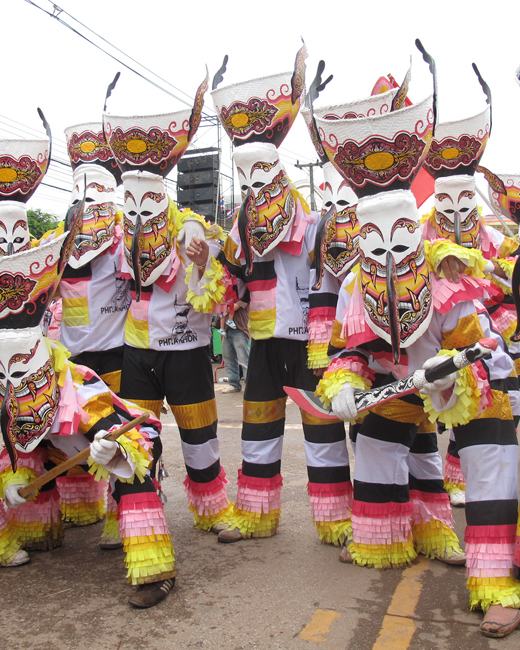
Phi Ta Khon Festival Day
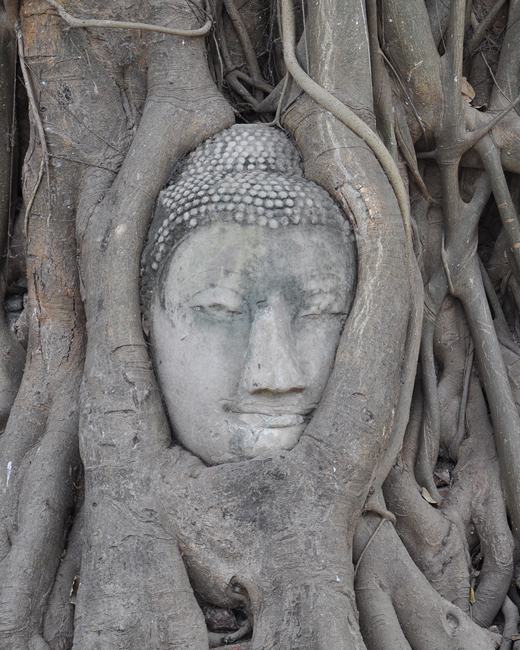
Asahna Bucha Day
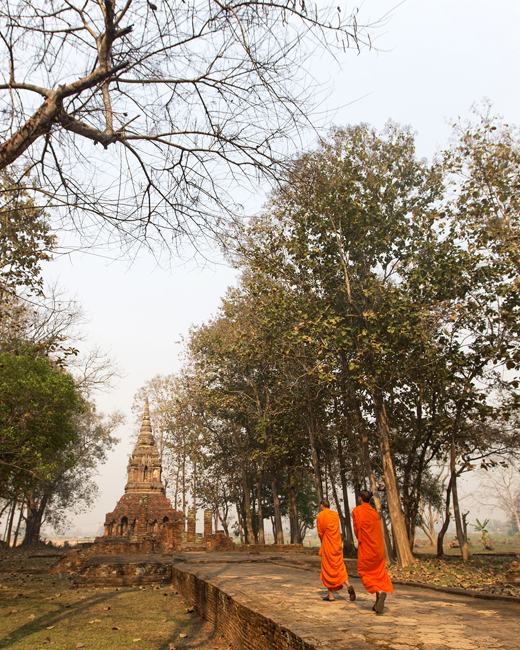
Khao Phansa Day
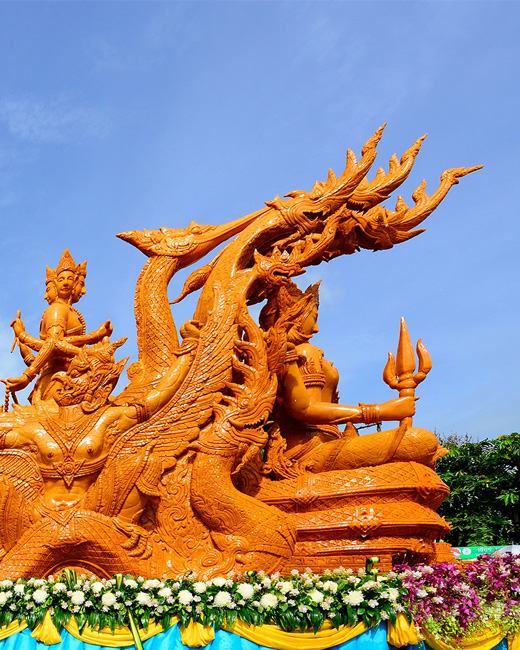
Ubon Ratchathani Candle Festival
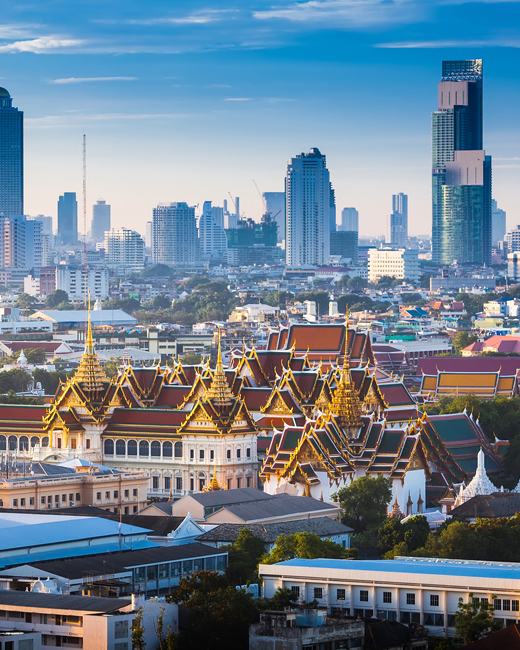
King Vajiralongkorn's Birthday
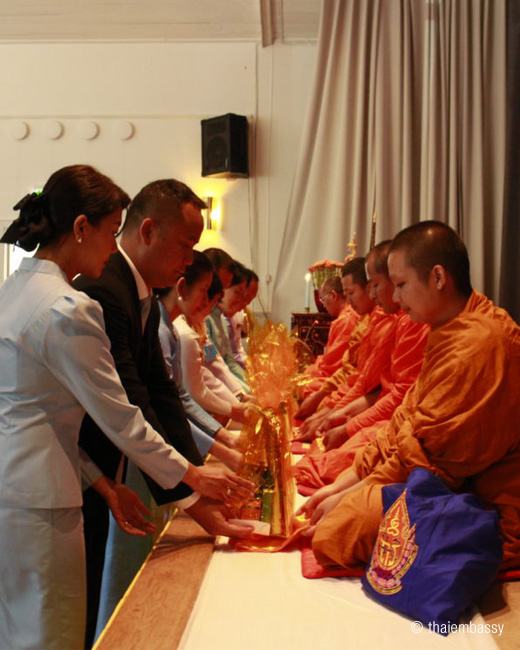
Her Majesty the Queen's Birthday
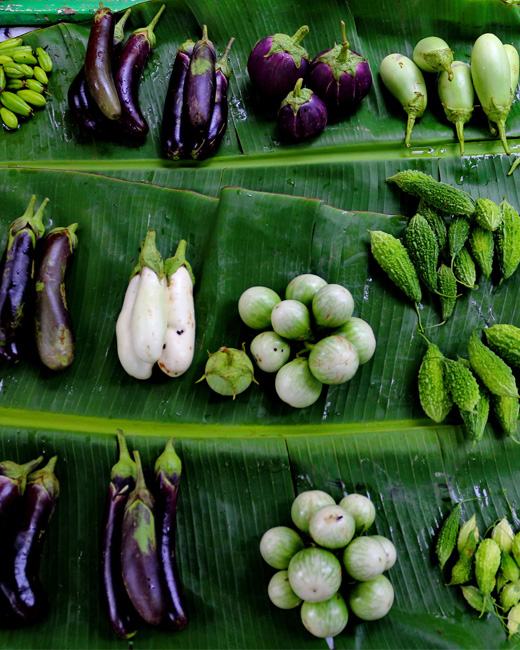
Vegetarian Festival
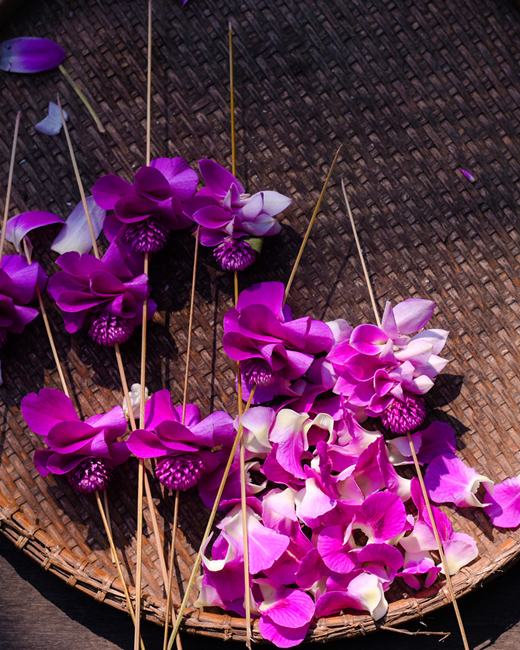
Passing of His Majesty the Late King
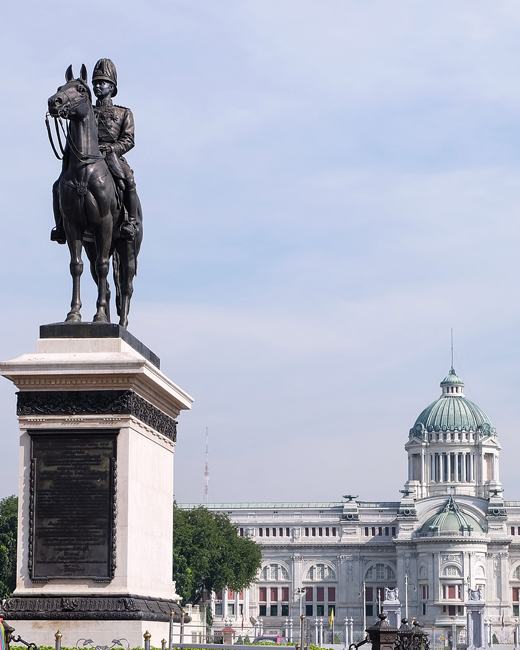
Chulalongkorn Memorial Day
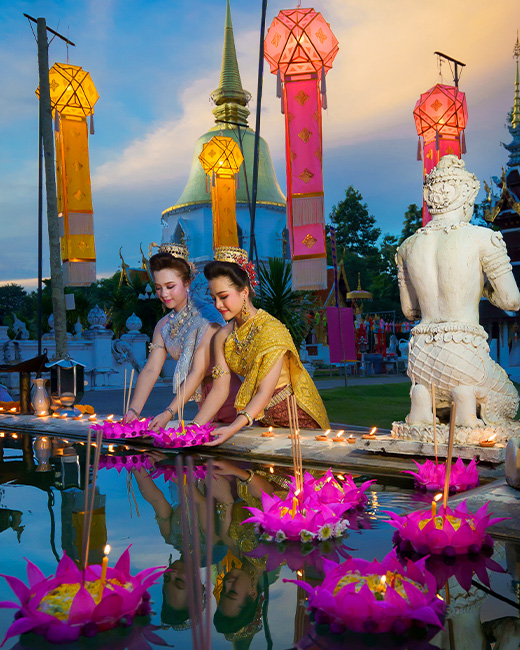
Loy Krathong
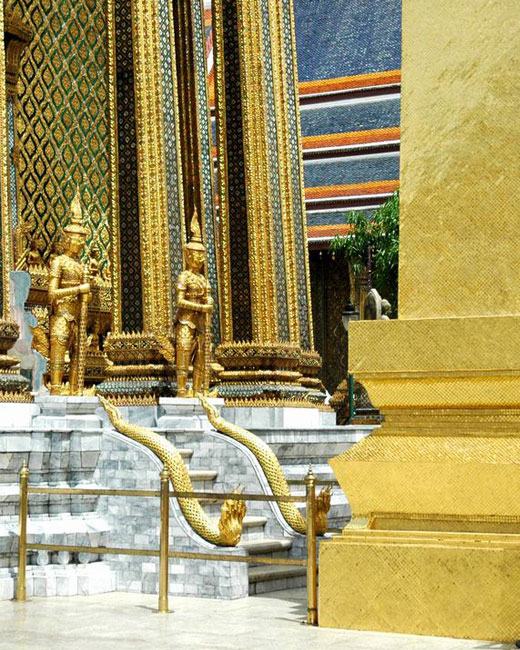
His Majesty the Late King's Birthday
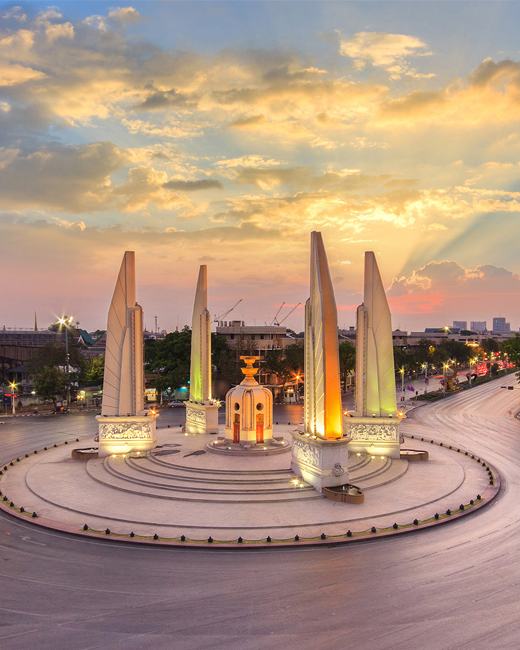
Constitution Day
Useful Information
Authoritative destination guidance for high-end travel across Thailand. Covering visa access, VIP airport services, seasonal optimization, luxury transport networks, and executive travel planning, this section ensures seamless coordination for corporate groups, incentive programs, and premium leisure travelers.
Neighboring countries: Myanmar to the northwest and west; Laos to the north and northeast; Cambodia to the east; and Malaysia to the south. Thailand is also bordered by the Andaman Sea (west) and the Gulf of Thailand (southeast).
Area: 513,120 km²
Population: 71.8 million (latest World Bank data year: 2026)
Capital: Bangkok
Time Zone: GMT+7 hours (Indochina Time). Thailand does not observe daylight saving time (DST).
Religion: Predominantly Buddhist (~92.5%), with Muslim (~5.4%) and Christian (~1.2%) communities, plus smaller groups including Hindu, Sikh, and Chinese religious traditions.
Language: Thai
Currency: Thai Baht (THB) (indicative: $1 ≈ 31.07 THB – 25 Feb 2026; rates fluctuate)
Electric Plug Used: Standard electricity is 230V at 50Hz. The official socket types are C (two round pins) and O (three round pins), while A/B plugs are still commonly usable in many hotels and modern buildings. For group travel, a universal adapter is the simplest solution.
Thailand Digital Arrival Card (TDAC)
From 1 May 2025, non-Thai nationals entering Thailand by air, land, or sea are required to complete the Thailand Digital Arrival Card (TDAC). This online form replaces the former TM6 paper arrival card and is an immigration requirement (it is not a visa).
How it works
- Submit the TDAC within 3 days before arrival.
- Complete it on the official Immigration Bureau site: Thailand Digital Arrival Card (TDAC) – official application.
- After submission, you receive a QR code to present at immigration on arrival.
We recommend completing TDAC in advance for smoother airport processing, especially for school groups, company trips, and large tours.
Visa exemptions (visa-free entry)
Thailand’s visa exemption (60 days) policy (effective 15 July 2024) allows nationals of 93 countries and territories to enter for eligible short stays (tourism and certain limited business engagements/urgent work). An extension of up to 30 days may be possible at an immigration office, subject to officer discretion.
- Official reference list (60-day scheme): Thailand MFA – Visa Exemption (60 days) country/territory list (PDF).
- Important: entry is assessed by immigration on arrival; travelers should be prepared to show onward/return travel and other supporting documents if requested.
Separate bilateral arrangements may grant different visa-free durations for certain nationalities (e.g., up to 90 days for some countries and up to 14 days for some neighboring passports). For the most reliable confirmation by nationality, check an official Thai embassy/consular reference before ticketing.
Thailand e-Visa
For travelers who are not eligible for visa exemption, who need a tourist visa, or who require a different visa type, Thailand’s official e-Visa platform is the primary online application channel. Fees and processing requirements vary by visa category and where you apply from.
- Apply via the official portal: Thailand e-Visa (official).
- Applications are generally submitted from outside Thailand and availability depends on the applicant’s location/consular coverage.
Visa on Arrival (VOA)
Thailand offers Visa on Arrival for selected nationalities. However, since the 60-day visa exemption expansion (15 July 2024), many travelers who previously used VOA may now qualify for visa exemption instead—so it’s essential to confirm the correct route by nationality before departure.
- For official country eligibility under current rules, refer to Thai MFA/embassy guidance and confirm with your nearest Royal Thai Embassy/Consulate before travel.
Note: Travelers who are not eligible for Thailand’s visa exemption or VOA should obtain the appropriate visa in advance from a Royal Thai Embassy/Consulate or via the official e-Visa system (where available).
On flights to and within Thailand, a typical starting point is around 20 kg checked baggage plus 7 kg cabin baggage, but this is not universal. Allowances vary by airline, route, cabin class, and fare type (especially for promotional or “light” tickets), and group allocations can differ from individual bookings.
To avoid airport surcharges, confirm your exact baggage limits and size/weight rules directly on your airline’s official website or e-ticket itinerary, and pre-purchase extra baggage online when available—this is often cheaper than paying at the airport.
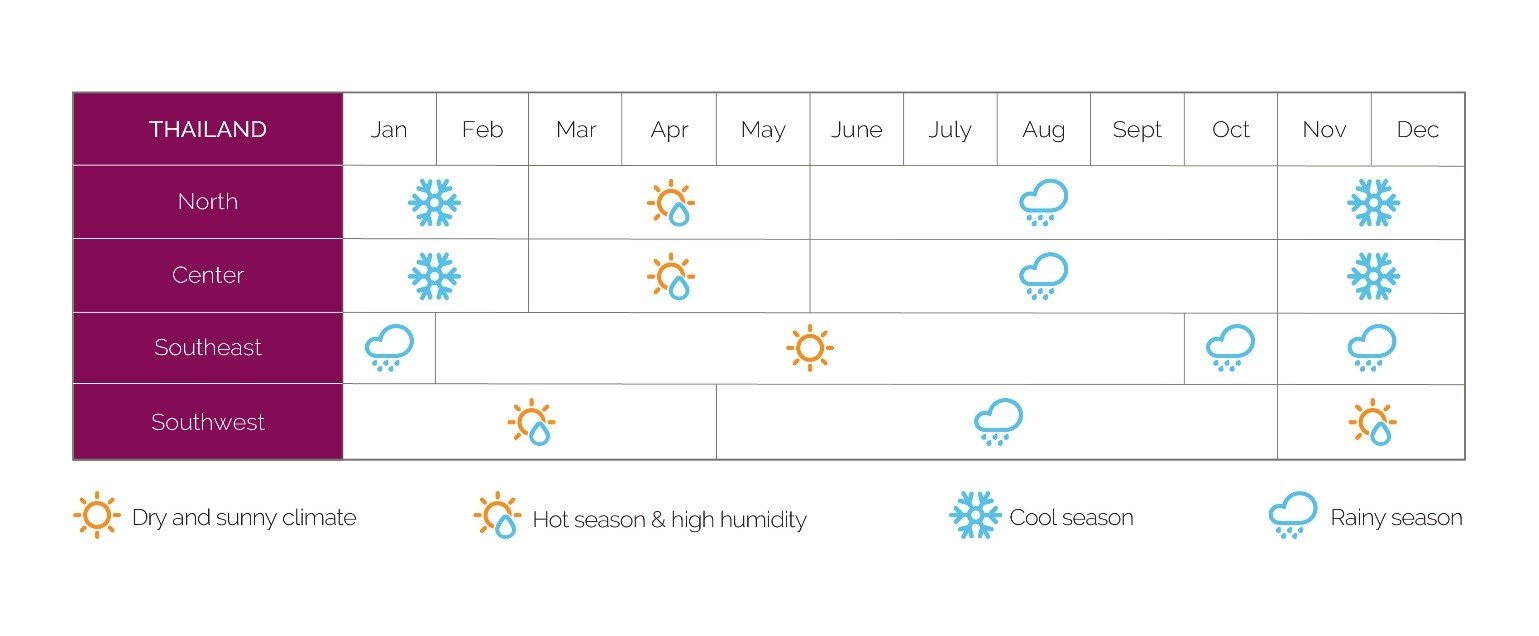
Thailand’s rainy season (Green Season) generally runs from May to October, driven by the southwest monsoon. In much of the country—especially Bangkok, the central plains, and the Andaman Coast—rain often falls as short, intense showers that typically clear quickly, with the wettest stretch commonly building in August–October. Even during these months, many days still have long dry intervals, which is why the Green Season can offer excellent value for Thailand group travel, soft-adventure itineraries, and cultural touring.
Regional differences matter. Along the Gulf of Thailand (including Koh Samui, Koh Phangan, and Koh Tao), the heaviest rainfall usually arrives later—often peaking around October to December—so these islands can be relatively sunnier earlier in the monsoon compared with the Andaman side. In Northern Thailand (e.g., Chiang Mai and surrounding highlands), the rainy season also typically spans May to October, but precipitation is frequently more intermittent, with brief downpours rather than all-day rain—creating lush landscapes that are ideal for nature-focused programs, outdoor learning activities, and scenic overland routes.
Flying into Thailand
Thailand is one of Southeast Asia’s best-connected aviation hubs, served by a wide mix of international carriers linking Europe, the Middle East, Asia-Pacific, and North America to Bangkok and key resort gateways. For school groups, corporate travel, and large tours, we recommend booking early to secure group seat blocks and consistent baggage terms.
The main airports in Thailand are:
Suvarnabhumi Airport, Bangkok (BKK)
- Thailand’s primary international gateway and a major regional hub for long-haul and connecting flights.
- Approximately 30–35 km from central Bangkok; allow ~45–90 minutes by road depending on traffic.
- Fast city access via the Airport Rail Link (ARL), with easy connections to BTS/MRT for onward travel.
Chiang Mai International Airport (CNX)
- Main gateway to Northern Thailand with international and domestic services.
- Approximately 3–5 km from the Old City/Nimman area; allow ~10–25 minutes by road.
Phuket International Airport (HKT)
- Key entry point for Thailand beach holidays, with extensive seasonal and year-round connections.
- Approximately 30–40 km to Phuket Town; allow ~35–60 minutes by road depending on your resort zone and traffic.
Hat Yai International Airport (HDY)
- Strategic gateway in Southern Thailand, popular for regional itineraries and Malaysia-border routes.
- Approximately 12–15 km from Hat Yai city center; allow ~20–30 minutes by road.
Getting to Thailand by land – border crossings
Thailand has multiple international land borders suitable for overland touring. Entry requirements depend on nationality and the border gate, so confirm the correct visa/entry method before departure—especially for group movements.
Thailand - Laos: Huay Xai / Chiang Khong, Vientiane / Nong Khai, Savannakhet / Mukdahan
Thailand - Cambodia: Aranyaprathet / Poipet, Hat Lek / Koh Kong, Chong Jom / O’Smach
Thailand - Malaysia: Sungai Kolok, Betong, Sadao, Padang Besar
Domestic flights
Domestic air routes are frequent and time-saving for multi-stop itineraries connecting Bangkok with Chiang Mai, Phuket, Krabi, Surat Thani, and other key destinations. For large groups, booking early helps secure consistent allocations, seat proximity, and predictable baggage policies.
Getting around Thailand by bus
Thailand’s long-distance bus network is extensive and cost-effective. From Bangkok, routes connect efficiently to popular day-trip and short-break destinations such as Pattaya, Hua Hin, Ayutthaya, Cha-Am, and Kanchanaburi. For schools and company trips, private coaches often provide the best control over timing, safety briefings, and luggage handling.
Trains
Rail travel is a comfortable alternative for selected corridors and a classic way to experience the country’s landscapes. Key lines link Bangkok with the north (Chiang Mai), the northeast (including routes toward the Laos border), and the south (toward Malaysia), with a mix of day services and overnight sleepers.
Popular train routes include:
- Bangkok to Chiang Mai
- Bangkok to Surat Thani (for ferries onward to Koh Samui and nearby islands)
- Bangkok to Ayutthaya
- Bangkok to Kanchanaburi
Selected overnight sleeper services (route-dependent) operate on major corridors such as:
- Bangkok - Chiang Mai
- Bangkok - Ubon Ratchathani
- Bangkok - Nong Khai
- Bangkok - Hat Yai
Getting around Bangkok
BTS Skytrain: Elevated rapid transit serving central districts and many high-demand visitor areas.
MRT Underground: Complements BTS with strong coverage across the inner city and key interchanges.
Airport Rail Link (ARL): Direct rail connection from Suvarnabhumi Airport to the city, linking into BTS/MRT networks.
River & canal boats: Chao Phraya services offer efficient access to riverside landmarks; canal boats can be a fast option to bypass road traffic on certain routes.
Taxis & tuk-tuks: Widely available; taxis should use the meter where possible, while tuk-tuk fares should be agreed before departure.
Taxis & tuk-tuks
For transparent pricing and reliable pickup, travelers may use reputable ride-hailing apps where available. This is especially helpful for groups coordinating multiple vehicles, reducing negotiation time and minimizing pricing misunderstandings.
Buddha images: cultural respect and export rules
In Thailand, Buddha images are treated as sacred—not décor. If you are considering buying a Buddha statue or image, be aware that export controls apply and customs may detain items without the correct documentation. In general, travelers shoulTJNHCAVI3T d avoid purchasing Buddha images as souvenirs unless they are fully confident the item can be exported legally.
- Export permits may be required for Buddha images and related objects of art, issued by the Fine Arts Department.
- Parts/fragments of Buddha images (e.g., heads, hands, feet) can be particularly sensitive and may be prohibited for export.
- If in doubt, choose alternative crafts (textiles, ceramics, lacquerware) to avoid airport complications.
When visiting a temple
- Dress modestly: cover shoulders and knees; bring a light scarf/shawl for easy compliance.
- Shoes off: remove footwear where indicated before entering worship areas.
- Respectful conduct: keep voices low, avoid climbing on religious structures, and do not pose in ways that could be viewed as disrespectful.
- Monks: avoid physical contact. Women should not touch monks; if you need to hand something over, place it down or pass via a companion.
Greeting etiquette (the Thai “wai”)
- The wai is the traditional greeting: palms together near the chest with a slight bow.
- Use it in formal settings or when greeting elders; in casual service situations, a smile and polite nod are usually sufficient.
- Common greetings: women may say “Sawasdee kha”, men may say “Sawasdee khrap”.
Everyday interaction tips
- Keep it calm: Thai culture places value on composure and politeness—raising your voice rarely helps.
- Heads and feet: avoid touching someone’s head; avoid pointing feet at people or religious images, and don’t rest feet on chairs.
- Public affection: keep displays of affection discreet in public spaces.
About the Royal Family
Show respect when speaking about the Royal Family and when handling items bearing royal portraits (including banknotes). Avoid stepping on or defacing anything with royal imagery.
Dining manners
- Fork and spoon are more common than chopsticks (chopsticks are typically used for noodle dishes).
- To get staff attention, use eye contact or a gentle hand raise rather than loud calling or finger snapping.
When invited to someone’s home
- Shoes off at the entrance is a common sign of respect.
- A small gift is appreciated (e.g., fruit, sweets). Avoid gifts that may be culturally awkward for the host.
- Some households avoid stepping on the threshold—follow your host’s lead.
E-cigarettes / vaping
Do not vape in Thailand. E-cigarettes and vaping devices are illegal, and enforcement can include confiscation, fines, and other penalties. To avoid legal risk, do not bring, use, or distribute vaping devices or related products while in Thailand.
Drone regulations in Thailand
Drone rules are strict. In addition to local no-fly zones, camera-equipped drones typically require registration and liability insurance before flying. Registration commonly involves both aviation and telecom approvals.
- Plan ahead: approval timelines and document requirements can be lengthy.
- Typical requirements: drone insurance (English certificate), CAAT registration, and NBTC registration (for radio frequency use).
- Always check current restrictions before each flight, including temporary nationwide bans and local security areas.
National Currency
Thailand’s currency is the Thai Baht (THB). One baht equals 100 satang (satang coins exist, but they are rarely used in everyday transactions). Indicative exchange rate: $1 ≈ 31.07 THB (25 Feb 2026; rates fluctuate and vary by provider and payment method).
ATMs
ATMs are widely available across Thailand, including airports, city centers, and most tourist destinations. Cash withdrawals are dispensed in THB. Many Thai banks apply a local ATM fee for foreign cards (often around a few hundred baht per transaction), and your home bank may also charge foreign transaction/ATM fees. To reduce costs, withdraw larger amounts less frequently (within your comfort and security limits) and always choose to be charged in THB if the ATM offers a conversion option.
Currency Exchange
You can exchange major currencies at licensed banks and authorized money changers in most cities and resort areas. Rates can differ between providers, so it’s worth comparing before exchanging larger sums. For smoother transactions, bring clean, undamaged banknotes, as some exchange counters apply less favorable rates for marked or worn notes.
Credit Cards
Cards are commonly accepted at hotels, larger restaurants, shopping malls, and established tour operators, especially in Bangkok, Chiang Mai, Phuket, and major beach hubs. Smaller shops, local markets, and rural areas remain more cash-based. When paying by card, check whether a service charge or card surcharge applies.
Tips
Tipping in Thailand is optional but appreciated for good service, particularly in tourism settings. In restaurants, many travelers leave small change on casual bills or round up; in higher-end venues, a service charge may already be included, making additional tipping discretionary. For taxis, rounding up the fare is common. For hotel porters/housekeeping and private guides/drivers, modest tips are welcomed—especially for group programs where service teams support logistics throughout the day.
Bargaining
Bargaining is normal in many local markets and with small independent vendors. Keep negotiations friendly and respectful, and avoid haggling in places with clearly marked fixed prices (malls, convenience stores, supermarkets, and most formal retail). A calm approach and a smile usually lead to the best outcome.
Signature Thai dishes travelers often encounter (from street-food staples to restaurant classics):
- Pad Thai (stir-fried rice noodles): Thailand’s best-known noodle dish, typically wok-fried with egg, bean sprouts, and a balanced sauce (tangy, sweet, and savory), then finished with lime and crushed peanuts. Common options include shrimp, chicken, tofu, or mixed seafood.
- Tom Yum Goong (hot & sour prawn soup): A fragrant soup built around lemongrass, galangal, lime leaf, and chili, usually with prawns and mushrooms. Many versions are clear and spicy, while others include a touch of creamy evaporated milk or coconut for a softer heat.
- Khao Soi (Northern coconut curry noodle soup): A Chiang Mai favorite featuring egg noodles in a rich curry broth, often topped with crispy noodles and served with pickled mustard greens and lime. Usually made with chicken or beef, with vegetarian variations in many places.
- Phat Kaphrao (holy basil stir-fry): One of Thailand’s most popular everyday meals: minced meat or seafood stir-fried with garlic, chili, and holy basil, served over rice and commonly topped with a fried egg. Great for quick lunches during busy touring days.
- Gaeng Daeng (Thai red curry): A coconut-based curry colored by red chilies, typically simmered with chicken, beef, shrimp, tofu, or vegetables. Expect a fragrant, mildly sweet heat that pairs well with jasmine rice.
- Som Tam (green papaya salad): A punchy salad from Thailand’s northeast (Isaan), combining lime, chili, fish sauce, and palm sugar with shredded green papaya and tomatoes. Often enjoyed with sticky rice and grilled meats; spice levels can be customized.
- Khao Niao Mamuang (mango sticky rice): A classic dessert of sweet glutinous rice with coconut sauce and ripe mango. It’s especially popular during mango season, but widely available in many tourist areas year-round.
Before traveling to Thailand, travelers should be up to date on routine vaccinations as recommended in their home country (commonly including MMR, diphtheria-tetanus-pertussis, varicella, polio, and an annual influenza shot where appropriate).
Depending on the itinerary, duration, and activities, many travel-health authorities commonly recommend considering Hepatitis A and Typhoid, with Hepatitis B advised for longer stays or higher-risk exposure. Japanese encephalitis may be recommended for travelers spending extended time in rural areas, during the rainy season, or on outdoor-focused programs. A travel clinic consultation 4–8 weeks before departure is ideal, especially for school groups, field trips, and company programs with packed schedules.
Mosquito-borne illnesses can be a risk in Thailand, including dengue (widespread) and malaria (more localized, mainly in certain border and forested areas). Protect yourself with:
- Repellent applied regularly to exposed skin and clothing (products containing DEET or other proven actives can be effective when used as directed).
- Long sleeves and long trousers at dawn/dusk, plus accommodation with screens or air-conditioning when possible.
- Extra caution for outdoor activities, camps, and rural itineraries during the rainy season.
For medications, use licensed pharmacies and hospital pharmacies for the highest reliability. Avoid buying medicines from informal outlets or markets, and do not self-prescribe antibiotics. If you require prescription medication, travel with it in original packaging and keep a copy of the prescription.
>p>Your home embassy or consulate can provide guidance during serious incidents (lost passport, legal issues, hospitalization, family emergencies). If your government offers a traveler registration service, registering before arrival can help officials contact you quickly if an emergency occurs at home or in Thailand.
If you call Thai emergency services, English support may not always be available. When possible, ask a Thai speaker to assist, or contact the Tourist Police for language support and coordination.
- Police / Emergency (Royal Thai Police): 191
- Tourist Police (24/7 assistance): 1155
- Ambulance / Medical Emergency (EMS): 1669
- Fire Brigade: 199
- Highway Police: 1193
- Tourism Authority of Thailand (tourist information): 1672
- Police General Hospital (Bangkok): +66 2 207 6000
Bangkok
BNH Hospital
Telephone: +66 2 022 0700
Address: 9/1 Convent Road, Silom, Bang Rak, Bangkok 10500, Thailand
Bumrungrad International Hospital
Telephone: +66 2 066 8888
Address: 33 Soi Sukhumvit 3, Khlong Toei Nuea, Watthana, Bangkok 10110, Thailand
Chiang Mai
Bangkok Hospital Chiang Mai
Telephone: +66 52 089 888
Address: 88/8-9 Moo 6, Nong Pa Khrang, Mueang Chiang Mai, Chiang Mai 50000, Thailand
Pre-departure tasks
Before traveling to Thailand, ensure your passport is valid for at least 6 months beyond your arrival date and has at least one blank page for entry stamps. Confirm your entry requirements (visa exemption / e-Visa / visa on arrival where applicable) and complete the Thailand Digital Arrival Card (TDAC) within the required timeframe prior to arrival. We also recommend comprehensive travel insurance (medical, trip disruption, and baggage) and a pre-travel health consultation if you have existing conditions or are traveling with students or large groups.
Clothes & essentials
- Lightweight, quick-dry clothing: breathable fabrics suit Thailand’s heat and humidity.
- Sun protection: wide-brim hat, sunglasses, and long sleeves for outdoor days.
- Temple-ready outfit: carry at least one set that covers shoulders and knees (useful across Bangkok and provincial temples).
- Evenings & air-conditioning: a light layer (cardigan/jacket) for cool nights and cold indoor venues.
- Rain readiness (May–Oct): compact rain jacket or poncho; a dry bag for electronics on boat days.
- Footwear: comfortable walking shoes for city touring; sandals for beach areas; supportive shoes for hikes.
- Swimwear: modest swimwear is recommended for public beaches and family-friendly areas.
- Smart-casual outfit: useful for restaurants, events, and group dinners.
Pharmacy & first-aid kit
- Insect repellent and bite-relief cream (important year-round; especially during the rainy season).
- Hand hygiene: alcohol-based sanitizer and antiseptic wipes.
- Basic first-aid: plasters, blister care, bandage, antiseptic, and any personal items in travel-size containers.
- Pain/fever relief: paracetamol/acetaminophen is a common choice; use other medicines only as directed by a clinician.
- Allergy/cold basics: antihistamines, lozenges, cough relief as needed.
- Sunscreen: sweat-resistant SPF 30+ and lip balm with SPF.
- Digestive support: oral rehydration salts; anti-diarrheal medication for emergencies (use per medical advice).
- Prescription medicines: bring sufficient supply in original packaging with a copy of the prescription.
- Antibiotics: bring only if specifically prescribed for your trip by a clinician; avoid self-prescribing.
Documents & payments
- Digital + printed copies: passport ID page, insurance certificate, flight itinerary, hotel confirmations, and TDAC QR code (keep backups in email/cloud).
- Passport photos: useful for certain visa processes and visa-on-arrival cases (check current photo size requirements if needed).
- Cash on arrival: carry a reasonable amount of Thai baht (THB) for incidentals and potential on-arrival fees where applicable (some immigration processes require cash payment in THB).
- Emergency contacts: save your Travel Consultant and 24/7 hotline numbers on your phone and in a paper copy.
Why Partner with Asia Travel & Leisure
Local offices across 6 cities
Strategically located offices in major cities, ensuring reliable and efficient service in each destination.
Multilingual team
A dedicated team fluent in multiple languages, offering seamless communication for diverse international clients.
Risk management & 24/7 support
Comprehensive risk management strategies with 24/7 support, ensuring a safe and worry-free travel experience.
Long-term supplier relationships
Strong, trusted relationships with local suppliers, ensuring quality services and unique experiences.
Sustainable & responsible travel commitment
Committed to sustainable tourism practices, ensuring responsible and eco-friendly travel experiences.



















Welcome to Asia Travel & Leisure, your premier Southeast Asia DMC specializing in authentic B2B travel experiences across Vietnam, Laos, Cambodia, Myanmar, and Thailand.


