

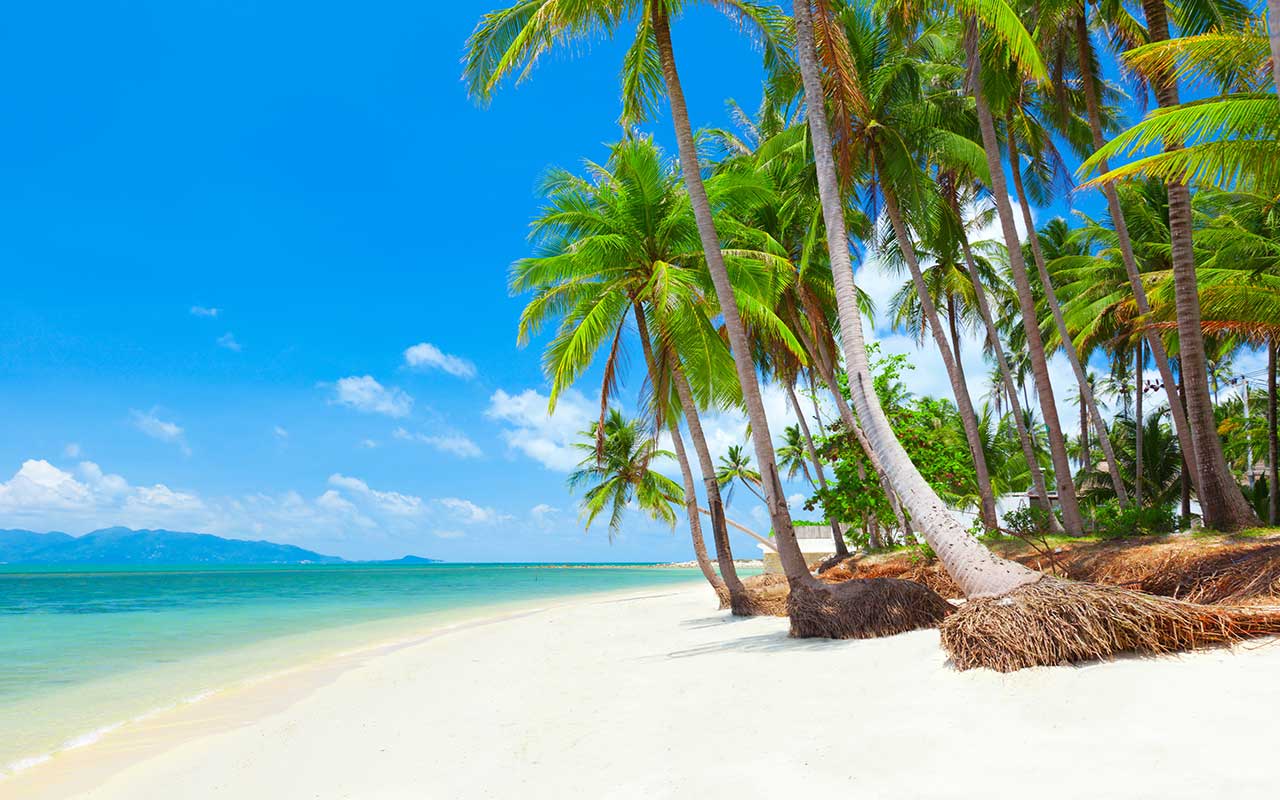
Thailand, with its stunning beaches, rich cultural heritage, and vibrant festivals, is a dream destination for travelers. But when is the best time to visit this tropical paradise? In this guide, we’ll explore the weather patterns, major festivals, and activities that make each season unique, helping you plan the perfect Thai getaway. Whether you’re looking for sunny beaches, bustling markets, or tranquil temples, our expert advice will ensure you make the most of your trip to Thailand.
Understanding Thailand’s Climate
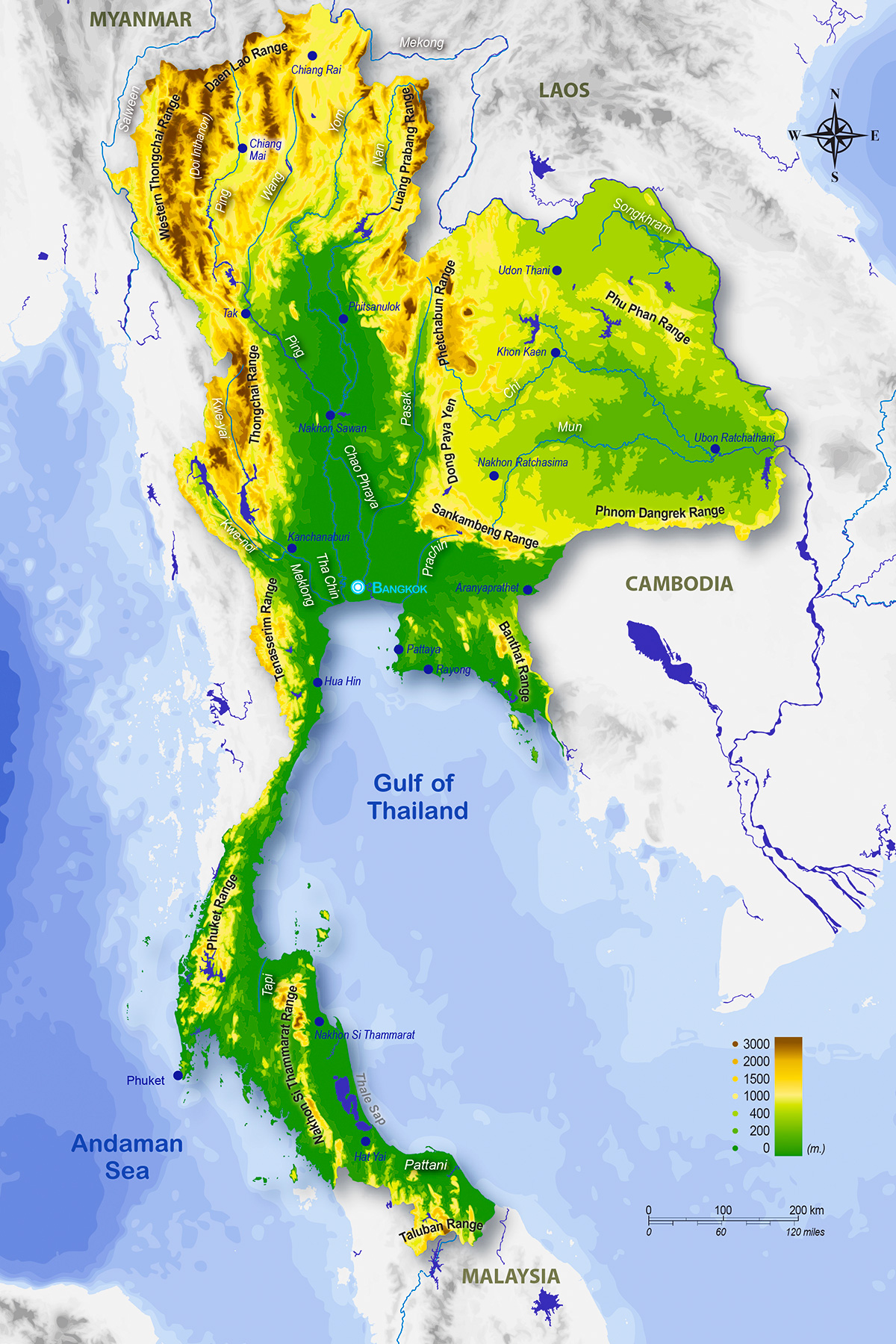
Thailand’s climate is predominantly tropical, characterized by three main seasons: the hot season, the rainy season, and the cool season. However, the exact timing and intensity of these seasons can vary significantly across different regions of the country. Understanding these climatic patterns is crucial for planning your trip to Thailand to ensure you experience the best weather for your preferred activities and destinations.
The Hot Season (March to June)

The hot season in Thailand, typically from March to June, is marked by high temperatures and humidity levels. Daytime temperatures can soar above 35°C (95°F), especially in the central and northern regions. While the heat can be intense, this is also a great time to enjoy Thailand’s beaches and islands.
- Best For: Beach holidays, water activities, and island hopping.
- Popular Destinations: Phuket, Krabi, Koh Samui, and Pattaya.
The Rainy Season (June to October)
The rainy season, from June to October, is influenced by the southwest monsoon, bringing heavy rainfall and high humidity across most parts of Thailand. While this period sees frequent showers, they are often brief and can provide a refreshing break from the heat. The rainy season can vary slightly depending on the region, with the southern and eastern parts experiencing different rainfall patterns.
- Best For: Experiencing lush landscapes, fewer tourists, and lower prices.
- Popular Destinations: Chiang Mai, Chiang Rai, and the northeastern provinces.
The Cool Season (November to February)
The cool season, from November to February, is considered the best time to visit Thailand. The weather is generally dry and pleasant, with temperatures ranging from 20°C to 30°C (68°F to 86°F). This season offers the most comfortable climate for outdoor activities and exploring the country’s cultural and natural attractions.
- Best For: Sightseeing, trekking, and cultural festivals.
- Popular Destinations: Bangkok, Chiang Mai, Ayutthaya, and Sukhothai.
Regional Climate Variations
Northern Thailand
Northern Thailand, including cities like Chiang Mai and Chiang Rai, experiences cooler temperatures during the cool season and can be quite hot in the hot season. The rainy season here tends to bring heavy but short-lived showers, making the landscape lush and green.
- Best Time to Visit: November to February for cool weather and cultural festivals.
Southern Thailand
Southern Thailand is divided into two coasts: the west coast along the Andaman Sea and the east coast along the Gulf of Thailand. Each coast has slightly different rainy seasons due to the monsoon patterns.
- West Coast (Phuket, Krabi): Best visited from November to March to avoid the monsoon.
- East Coast (Koh Samui, Koh Phangan): Best visited from December to March.
Tips for Travelers
- Pack Accordingly: Light, breathable clothing for the hot and rainy seasons, and a light jacket for the cooler evenings during the cool season.
- Plan for Rain: If visiting during the rainy season, be prepared for sudden downpours and consider waterproof gear.
- Stay Hydrated: The hot season can be particularly dehydrating, so drink plenty of water and use sunscreen.
By understanding the climate patterns in Thailand, you can better plan your itinerary to make the most of your visit, whether you’re looking to relax on a sunny beach, explore cultural sites, or enjoy Thailand’s vibrant festivals.
So, when planning your trip, it’s crucial to consider Thailand’s seasonal variations to ensure you have the best experience possible.
The ideal time to visit Thailand is typically between November and April, when the weather is cool and dry. This period is perfect for exploring the country, lounging on beautiful beaches, and engaging in outdoor activities. However, keep in mind that this is also the peak tourist season, which means higher prices and larger crowds.
If you’re looking to save money and avoid the throngs of tourists, consider visiting during the monsoon season from May to October. Although you might encounter frequent rain showers, this season offers substantial discounts on accommodation and flights.
For beach enthusiasts, the west coast (including Phuket and Krabi) is best visited from November to March. Meanwhile, the east coast (including Koh Samui) shines from January to March and again from July to September.
Best Time to Visit Northern Thailand
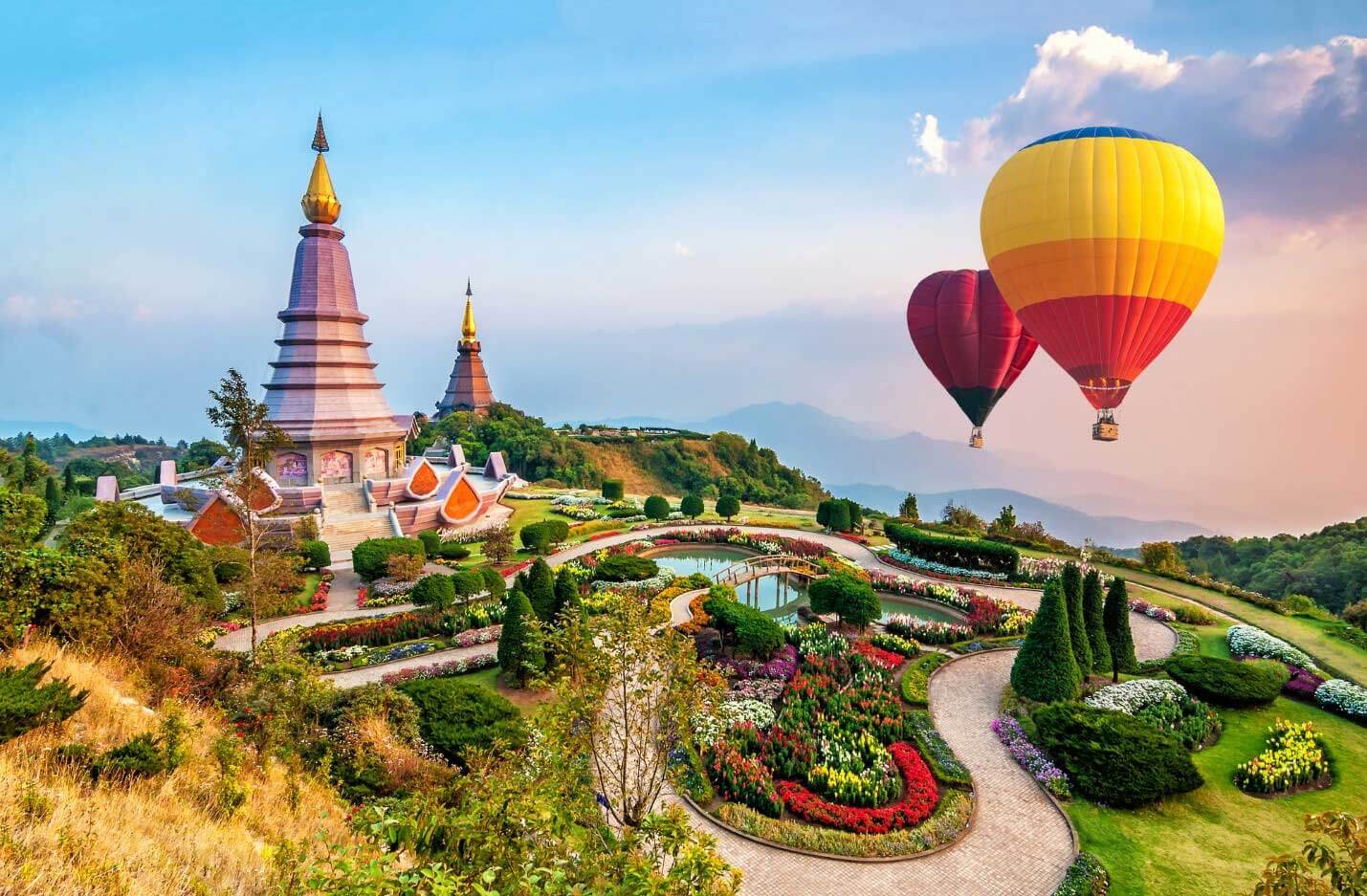 Northern Thailand, with its mountainous terrain, rich cultural heritage, and cooler climate, offers a different experience compared to the country’s southern regions. This area includes popular destinations such as Chiang Mai, Chiang Rai, Pai, and Mae Hong Son. The best time to visit Northern Thailand largely depends on what you want to experience, but the cool season is generally the most favorable.
Cool Season (November to February)
The cool season is the most popular time to visit Northern Thailand. The weather is dry and pleasantly cool, especially in the mountains. Daytime temperatures range from 15°C to 28°C (59°F to 82°F), while nighttime temperatures can drop significantly, sometimes below 10°C (50°F) in higher altitudes. This season is perfect for outdoor activities, exploring temples, and enjoying cultural festivals.
- Best For: Sightseeing, trekking, visiting temples, and attending festivals like Loy Krathong and Yi Peng.
- Popular destinations: Chiang Mai, Chiang Rai, Pai, and Mae Hong Son.
Hot Season (March to May)
During the hot season, Northern Thailand experiences high temperatures, often exceeding 35°C (95°F) during the day. The heat can be intense, but it is also a time when fewer tourists visit, allowing for a more relaxed and less crowded experience. However, air quality can be an issue in March and April due to the burning of agricultural fields, a practice known as “slash and burn.”
- Best For: Avoiding crowds and taking advantage of off-season rates.
- Popular destinations: Chiang Mai, Chiang Rai, and Pai, with a focus on indoor activities and evening outings.
Rainy Season (June to October)
The rainy season brings lush, green landscapes and fewer tourists. Rainfall can be heavy but typically occurs in short bursts, often in the late afternoon or evening. This season is ideal for those who enjoy a more tranquil experience and are interested in the natural beauty of the region. The rains rejuvenate the waterfalls and rivers, making it a great time for nature enthusiasts.
- Best For: Experiencing lush greenery, visiting waterfalls, and enjoying a quieter travel experience.
- Popular destinations: Chiang Mai, Chiang Rai, and Mae Hong Son, with a focus on nature-based activities.
Highlights of Visiting Northern Thailand
- Cultural Festivals: The cool season is the best time to experience Northern Thailand’s vibrant festivals, such as Loy Krathong and Yi Peng in November, where thousands of lanterns are released into the sky.
- Trekking and Outdoor Activities: The cooler weather during the cool season makes it ideal for trekking in the mountains, visiting national parks, and exploring rural villages.
- Temples and Historical Sites: The region is home to some of Thailand’s most famous temples, including Wat Phra That Doi Suthep in Chiang Mai and the White Temple in Chiang Rai.
- Natural Beauty: During the rainy season, the region’s natural beauty is at its peak, with verdant landscapes, flowing rivers, and impressive waterfalls.
Travel Tips
- Dress in Layers: The cool season can have significant temperature variations between day and night, so pack layers to stay comfortable.
- Be Prepared for Rain: If visiting during the rainy season, pack waterproof clothing and gear to stay dry during sudden downpours.
By understanding the seasonal variations and highlights of Northern Thailand, you can plan your visit to maximize your enjoyment and experience the best that this culturally rich and naturally beautiful region has to offer.
Best Time to Visit Southern Thailand
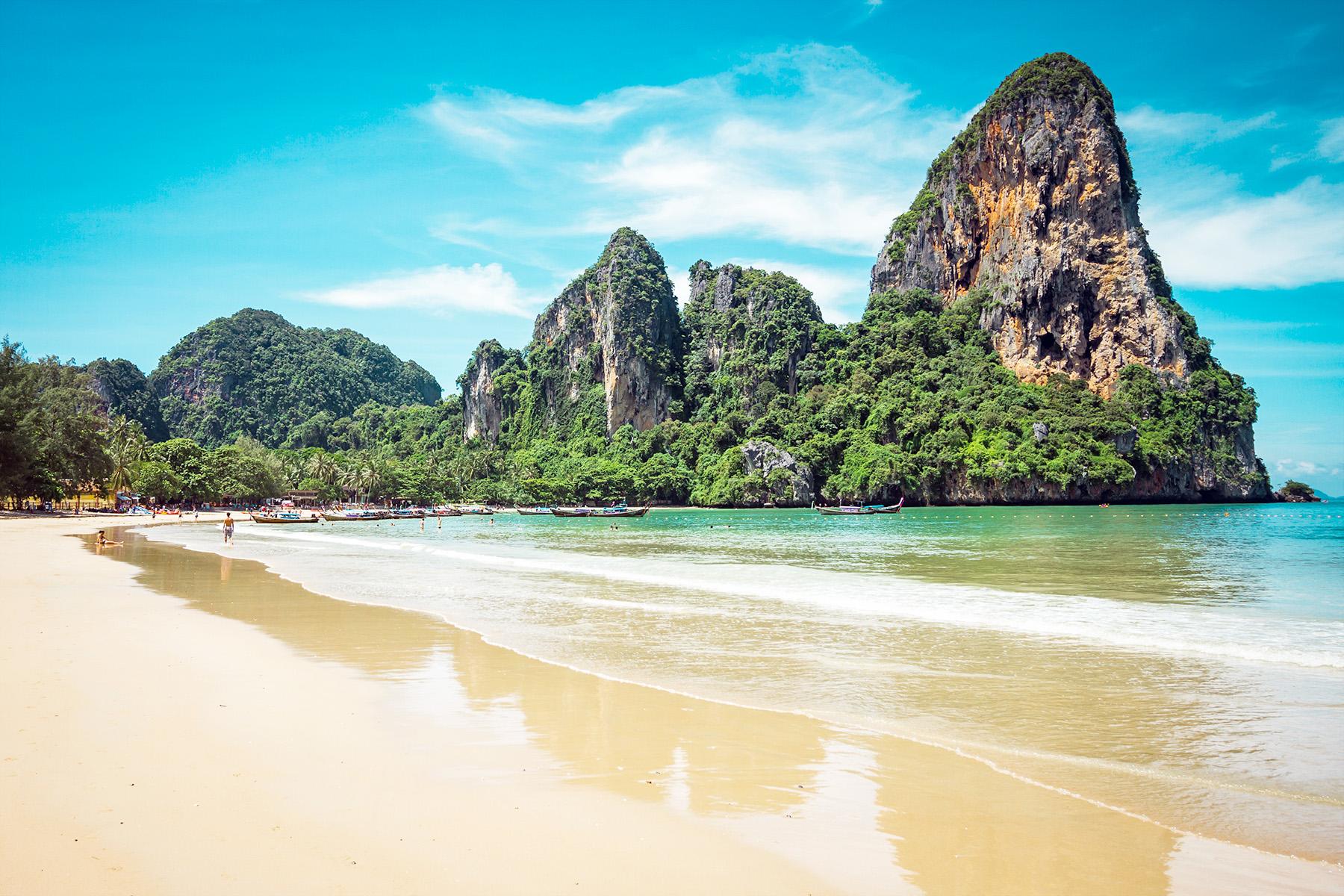
Southern Thailand, known for its stunning beaches, crystal-clear waters, and vibrant marine life, is a favorite destination for beach lovers and adventure seekers. The region includes popular destinations such as Phuket, Krabi, Koh Samui, Koh Phangan, and Koh Tao. Due to its geographical location, Southern Thailand experiences different weather patterns on its east and west coasts, making it important to choose the right time to visit based on your preferred activities and destinations.
Best Time to Visit the West Coast (Phuket, Krabi, Phi Phi Islands)
The west coast of Southern Thailand, which faces the Andaman Sea, has its best weather conditions during the cool and dry season, from November to March. During this period, the weather is sunny, the seas are calm, and the humidity is lower, making it ideal for beach activities and water sports.
- Best For: Beach holidays, snorkeling, diving, and island hopping.
- Popular Destinations: Phuket, Krabi, Phi Phi Islands, and Similan Islands.
Weather Highlights:
- November to March: Dry and sunny, with temperatures ranging from 24°C to 32°C (75°F to 90°F). Ideal for all beach activities.
- April to May: Transition period with increasing heat and humidity. Still good for beach activities but can be quite hot.
- June to October: Monsoon season with heavy rainfall, rough seas, and higher humidity. Many beach resorts and dive shops may close.
Best Time to Visit the East Coast (Koh Samui, Koh Phangan, Koh Tao)
The east coast, which faces the Gulf of Thailand, has a slightly different weather pattern. The best time to visit this region is from December to April, when the weather is dry and sunny. This period is perfect for enjoying the beaches, exploring the islands, and participating in water sports.
- Best For: Beach holidays, Full Moon Party, diving, and snorkeling.
- Popular Destinations: Koh Samui, Koh Phangan, and Koh Tao.
Weather Highlights:
- December to April: Dry and sunny, with temperatures ranging from 25°C to 32°C (77°F to 90°F). Ideal for beach activities and island exploration.
- May to September: Transition period with occasional rain showers but generally good weather. Can be a good time to visit with fewer tourists.
- October to November: Monsoon season with heavy rainfall and rough seas. Not ideal for beach activities or water sports.
Highlights of Visiting Southern Thailand
- Beaches and Islands: Southern Thailand is renowned for its beautiful beaches and islands. From the iconic Maya Bay in the Phi Phi Islands to the tranquil beaches of Koh Lanta, there’s something for every beach lover.
- Water Sports: Both coasts offer excellent opportunities for snorkeling, diving, and other water sports. The Similan Islands on the west coast and Koh Tao on the east coast are particularly famous for diving.
- Cultural and Natural Attractions: Beyond the beaches, Southern Thailand has national parks, waterfalls, and cultural sites like the Big Buddha in Phuket and the temples of Nakhon Si Thammarat.
Travel Tips
- Plan for Crowds: The peak season (November to March on the west coast, December to April on the east coast) attracts many tourists, so book accommodations and tours in advance.
- Stay Hydrated and Sun-Safe: The tropical sun can be intense, so drink plenty of water and use sunscreen.
- Check Weather Forecasts: If traveling during the transition or monsoon periods, keep an eye on weather forecasts and be flexible with your plans.
Best Time for Beach Holidays in Thailand
Thailand’s pristine beaches and clear waters make it a premier destination for beach holidays. The best time to visit Thailand’s beaches depends on the region, as the climate varies between the east and west coasts.
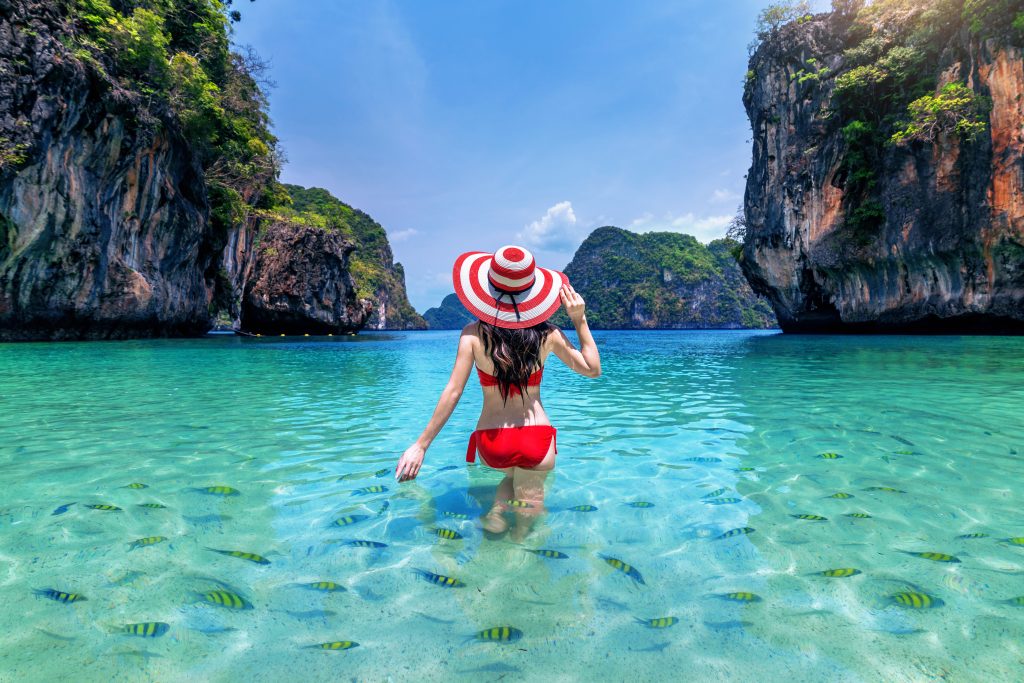
West Coast (Phuket, Krabi, Phi Phi Islands)
- Best Time to Visit: November to March
- Weather: Dry and sunny with temperatures ranging from 24°C to 32°C (75°F to 90°F).
- Highlights: Ideal conditions for beach activities, snorkeling, diving, and island hopping. Popular destinations include Phuket, Krabi, and the Phi Phi Islands.
East Coast (Koh Samui, Koh Phangan, Koh Tao)
- Best Time to Visit: December to April
- Weather: Dry and sunny with temperatures ranging from 25°C to 32°C (77°F to 90°F).
- Highlights: Perfect for beach activities, diving, and the famous Full Moon Party on Koh Phangan. Koh Samui and Koh Tao are also popular for their beautiful beaches and vibrant nightlife.
Seasonal Considerations
- Hot Season (March to May): High temperatures and humidity. While it can be quite hot, this is still a good time to visit the beaches if you can handle the heat.
- Rainy Season (June to October on the west coast, October to December on the east coast): This period sees frequent rain showers and rough seas. However, the landscape is lush, and there are fewer tourists, making it a good time for those seeking tranquility and lower prices.
Travel Tips
- Book Early for Peak Season: During the peak season (November to March on the west coast, December to April on the east coast), accommodations and tours can fill up quickly, so it’s advisable to book in advance.
- Stay Hydrated and Sun-Protected: The tropical sun can be intense, so make sure to drink plenty of water and use sunscreen.
- Check Weather Forecasts: If traveling during the transition or monsoon periods, keep an eye on weather forecasts and be flexible with your plans.
Thailand Tourist Seasons
Thailand’s diverse climate and numerous attractions make it a year-round destination. However, understanding the peak and off-peak tourist seasons can help you plan your trip to maximize your enjoyment and budget. Here’s a breakdown of Thailand’s tourist seasons:
Thailand’s Peak Tourist Seasons
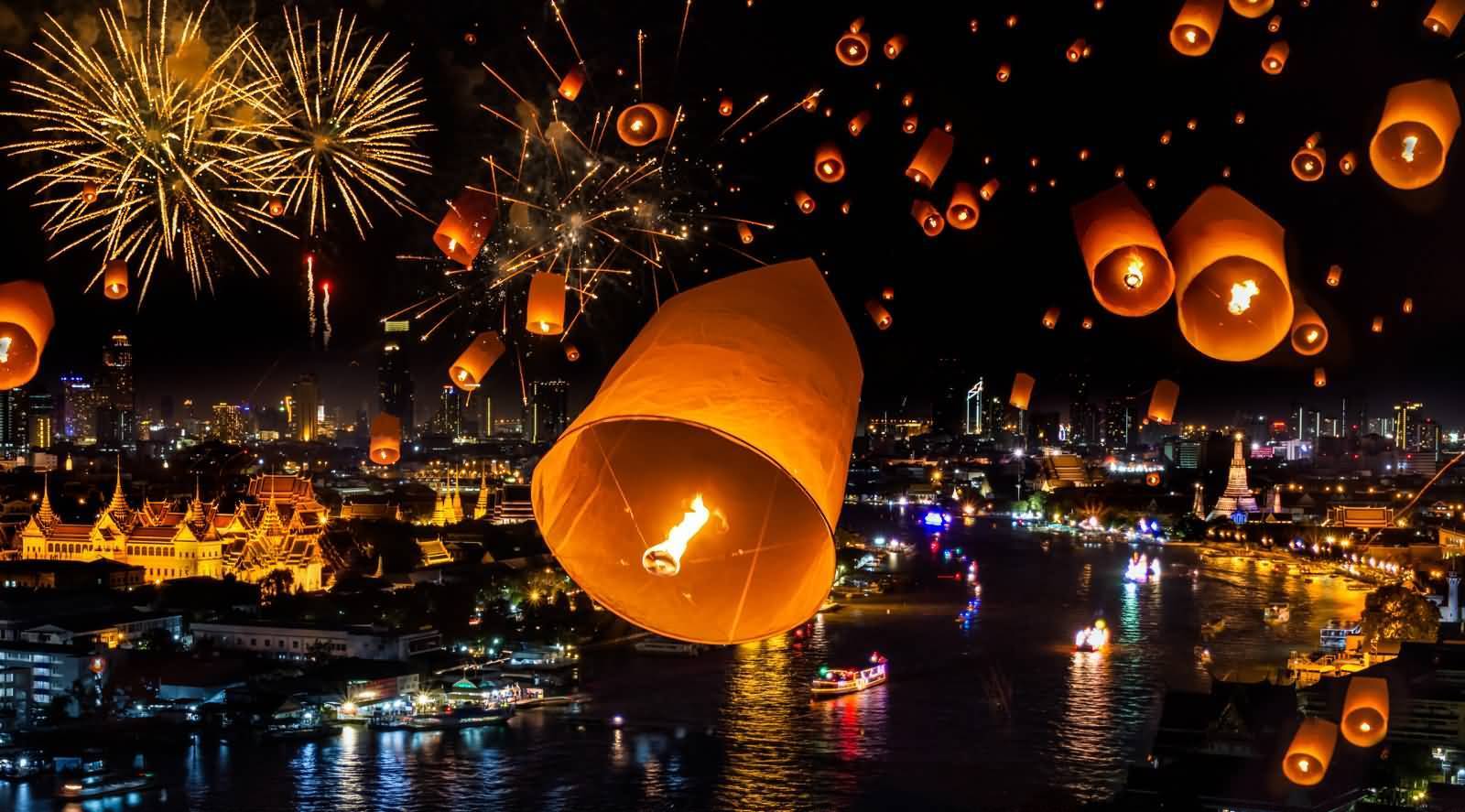
The cool season is the most popular time to visit Thailand, attracting a large number of tourists due to its pleasant weather and numerous festivals. This period is characterized by cooler temperatures, lower humidity, and minimal rainfall, making it ideal for sightseeing, beach activities, and outdoor adventures.
- Weather: Dry and cool, with temperatures ranging from 20°C to 30°C (68°F to 86°F).
- Activities: Beach holidays, cultural tours, trekking, and attending festivals such as Loy Krathong and Yi Peng.
- Popular Destinations: Bangkok, Chiang Mai, Phuket, Krabi, Koh Samui, and Pattaya.
Key Festivals and Events:
- Loy Krathong: Celebrated nationwide, this festival involves floating lanterns on water and is best experienced in Chiang Mai and Sukhothai.
- Yi Peng: Coinciding with Loy Krathong, this festival in Chiang Mai features the release of thousands of sky lanterns.
Pros:
- Ideal weather for outdoor activities and sightseeing.
- Numerous cultural events and festivals.
- Vibrant nightlife and bustling markets.
Cons:
- High accommodation and travel costs.
- Crowded tourist spots and beaches.
- Need to book accommodations and tours in advance.
Off-Peak Seasons in Thailand
The hot season sees fewer tourists due to the high temperatures and humidity. However, this can be a great time to visit if you can handle the heat, as there are fewer crowds and lower prices.
- Weather: Hot and humid, with temperatures often exceeding 35°C (95°F).
- Activities: Beach holidays, water sports, and indoor attractions like museums and shopping malls.
- Popular Destinations: Coastal areas like Phuket and Koh Samui for beach activities.
Pros:
- Fewer tourists and less crowded attractions.
- Lower prices for accommodations and tours.
- Opportunities to enjoy indoor activities and water sports.
Cons:
- High temperatures and humidity can be uncomfortable.
- Limited outdoor activities due to the heat.
- Possible haze and poor air quality in some regions.
Rainy Season (June to October)
The rainy season, characterized by heavy rainfall and high humidity, is the least popular time to visit Thailand. However, it offers a unique experience with lush landscapes, fewer tourists, and significant cost savings.
- Weather: Frequent rain showers, with high humidity and temperatures around 25°C to 30°C (77°F to 86°F).
- Activities: Enjoying the green scenery, visiting waterfalls, and experiencing local life without the tourist crowds.
- Popular Destinations: Northern Thailand (Chiang Mai and Chiang Rai) and less-visited islands.
Pros:
- Significantly lower prices for accommodations and tours.
- Fewer tourists and a more peaceful experience.
- Lush, green landscapes and rejuvenated natural attractions.
Cons:
- Heavy rain can disrupt travel plans and outdoor activities.
- Some islands and beach resorts may be closed.
- Higher risk of flooding in certain areas.
Special Considerations:
- Monsoon Variations: The timing and intensity of the monsoon season can vary across different regions of Thailand. The west coast (Phuket and Krabi) experiences monsoon from May to October, while the east coast (Koh Samui) sees monsoon from October to December.
- Travel Flexibility: If visiting during the rainy season, be prepared for sudden weather changes and have flexible travel plans.
Whether you want to experience the vibrant festivals and perfect weather of the cool season or take advantage of the lower prices and tranquility of the off-peak seasons, Thailand offers something for every traveler.
Thailand’s Festivals and Events
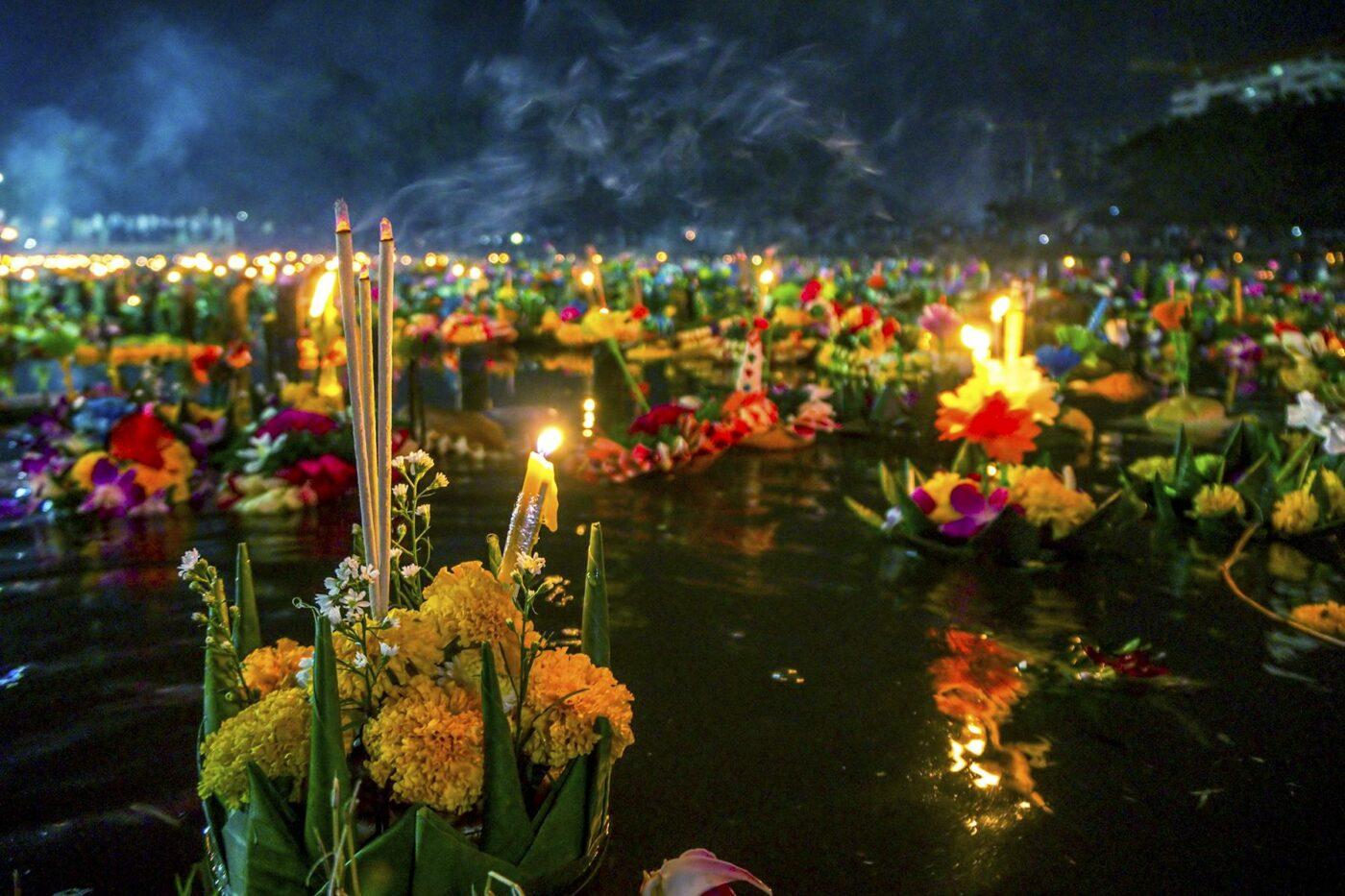
Thailand is renowned for its vibrant festivals and events, which reflect the country’s rich cultural heritage and traditions. These celebrations occur throughout the year, offering travelers unique opportunities to experience Thai culture firsthand. Here are some of the most significant festivals and events in Thailand:
Loy Krathong (Festival of Lights)
- When: November
- Where: Nationwide, with major celebrations in Chiang Mai, Sukhothai, and Bangkok.
- Highlight: Participants float decorated baskets (krathongs) on rivers and lakes to honor the goddess of water, creating a stunning visual spectacle.
Yi Peng (Lantern Festival)
- When: November, coinciding with Loy Krathong
- Where: Chiang Mai
- Highlight: Thousands of lanterns are released into the sky, symbolizing the release of worries and misfortunes.
Songkran (Thai New Year)
- When: April 13-15
- Where: Nationwide, with major celebrations in Bangkok, Chiang Mai, and Pattaya.
- Highlight: A massive water festival where people splash water on each other to wash away the previous year’s misfortunes.
Phuket Vegetarian Festival
- When: Late September to early October
- Where: Phuket
- Highlight: A nine-day Taoist celebration featuring processions, firewalking, and acts of self-mortification performed by devotees.
King’s Birthday
- When: December 5
- Where: Nationwide
- Highlight: Parades, fireworks, and ceremonies honoring the late King Bhumibol Adulyadej, a revered figure in Thai history.
Full Moon Party
- When: Monthly, on the night of the full moon
- Where: Haad Rin Beach, Koh Phangan
- Highlight: A world-famous beach party attracting thousands of revelers from around the globe for a night of music, dancing, and festivities.
Chinese New Year
- When: January or February
- Where: Predominantly in Chinese communities like Bangkok’s Chinatown (Yaowarat)
- Highlight: Dragon parades, lion dances, and firecrackers mark the celebration of the lunar new year.
Worst Time to Travel to Thailand
While Thailand is a year-round destination, there are certain times when the weather can be less than ideal, particularly during the monsoon season. The monsoon period, characterized by heavy rainfall and high humidity, varies across different regions of Thailand.
- Northern Thailand: May to October
- Southern Thailand (West Coast): May to October
- Southern Thailand (East Coast): October to December
During these months, you may encounter frequent rain showers, which can disrupt travel plans and outdoor activities. It’s also worth noting that some islands and beaches may close due to dangerous weather conditions.
Places and Months to Avoid:
- Bangkok: September to October (heavy rains and flooding)
- Phuket: May to October (monsoon season)
- Koh Samui: October to December (heavy rains)
- Chiang Mai: August to October (rainy season)
- Pattaya: September to October (rainy season)
Thailand, with its diverse climate and rich cultural heritage, offers a unique travel experience no matter when you choose to visit. Understanding the seasonal variations and their impact on different regions can help you plan the perfect trip tailored to your interests and activities. Whether you seek the bustling energy of Thai festivals, the serene beauty of its beaches, or the lush landscapes of the rainy season, there is an ideal time to visit for every traveler.
The cool season from November to February is the most popular, with its pleasant weather and vibrant festivals like Loy Krathong and Yi Peng. The hot season from March to June, despite its high temperatures, offers a quieter experience and off-peak rates. The rainy season from June to October, while less predictable, brings lush scenery and fewer tourists, making it a great time for those seeking tranquility.
By considering the best times to visit specific regions—such as the west coast beaches during the cool season and the east coast islands from December to April—you can optimize your itinerary for an unforgettable Thai adventure. Embrace the magic of Thailand’s culture, natural beauty, and warm hospitality, and let this seasonal guide help you make the most of your journey to the Land of Smiles.
Frequently Asked Questions
-
What are the best places to visit in Thailand for families?
Thailand is a fantastic destination for families, offering a mix of cultural experiences, natural beauty, and fun activities suitable for all ages. Here are some of the best places to visit in Thailand for families:- Bangkok
- Grand Palace and Wat Phra Kaew: Explore the stunning architecture and learn about Thai history and culture.
- Siam Ocean World: An impressive aquarium located in the Siam Paragon mall, perfect for a day of fun.
- Lumphini Park: A great place for kids to run around and for families to enjoy a relaxing afternoon.
- Chiang Mai
- Elephant Nature Park: An ethical elephant sanctuary where families can learn about and interact with elephants in a humane environment.
- Doi Suthep: A beautiful mountain with a famous temple offering panoramic views of Chiang Mai.
- Night Safari: A thrilling experience where you can see nocturnal animals up close.
- Phuket
- Phang Nga Bay: Take a boat tour to see the iconic limestone cliffs and caves, perfect for adventure-loving families.
- Splash Jungle Water Park: A fun-filled water park with slides, a lazy river, and a wave pool.
- Phuket Aquarium: Discover marine life and enjoy interactive exhibits suitable for children.
- Krabi
- Railay Beach: Known for its stunning limestone cliffs and clear waters, great for beach activities and rock climbing.
- Emerald Pool (Sa Morakot): A natural crystal-clear pool in the middle of the forest, ideal for a refreshing swim.
- Thung Teao Forest Natural Park: Offers beautiful trails and the chance to explore Thailand’s natural beauty.
- Hua Hin
- Hua Hin Beach: A family-friendly beach with shallow waters, perfect for young children.
- Vana Nava Water Jungle: A modern water park with various slides and attractions for all ages.
- Hua Hin Night Market: Enjoy shopping and trying local foods in a lively atmosphere.
- Koh Samui
- Ang Thong National Marine Park: Take a boat trip to explore the stunning islands, beaches, and lagoons.
- Samui Aquarium and Tiger Zoo: Features marine life, tigers, and birds, offering a fun and educational experience.
- Bophut Fisherman's Village: A charming area with shops, restaurants, and a relaxed vibe perfect for families.
- Ayutthaya
- Ayutthaya Historical Park: Explore ancient ruins and temples, providing a glimpse into Thailand’s rich history.
- Chao Sam Phraya National Museum: Learn about the artifacts and history of the Ayutthaya Kingdom.
- Elephant Stay: An opportunity to learn about and interact with elephants in a responsible setting.
- Kanchanaburi
- Erawan National Park: Famous for its multi-tiered waterfalls and beautiful hiking trails.
- Death Railway and Bridge over the River Kwai: Historical sites that offer both educational and emotional experiences.
- Hellfire Pass Memorial Museum: Learn about the history of the Thailand-Burma Railway during World War II.
- Bangkok
-
Which are the top historical sites in Thailand?
Thailand is rich in historical sites that offer a glimpse into its rich cultural and architectural heritage. Here are some of the top historical sites in Thailand:- Ayutthaya Historical Park: Located in the ancient city of Ayutthaya, this UNESCO World Heritage Site features numerous impressive ruins of temples, palaces, and statues from the Ayutthaya Kingdom (1350-1767).
- Sukhothai Historical Park: Another UNESCO World Heritage Site, Sukhothai was the first capital of Thailand. The park contains well-preserved ruins of temples and monuments from the Sukhothai Kingdom (1238-1438).
- Wat Phra Kaew and the Grand Palace: Situated in Bangkok, Wat Phra Kaew (Temple of the Emerald Buddha) is the most sacred Buddhist temple in Thailand. The adjacent Grand Palace has been the official residence of the Kings of Siam since 1782.
- Wat Arun (Temple of Dawn): Located on the Thonburi side of the Chao Phraya River in Bangkok, this iconic temple is known for its stunning architecture and riverside location.
- Wat Pho (Temple of the Reclining Buddha): Also in Bangkok, Wat Pho is famous for the giant reclining Buddha statue and is a center for traditional Thai massage.
- Phimai Historical Park: Located in Nakhon Ratchasima Province, Phimai is one of the largest Khmer temples in Thailand and is similar in style to Angkor Wat in Cambodia.
- Wat Phra That Doi Suthep: A major pilgrimage site located on Doi Suthep mountain near Chiang Mai, this temple offers stunning views of the city and houses a sacred relic of the Buddha.
- Ban Chiang Archaeological Site: A UNESCO World Heritage Site in Udon Thani Province, Ban Chiang is known for its prehistoric artifacts, including pottery and bronze tools, dating back over 5,000 years.
- Wat Phra That Lampang Luang: Located in Lampang Province, this Lanna-style temple is one of the best-preserved wooden temples in Thailand and is an important religious site.
- Erawan Shrine: Situated in the heart of Bangkok, this popular Hindu shrine is dedicated to Phra Phrom, the Thai representation of the Hindu god Brahma.
-
What are the best places to visit in Thailand for seniors?
Thailand offers a variety of destinations that are perfect for seniors, combining relaxation, cultural experiences, and natural beauty. Here are some of the best places to visit:- Bangkok Grand Palace and Wat Phra Kaew: Visit the iconic Grand Palace and the Temple of the Emerald Buddha. Chao Phraya River Cruise: Enjoy a leisurely cruise along the river, taking in the sights of the city. Chatuchak Weekend Market: A great place to explore and shop, with plenty of places to sit and rest.
- Chiang Mai Old City Temples: Explore the historic temples such as Wat Phra Singh and Wat Chedi Luang. Elephant Nature Park: Visit this ethical sanctuary to observe and learn about elephants in a natural environment. Sunday Walking Street: A lively market offering local crafts, food, and entertainment.
- Hua Hin Beaches: Relax on the beautiful, quiet beaches. Cicada Market: Enjoy the local arts, crafts, and food at this vibrant market. Hua Hin Railway Station: Visit this historic and picturesque railway station.
- Phuket Phang Nga Bay: Take a boat tour to see the stunning limestone karsts and caves. Old Phuket Town: Wander through the historic streets, exploring shops, cafes, and colonial architecture. Beaches: Relax on less crowded beaches like Kata and Kamala.
- Ayutthaya Ayutthaya Historical Park: Explore the ancient ruins and temples of this former capital city. Chao Phraya River Cruise: Take a leisurely boat tour around the island city. Local Markets: Visit local markets to enjoy the vibrant atmosphere and delicious food.
- Kanchanaburi Bridge Over the River Kwai: Visit this historic site and learn about its significance during World War II. Erawan National Park: Enjoy the beautiful waterfalls, with easy trails suitable for seniors. Death Railway Museum: Learn about the history of the Thai-Burma Railway.
- Pattaya Nong Nooch Tropical Garden: Explore the beautifully landscaped gardens. Pattaya Floating Market: Enjoy shopping and dining in this unique market setup. Sanctuary of Truth: Visit this impressive wooden temple and cultural site.
- Chiang Rai Wat Rong Khun (White Temple): Marvel at the intricate and stunning architecture of this unique temple. Golden Triangle: Visit the point where Thailand, Laos, and Myanmar meet. Night Bazaar: Explore the local crafts and enjoy traditional performances.
- Health and Safety: Ensure travel insurance covers health needs, carry necessary medications, and be aware of local health care facilities.
- Comfort: Choose accommodations with good accessibility and comfortable amenities.
- Transportation: Use reliable and comfortable transportation options, such as private cars or guided tours.
-
Where can I find the best street food in Thailand?
Thailand is renowned for its street food, offering a variety of delicious and affordable options. Here are some of the best places to find street food in Thailand:- Bangkok Yaowarat (Chinatown) Known for its vibrant street food scene, especially at night. Must-try dishes: Pad Thai, grilled seafood, mango sticky rice. Sukhumvit Soi 38 Popular among locals and tourists alike. Must-try dishes: Khao Man Gai (chicken rice), mango sticky rice. Silom Road (especially around Convent Road) Offers a variety of street food options, particularly in the evenings. Must-try dishes: Som Tum (papaya salad), grilled meats. Khao San Road A famous backpacker area with diverse street food options. Must-try dishes: Pad Kra Pao (stir-fried basil), spring rolls.
- Chiang Mai Chiang Mai Gate Market A popular evening market with a wide range of street food. Must-try dishes: Khao Soi (coconut curry noodle soup), Sai Oua (northern Thai sausage). Sunday Walking Street (Rachadamnoen Road) A bustling market with many food stalls. Must-try dishes: Grilled pork skewers, coconut ice cream. Warorot Market A traditional market with both fresh produce and ready-to-eat food. Must-try dishes: Nam Prik Ong (northern Thai chili dip), sticky rice with various toppings.
- Phuket Phuket Old Town Known for its night markets and local delicacies. Must-try dishes: Hokkien mee (fried noodles), roti with curry. Malin Plaza Patong A night market with a variety of food options. Must-try dishes: Grilled seafood, Thai pancakes.
- Pattaya Pattaya Night Bazaar Offers a range of street food in the evening. Must-try dishes: Fried rice, fruit smoothies. Jomtien Beach Night Market A relaxed market with many food stalls. Must-try dishes: Seafood skewers, Thai-style crepes.
- Look for Busy Stalls: High turnover usually means fresh food.
- Observe Hygiene: Choose vendors who handle food with care and use clean utensils.
- Ask for Recommendations: Locals often know the best spots.
- Try Local Specialties: Each region has its own unique dishes worth exploring.
-
What are some hidden gems in Thailand?
Thailand is a country known for its vibrant culture, beautiful beaches, and bustling cities, but it also has many lesser-known destinations that are worth exploring. Here are some hidden gems in Thailand:- Koh Lipe: A small island in the Andaman Sea, Koh Lipe is often referred to as the "Maldives of Thailand." It offers stunning beaches, clear turquoise waters, and excellent snorkeling and diving opportunities.
- Pai: A small town in the mountains of Northern Thailand, Pai is known for its relaxed atmosphere, scenic landscapes, hot springs, and waterfalls. It's a great place for hiking, exploring caves, and enjoying the local culture.
- Khao Sok National Park: This national park in southern Thailand is home to one of the oldest rainforests in the world. It features stunning limestone cliffs, diverse wildlife, and the picturesque Cheow Lan Lake, where you can stay in floating bungalows.
- Sukhothai Historical Park: Often overshadowed by Ayutthaya, Sukhothai Historical Park is a UNESCO World Heritage Site that preserves the ruins of the ancient capital of the Sukhothai Kingdom. The park is expansive and offers a glimpse into Thailand's rich history.
- Koh Kood (Koh Kut): One of Thailand's least developed islands, Koh Kood is perfect for those seeking tranquility and natural beauty. The island boasts pristine beaches, lush jungles, and crystal-clear waters.
- Mae Hong Son: Located in the mountainous region of Northern Thailand, Mae Hong Son is a remote and scenic province known for its mist-covered mountains, ethnic hill tribes, and unique cultural experiences.
- Chiang Khan: A charming town along the Mekong River in northeastern Thailand, Chiang Khan is known for its well-preserved wooden houses, peaceful riverside atmosphere, and the beautiful Phu Tok Mountain.
- Phu Kradueng National Park: A lesser-known national park in northeastern Thailand, Phu Kradueng is famous for its scenic beauty, waterfalls, and challenging hiking trails that lead to a stunning plateau with breathtaking views.
- Trang: Often overlooked in favor of nearby Krabi and Phuket, Trang offers beautiful, less-crowded beaches, limestone cliffs, and islands like Koh Muk and the Emerald Cave, a hidden lagoon accessible only by swimming through a sea cave.
- Nan: A province in Northern Thailand, Nan is known for its serene landscapes, traditional wooden houses, and rich cultural heritage. The town of Nan has beautiful temples and is a great base for exploring the surrounding countryside.
- Koh Phayam: A quiet island near the border with Myanmar, Koh Phayam is known for its relaxed vibe, beautiful beaches, and laid-back atmosphere. It's a great place to escape the crowds and enjoy nature.
- Phetchabun: A province in central Thailand, Phetchabun is home to stunning mountain landscapes, waterfalls, and the impressive Phu Thap Boek, the highest peak in the province, which offers panoramic views and cool weather.
-
What are the best islands to visit in Thailand?
Thailand is home to numerous beautiful islands, each offering unique experiences. Here are some of the best islands to visit in Thailand: Phuket:- Highlights: Thailand's largest island known for its vibrant nightlife, luxury resorts, and beautiful beaches like Patong, Kata, and Karon.
- Activities: Beach activities, nightlife, shopping, and cultural sites like the Big Buddha and Wat Chalong.
- Highlights: Popular for its palm-fringed beaches, luxury resorts, and lively nightlife.
- Activities: Relaxing on Chaweng Beach, visiting the Big Buddha Temple, exploring Ang Thong National Marine Park.
- Highlights: Famous for its stunning cliffs, clear waters, and vibrant marine life.
- Activities: Snorkeling, diving, boat tours to Maya Bay (from "The Beach" movie), and hiking to the viewpoint.
- Highlights: Known as a diving paradise with numerous diving schools and crystal-clear waters.
- Activities: Scuba diving, snorkeling, hiking, and enjoying the relaxed island atmosphere.
- Highlights: A quieter island ideal for families and those seeking a more laid-back vibe.
- Activities: Exploring beaches like Long Beach and Klong Nin, snorkeling, diving, and visiting Mu Ko Lanta National Park.
- Highlights: Famous for the Full Moon Party, but also offers tranquil beaches and natural beauty.
- Activities: Attending the Full Moon Party, relaxing on quieter beaches like Haad Yuan, and exploring waterfalls.
- Highlights: Part of the Similan Islands National Park, known for its exceptional diving and snorkeling sites.
- Activities: Diving, snorkeling, and boat tours to explore the marine biodiversity and underwater scenery.
- Highlights: Thailand's third-largest island, offering a mix of beautiful beaches, jungle trekking, and waterfalls.
- Activities: Beach activities, hiking in the jungle, visiting waterfalls like Klong Plu, and snorkeling.
- Highlights: A peaceful island located in Phang Nga Bay, perfect for a quiet escape.
- Activities: Biking around the island, kayaking, yoga retreats, and enjoying the serene beaches.
- Highlights: Known as the "Maldives of Thailand" for its stunning white-sand beaches and turquoise waters.
- Activities: Snorkeling, diving, beach-hopping, and boat tours to nearby islands in the Tarutao National Marine Park.
Share This Post



















Welcome to Asia Travel & Leisure, your premier Southeast Asia DMC specializing in authentic B2B travel experiences across Vietnam, Laos, Cambodia, Myanmar, and Thailand.


