

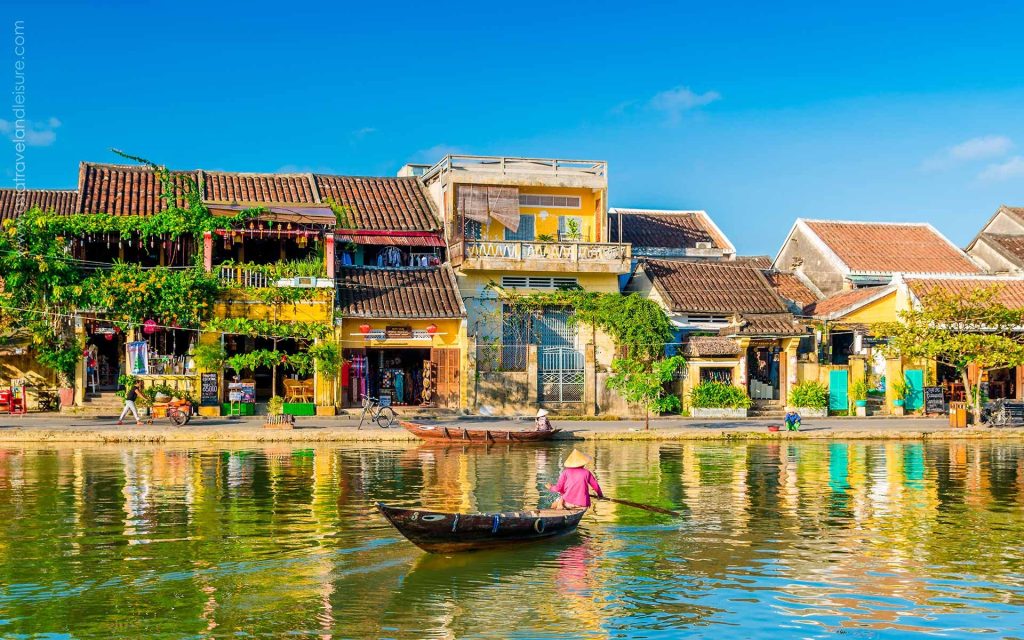
Hoi An General Information
Hoi An Old Town is located 30km south of Danang City, and 60km northeast of Tam Ky. Hoi An used to be an international trade center by sea on the east area in the 16th and 17th centuries. It was the busiest trading port in Dang Trong region of Vietnam during the reign of Nguyen as merchants from Japan, China, Portugal, Spain, Holland etc. often stopped over to exchange and purchase commodities. Good to give some ideas what commodities being traded here during the period.
In the historical progress of establishment and development, Hoi An was known by foreign merchants as Faifo, Haisfo, Hoai pho. Based on archaeological relics and early records of architectural dwellings, Hoi An was also an important meeting place of many cultures, such as Champa, Vietnamese, Portuguese, Japanese and Chinese, and has been greatly impacted upon by Vietnamese and Chinese civilization.
Notes:
Address: Quang Nam Province, Vietnam.
Open daily, all year around.
Location: 30km south of Danang City, and 60km northeast of Tam Ky.
Day-time ticket: 120,000 VND/person, valid for 24 hours, applied for 5 out of 22 sightseeing places within Hoian which require admission fee.
Top Attractions in Hoi An
Hoi An Ancient Town
Hoi An’s Ancient Town is a beautifully preserved UNESCO World Heritage site where history comes alive in every corner. Wander through narrow, lantern-lit streets lined with centuries-old houses showcasing a blend of Vietnamese, Chinese, and Japanese architecture. Don’t miss the iconic Japanese Covered Bridge, built in the 16th century, which stands as a symbol of Hoi An’s multicultural past. The town is filled with quaint shops, historic temples, and vibrant markets that capture the charm of traditional Vietnam.
- Explore the historic streets, temples, and merchant houses showcasing Chinese, Japanese, and French influences.
- Visit the Japanese Covered Bridge, a significant landmark in Hoi An.
- Discover the unique architecture of traditional wooden houses and yellow colonial buildings.
My Son Sanctuary
Located about 40 kilometers from Hoi An, My Son Sanctuary is a cluster of ancient Hindu temple ruins dating back to the Champa Kingdom between the 4th and 14th centuries. Surrounded by lush greenery and rolling hills, this UNESCO World Heritage site offers a glimpse into Vietnam’s spiritual history and architecture. Visitors can explore the temple complexes, admire intricate stone carvings, and learn about the significance of this sacred site.
An Bang Beach
Just a short ride from the Ancient Town, An Bang Beach offers a peaceful retreat with soft sandy shores and crystal-clear waters. It’s an ideal spot for swimming, sunbathing, or enjoying fresh seafood at beachside restaurants. The relaxed atmosphere makes it popular with both locals and visitors looking to escape the bustle of the town and soak up the coastal ambiance.
- Relax on the sandy shores and enjoy the coastal scenery.
Hoi An Night Market
- Immerse yourself in the lively atmosphere of the night market with its colorful lanterns and local crafts.
- Sample delicious Vietnamese street food and browse unique souvenirs.
- Take a lantern boat ride on the river, a popular activity during the evening.
Other Notable Attractions
- Tra Que Vegetable Village: Experience rural life and learn about traditional farming methods.
- Precious Heritage by Réhahn: Admire the photography showcasing the cultural diversity of Vietnam.
- Hoi An Lune Center: Enjoy a traditional Vietnamese performance.
- Cham Island (Cu Lao Cham): Take a day trip to explore the islands and enjoy snorkeling or diving.
- Sunworld Ba Na Hills: Visit this amusement park on top of the Trường Sơn Mountains for a different kind of experience.
Hoi An offers something for everyone, from history buffs and foodies to beach lovers and culture enthusiasts
Hoi An Cuisine to Try
Hoi An, Vietnam, offers a unique culinary experience with dishes like Cao Lầu, Banh Mi, and Hoi An chicken rice being must-tries. These dishes showcase the region’s culinary heritage, blending Vietnamese, Chinese, and Japanese influences. Here’s a more detailed look at some of the best Hoi An cuisine to try:
Cao Lầu: This regional noodle dish is a Hoi An specialty, featuring thick, chewy noodles, savory pork (often char siu), fresh herbs, crispy pork cracklings, and a splash of broth. It’s known for its unique preparation, including the use of water from a specific well and the addition of crispy deep-fried noodle squares. You can find it at various eateries and even at the Hoi An Central Market.
Banh Mi: Hoi An is renowned for its banh mi, a Vietnamese sandwich with crusty French bread, pate, pickled vegetables, and various meats. Many shops source their bread from a specific bakery, and some local foodies say it’s a must-try experience when in Hoi An. There are famous banh mi shops like Banh Mi Phuong, which is very popular with tourists, although some locals may prefer other options.
Hoi An Chicken Rice: This dish elevates the simple combination of chicken and rice by using fresh ingredients from the countryside. Tender chicken is shredded and mixed with flavorful fish sauce and onions, served alongside turmeric rice. Pickled shallots, radish, herbs, and sometimes young eggs, are also included, with Vietnamese coriander and hot mint adding a balancing touch.
Other dishes:
- Banh Xeo: A crispy, savory crepe that’s often filled with shrimp, pork, and bean sprouts.
- Mi Quang: Rice noodles with a rich broth, typically topped with shrimp, pork, and other ingredients.
- Morning Glory: A leafy green vegetable stir-fried with garlic.
- Banh Dap: A combination of soft and crispy rice paper that you dip in sauce.
- Fresh seafood: Hoi An offers a wide array of fresh seafood, especially along the coast.
Cultural Experiences
Hoi An offers rich and immersive cultural experiences that let travelers connect deeply with the local heritage and traditions.
- Lantern-Making Workshops
One of Hoi An’s most iconic crafts is its colorful lanterns, which light up the town’s streets during festivals. Visitors can join hands-on workshops to learn how to make these beautiful lanterns using bamboo frames and silk fabric, guided by skilled local artisans. This is a perfect activity to take home a meaningful souvenir and understand a centuries-old tradition. - Cooking Classes
Vietnamese cuisine is renowned worldwide, and Hoi An is a great place to master its flavors. Numerous cooking schools offer classes where you can shop for fresh local ingredients at the market, then prepare classic dishes like Cao Lau noodles, spring rolls, and pho. These interactive sessions provide insight into Vietnamese food culture and techniques that you can recreate at home. - Festivals
Hoi An’s cultural calendar is vibrant, with several festivals that showcase its spiritual and communal life. The Lantern Festival, held every full moon, sees the ancient town glowing with thousands of lanterns floating on the river, creating a magical atmosphere. The Full Moon Festival celebrates local customs with traditional music, dance, and street performances. Timing your visit during these festivals offers a truly unique cultural experience.
Practical Travel Tips
To make the most of your trip to Hoi An, keep these practical travel tips in mind:
- Best Time to Visit
The ideal time to visit Hoi An is from February to April when the weather is warm, sunny, and dry. The months between May and August can be hot but are still popular for beach activities. - Getting Around
Hoi An’s compact size makes it easy to explore on foot or by bicycle — a favorite way to soak in the charming streets and riverside views. Motorbikes are common but be cautious if unfamiliar with local traffic. Taxis and ride-hailing services like Grab are readily available for longer distances or day trips. - Currency and Language
The local currency is the Vietnamese Dong (VND). ATMs are widely available in Hoi An for easy cash withdrawal. While Vietnamese is the official language, many tourism professionals and shop owners speak basic English. Learning simple phrases like “xin chào” (hello), “cảm ơn” (thank you), and “bao nhiêu tiền?” (how much?) will enhance your interactions.
Where to Stay in Hoi An
For first-timers in Hoi An, the Old Town area is the best place to stay due to its proximity to attractions, convenience, and walkability. La Siesta Hoi An Resort & Spa, RiverTown Hoi An Resort & Spa, and Hadana Boutique Resort Hoian are popular choices. Other great options include Lantana Hoi An Boutique Hotel & Spa and the Hoi An Riverside Resort.
Here’s a more detailed breakdown:
Best Areas to Stay in Hoi An:
- Old Town:
- Riverside:
- Staying along the river offers a tranquil experience with beautiful views and access to riverside restaurants and activities.
- This area is ideal for first-time visitors, offering a charming atmosphere, historical sites, and easy access to restaurants, shops, and attractions. It’s also very walkable, allowing you to explore the area on foot.
- Beach Areas (An Bang, Cua Dai):
- If you’re looking for a beach getaway, consider staying in the beach areas like An Bang or Cua Dai. These areas are a bit further from the Old Town but offer a more relaxed atmosphere and access to the beach.
Recommended Hotels:
- La Siesta Hoi An Resort & Spa: Known for its luxurious amenities and excellent service.
- RiverTown Hoi An Resort & Spa: Offers a beautiful setting on the river with convenient access to the Old Town.
- Hadana Boutique Resort Hoian: A popular choice with a good location and a range of amenities.
- Lantana Hoi An Boutique Hotel & Spa: Offers a mix of modern and classic charm with a great location near the river.
- Hoi An Riverside Resort: A popular choice with a good location and access to beach shuttles.
- Son Hoi An Boutique Hotel & Spa: Features a pool, garden, and restaurant, with a great location.
- Ancient House Resort and Spa: Offers a relaxing atmosphere with two pools and close proximity to other dining options.
Day Trips from Hoi An
Extend your exploration with these fascinating day trips from Hoi An:
- Da Nang
Only about 30 minutes away by car, Da Nang is a vibrant city known for its beaches and modern attractions. Visit the Marble Mountains, a cluster of limestone hills with caves and pagodas, or take a scenic ride to Ba Na Hills, famous for the Golden Bridge held by giant stone hands and a mountain resort. - Hue
Around 2.5 hours from Hoi An, Hue is a former imperial capital rich with history. Explore the Imperial City, a UNESCO World Heritage Site featuring palaces, temples, and royal tombs along the Perfume River. This trip offers insight into Vietnam’s royal past and stunning architecture.
Share This Post





















Welcome to Asia Travel & Leisure, your premier Southeast Asia DMC specializing in authentic B2B travel experiences across Vietnam, Laos, Cambodia, Myanmar, and Thailand.


