

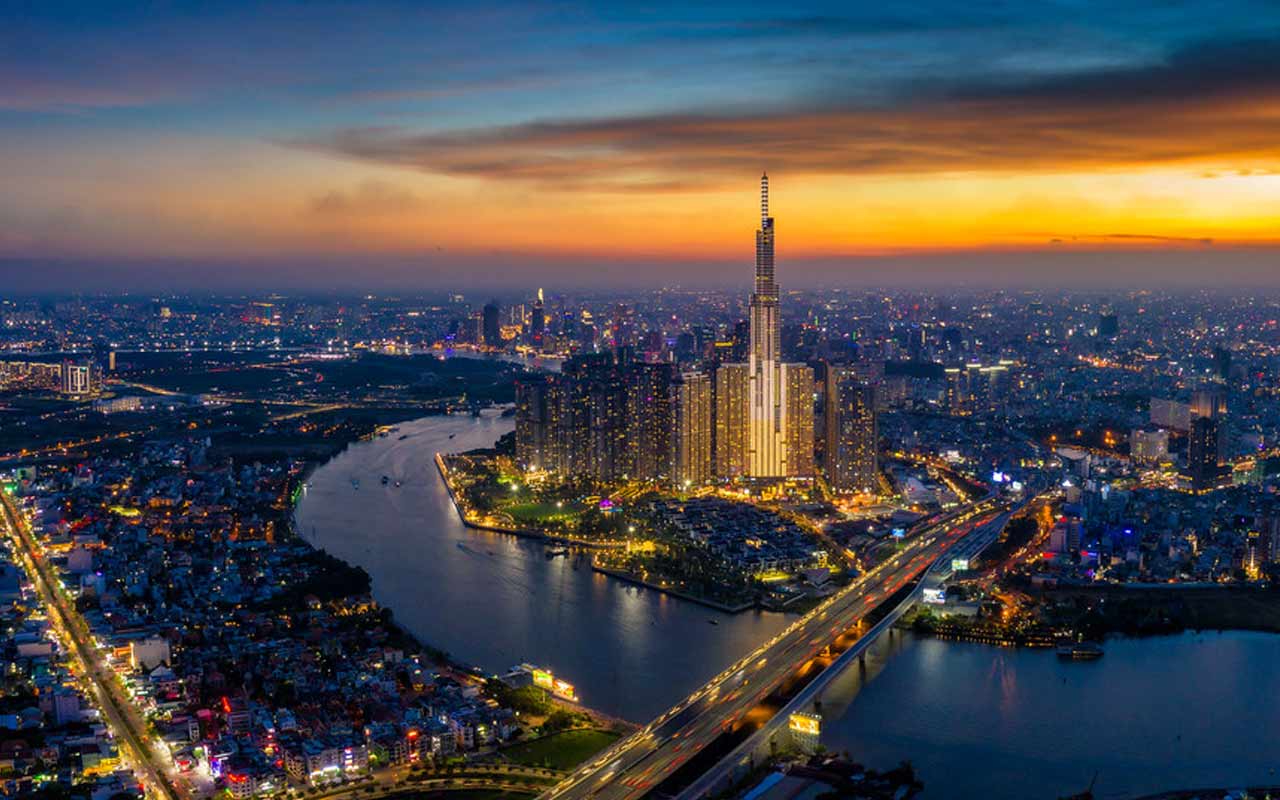
Vietnam is a captivating destination that offers an enchanting blend of rich cultural heritage, breathtaking natural landscapes, and vibrant cities teeming with life. From the bustling streets of Hanoi to the tranquil waters of Halong Bay, this Southeast Asian gem promises an array of unforgettable experiences for every traveler. Whether you’re seeking adventure, relaxation, or a taste of authentic local cuisine, Vietnam has an abundance of things to do that will leave you spellbound. Embark on a journey through this fascinating country, where ancient traditions seamlessly intertwine with modern influences, creating a tapestry of sights, sounds, and flavors that will ignite your senses and leave you yearning for more.
Cruise Halong Bay
| Category | Information |
|---|---|
| Known for | Stunning limestone pillars, emerald waters, caves, and floating villages |
| Location | Quảng Ninh province, northeastern Vietnam |
| Distance from Hanoi | Approximately 160 kilometers (100 miles) |
| Approach | Car, shuttle bus, seaplane, or helicopter tour from Hanoi |
| Recommended duration | At least 2 days, ideally 3 days for a leisurely exploration |
| Best time to visit | Spring (February to April) or autumn (September to November) to avoid extreme temperatures and crowds |
| Best Things to Do and See | Cruising, kayaking, swimming in hidden lagoons, exploring caves, visiting floating villages, hiking in Cat Ba National Park |
| Nearest Airport | Van Don International Airport (VDN) – domestic flights only |
| International Airport | Noi Bai International Airport (HAN) in Hanoi |
| Where to stay | Overnight cruises on traditional junks or hotels on Cat Ba Island |
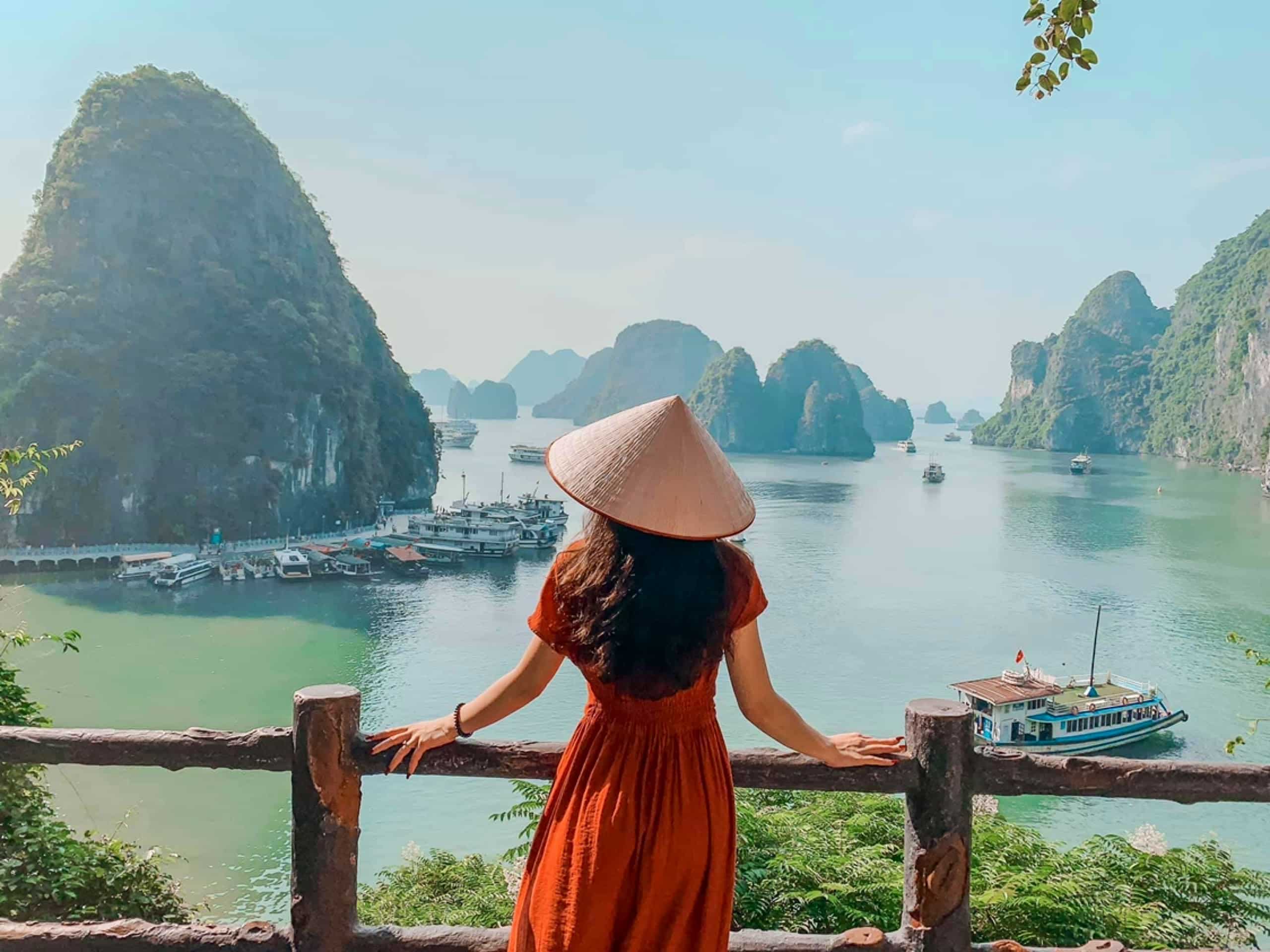
Unveil the Enchanting Beauty of Halong Bay: Cruising through the emerald waters of the Gulf of Tonkin, you’ll be awestruck by the majestic limestone pillars that rise majestically from the sea, their jagged peaks piercing the sky like ancient sentinels. As our traditional junk boat glided through this ethereal landscape, I couldn’t help but feel a sense of wonder and tranquility wash over me.
Halong Bay, a UNESCO World Heritage Site, is a masterpiece of nature, sculpted by wind and water over millions of years. The bay’s limestone karsts, towering up to 300 meters high, are a geological marvel, their intricate formations and hidden grottoes beckoning exploration. Whether you choose to kayak through secluded lagoons, swim in crystal-clear waters, or venture into the mysterious depths of the bay’s caves, each experience offers a chance to connect with the raw beauty of this natural wonder.
Our exclusive Halong Bay cruises allow you to immerse yourself in this breathtaking landscape at your own pace. Spend a night aboard a traditional junk boat, waking up to the gentle lapping of waves and the sight of mist-shrouded islands greeting the morning sun. Our experienced guides will lead you on a journey of discovery, revealing the bay’s hidden gems and sharing stories of the local culture and traditions.
To fully experience the magic of Halong Bay, we recommend dedicating at least two days to your visit. The ideal time to explore the bay is from March to June, when the weather is mild, and the waters are calm, offering perfect conditions for cruising, kayaking, and exploring the hidden coves and caves.
Halong Bay is a destination that caters to all types of travelers. Families with children will find plenty of opportunities for adventure and education, while elderly travelers can enjoy the serenity and comfort of our luxurious junk boat accommodations. We also offer accessible tours and accommodations for those with mobility concerns or hearing impairments, ensuring that everyone can experience the beauty of this natural wonder.
As you cruise through the bay, indulge in the fresh seafood delicacies that are a staple of the local cuisine. From savory grilled squid to succulent lobster, the flavors of Halong Bay are a feast for the senses. If you’re seeking a truly unique experience, consider staying at one of the eco-friendly resorts nestled among the islands, where you can wake up to stunning views and the gentle lapping of waves against the shore.
Before your journey, be sure to pack lightweight, breathable clothing, sturdy walking shoes, and a hat or sunscreen for protection from the tropical sun. Don’t forget to bring your sense of adventure and a willingness to embrace the magic of Halong Bay, where nature’s majesty and Vietnam’s rich cultural heritage converge in a truly unforgettable experience.
As the sun sets over the bay, painting the sky with hues of orange and pink, you’ll understand why many travelers consider Halong Bay a true bucket-list destination. So, what are you waiting for? Let us take you on an odyssey through this natural wonder, where memories are made and adventures await around every karst-studded bend.
Explore Ho Chi Minh City
Ho Chi Minh City, formerly known as Saigon, is a vibrant metropolis that pulses with energy and cultural richness. As you explore its bustling streets, you’ll be captivated by the city’s seamless blend of historical landmarks and modern developments.
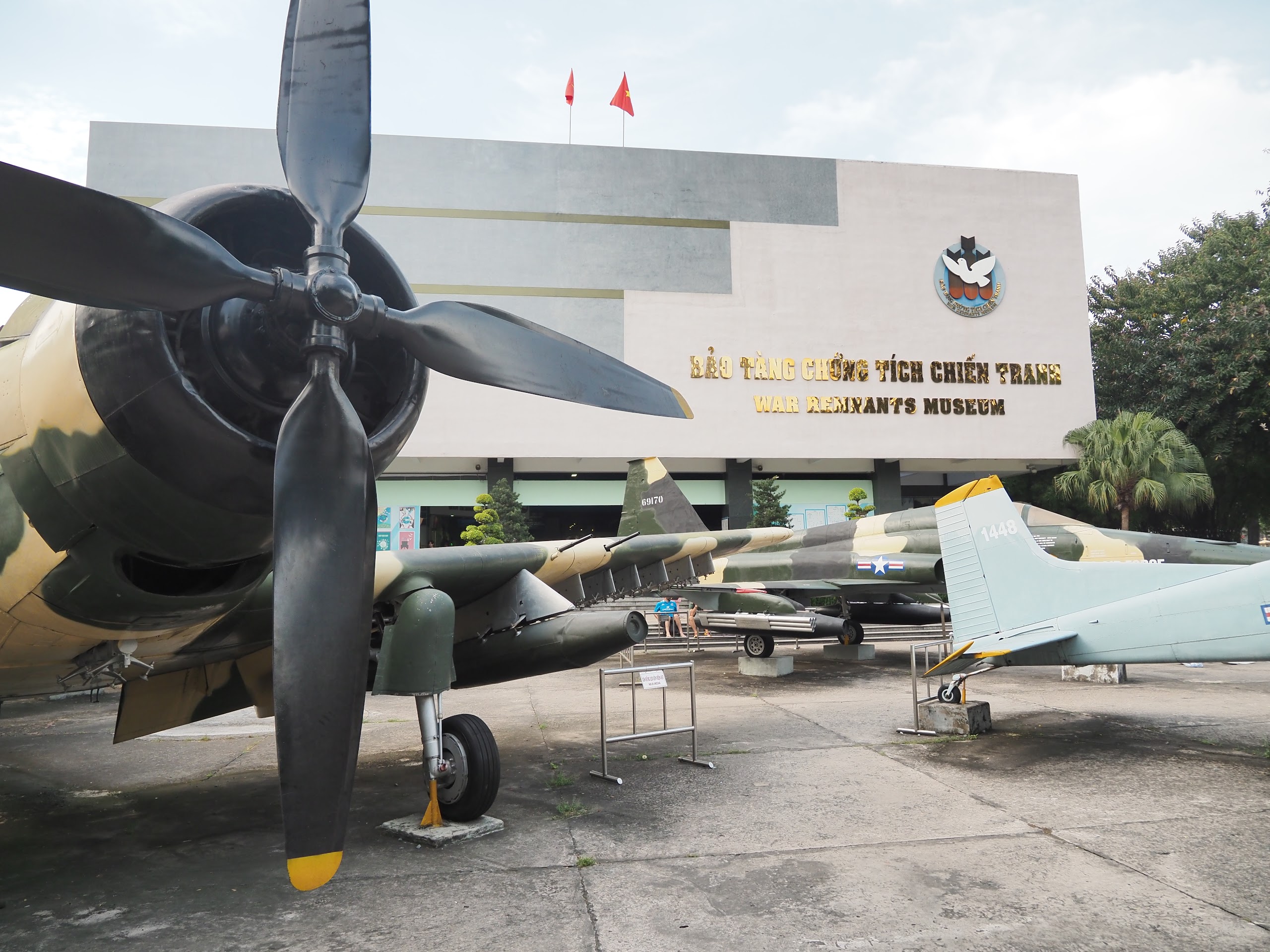
One of the city’s most iconic attractions is the Reunification Palace, a striking example of French colonial architecture that served as the former residence of the President of South Vietnam. Nearby, the War Remnants Museum offers a sobering yet essential look into the country’s turbulent past, with exhibits that shed light on the impact of the Vietnam War.
Yet, Ho Chi Minh City is more than just its history. The city thrives with a dynamic energy that can be witnessed at the bustling Ben Thanh Market, where vendors sell everything from fresh produce to handcrafted souvenirs. Weave your way through the narrow alleyways, and you’ll discover a world of tantalizing street food, from sizzling banh mi sandwiches to fragrant pho noodle soups.
One of my most memorable experiences in Ho Chi Minh City was a visit to the Saigon Notre-Dame Basilica, a stunning example of Neo-Romanesque architecture that dates back to the late 19th century. As I stepped inside, the intricate stained-glass windows and towering ceilings left me in awe, and I couldn’t help but marvel at the blend of French and Vietnamese influences that shaped this iconic landmark.
To fully immerse yourself in the city’s vibrant culture, I recommend dedicating at least three days to exploring Ho Chi Minh City. The ideal time to visit is during the dry season, from December to April, when the weather is comfortable and the city’s outdoor attractions are at their best. Families with children will find the city remarkably accessible, with plenty of wheelchair-friendly attractions and facilities for those with disabilities.
No visit to Ho Chi Minh City would be complete without indulging in its culinary delights. For an authentic taste of Vietnamese cuisine, I highly recommend trying the delicious street food at Pho Hoa or the classic French-Vietnamese fusion dishes at Cuc Gach Quan. As for accommodation, the city offers a range of options, from luxurious hotels like the Park Hyatt Saigon to budget-friendly stays in the city center.
When exploring Ho Chi Minh City, it’s essential to be mindful of local customs and etiquette. Dress modestly when visiting religious sites, and always ask for permission before taking photographs of locals. Safety should also be a priority, so it’s advisable to keep valuables secure and avoid walking alone in isolated areas at night.
To truly experience the essence of Ho Chi Minh City, consider booking a private tour with our knowledgeable guides. They’ll not only ensure your safety and comfort but also provide invaluable insights into the city’s rich history and culture, creating a personalized experience tailored to your interests.
So, what are you waiting for? Immerse yourself in the captivating blend of ancient and modern that Ho Chi Minh City offers. Contact us today to start planning your unforgettable journey through this dynamic Vietnamese metropolis.
- Known for: Ho Chi Minh City, formerly known as Saigon, is known for its blend of French colonial architecture, vibrant street food scene, and wartime history. It’s a dynamic metropolis that seamlessly fuses the old and the new.
- Location: Ho Chi Minh City is located in southern Vietnam, approximately 1,600 km (1,000 miles) south of Hanoi, the capital city.
- How to reach: Ho Chi Minh City is easily accessible by air, with Tan Son Nhat International Airport serving as the main gateway. It’s also well-connected by road and rail networks to other cities in Vietnam.
- Recommended duration: To fully experience the city’s attractions, culture, and cuisine, it’s recommended to spend at least 3-4 days in Ho Chi Minh City.
- Best time to visit: The ideal time to visit Ho Chi Minh City is during the dry season, from December to April, when the weather is pleasant and dry.
- Best things to do and see:
- Explore the Reunification Palace and War Remnants Museum
- Visit the Saigon Notre-Dame Basilica and Central Post Office
- Shop and indulge in street food at Ben Thanh Market
- Discover hidden alleyways and local neighborhoods
- Enjoy a day trip to the Cu Chi Tunnels or Mekong Delta
- Where to stay: Ho Chi Minh City offers a variety of accommodation options, from luxury hotels like the Park Hyatt Saigon and Reverie Saigon to budget-friendly stays in the city center or backpacker hostels.
Other useful information:
- Currency: Vietnamese Dong (VND)
- Language: Vietnamese (English is widely spoken in tourist areas)
- Transportation: Taxis, ride-sharing services (Grab), and public buses are readily available
- Safety: Exercise caution with your valuables and avoid isolated areas at night
- Local customs: Dress modestly when visiting religious sites and respect local traditions
Trek through Sapa
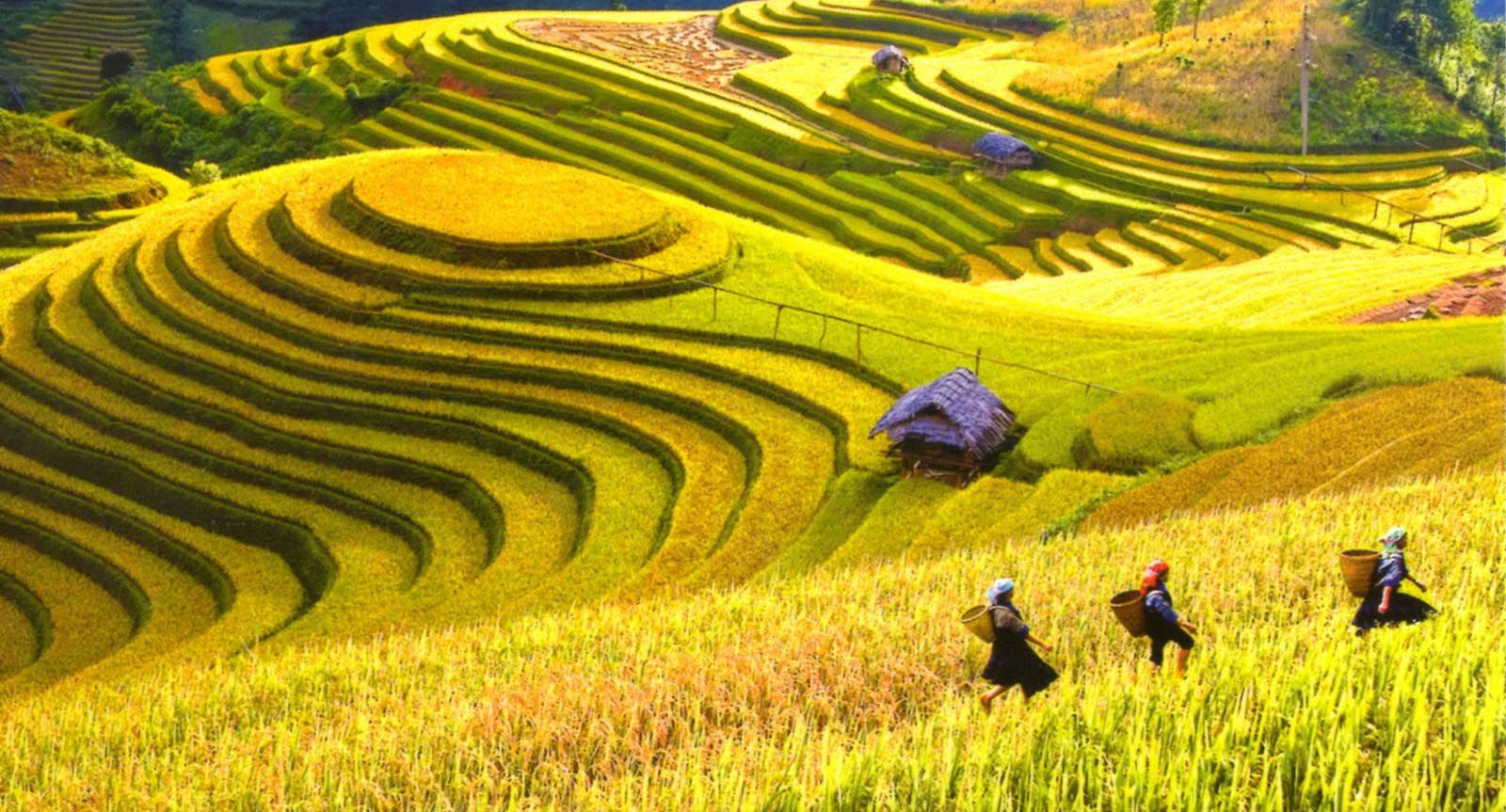
Nestled in the misty mountains of northern Vietnam, Sapa is a true hiker’s paradise. Imagine yourself trekking through lush, terraced rice paddies that cascade down the rolling hills like emerald staircases, while charming hill tribe villages dot the landscape. This is an experience that will leave you in awe of nature’s majesty and the rich cultural tapestry of Vietnam’s ethnic minorities.
As you embark on your trek, you’ll be greeted by panoramic vistas that seem straight out of a fairytale. The winding trails will lead you through scenic valleys, past rushing streams, and into remote villages where time seems to stand still. Here, you’ll have the opportunity to interact with the friendly locals, learn about their age-old traditions, and gain a deeper appreciation for their way of life.
One of the highlights of trekking in Sapa is the chance to visit Cat Cat Village, a vibrant hub nestled in the heart of the mountains. Here, you can immerse yourself in the culture of the Black H’mong people, admire their intricate embroidery, and perhaps even spend a night in a traditional homestay, gaining a truly authentic experience of rural life in Vietnam.
The best times to trek through Sapa are during the cooler months of September to November and March to May, when the weather is ideal for hiking, and the landscapes are at their most picturesque. To fully appreciate the region’s beauty and cultural richness, it’s recommended to dedicate at least two days to your Sapa trekking adventure.
While the treks can be physically demanding, there are options available for all fitness levels, making Sapa a suitable destination for families with children and even elderly travelers. However, it’s essential to note that some areas may not be fully accessible for those with mobility challenges or hearing impairments, so it’s best to check with your tour operator in advance.
For accommodations, Sapa offers a range of options, from charming boutique hotels to rustic homestays that provide an authentic glimpse into local life. When it comes to dining, be sure to sample the delicious Vietnamese cuisine at local restaurants, where you can savor flavors unique to the region.
If you’re looking to enhance your Sapa experience, consider booking a guided trek with our travel company. Our knowledgeable guides will not only ensure your safety but also provide insights into the rich cultural heritage of the ethnic minorities and share fascinating stories about the region’s history and traditions.
As someone who has experienced the magic of Sapa firsthand, I can attest to the transformative power of this journey. One of my most cherished memories was witnessing the sunrise over the terraced rice paddies, painting the landscape with hues of gold and amber. It was a moment that reminded me of the sheer beauty and diversity of our world, and the importance of preserving these cultural gems.
Before embarking on your Sapa trek, be sure to pack comfortable hiking shoes, lightweight layers, and a water-resistant jacket. It’s also crucial to stay hydrated, apply sunscreen, and respect the local customs and traditions of the communities you’ll encounter along the way.
So, if you’re seeking an adventure that combines breathtaking natural scenery with a deep cultural immersion, look no further than Sapa.
| Category | Information |
|---|---|
| Known for | Breathtaking terraced rice paddies, stunning mountain scenery, and rich ethnic minority culture |
| Location | Lao Cai Province, Northwestern Vietnam |
| Distance from Hanoi | Approximately 250 km (155 miles) |
| How to Reach | Night bus, train, or private car from Hanoi |
| Recommended Duration | At least 2 days, ideally 3-5 days for a more comprehensive experience |
| Best Time to Visit | September to November for stunning rice terraces or March to May for pleasant weather |
| Best Things to Do and See | Trekking, visiting Cat Cat Village and other hill tribe villages, exploring Fansipan Mountain (highest peak in Indochina), Homestays |
| Where to Stay | Hotels, homestays, and guesthouses catering to various budgets |
| Other Useful Information | Pack comfortable shoes, rain gear, and light layers for changing weather. Be mindful and respectful of local customs. Depending on the health status of the group members, you should consider booking tour packages with a local travel company to receive attentive service and have a complete experience. |
Relax on Phu Quoc Island
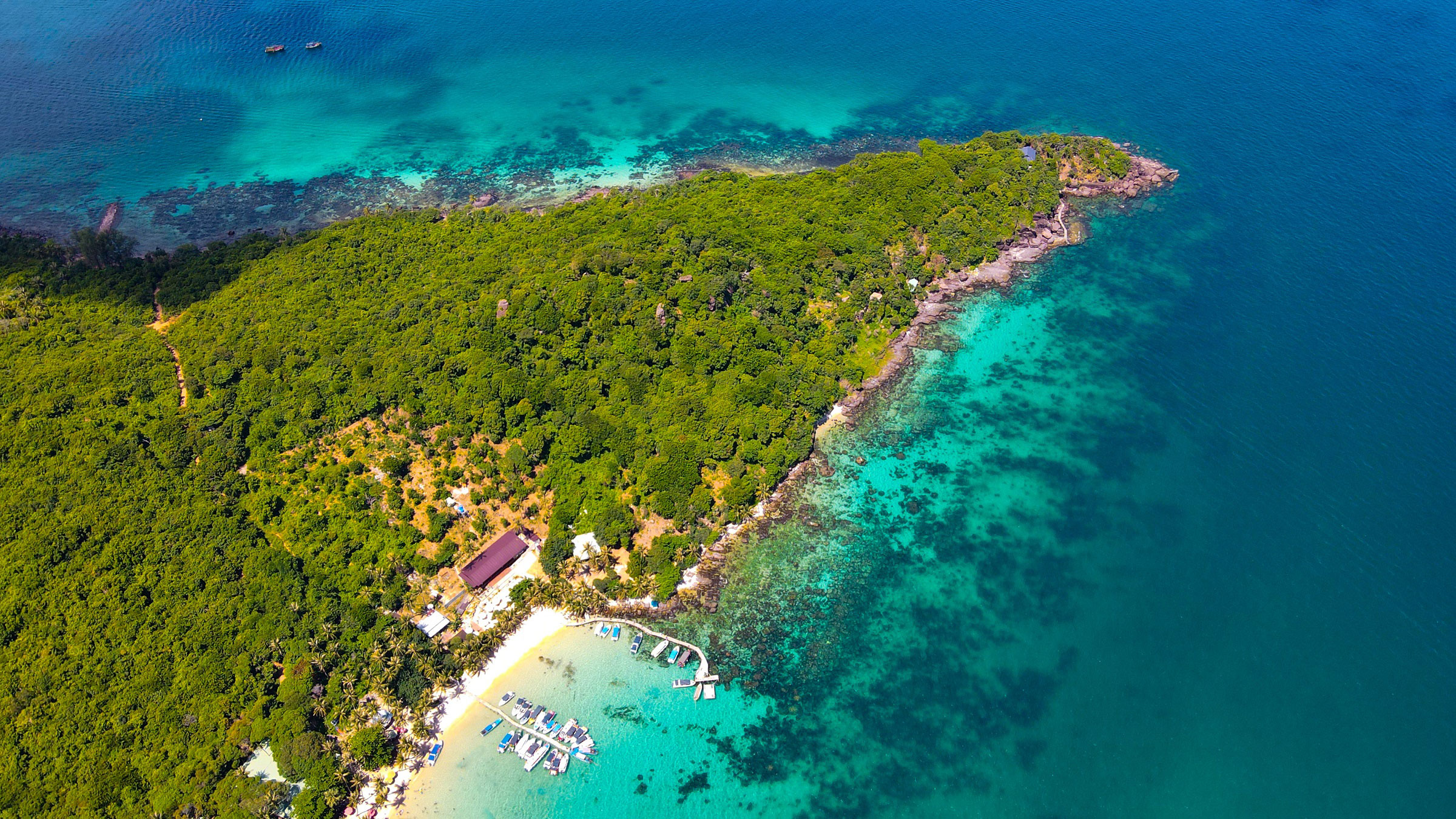
Imagine yourself lounging on pristine white sands, with the gentle waves of the Gulf of Thailand lapping at your feet—welcome to Phu Quoc Island, a tropical paradise perfect for unwinding. Phu Quoc, Vietnam’s largest island, is renowned for its stunning beaches, lush landscapes, and tranquil atmosphere, making it an ideal spot for those looking to escape the hustle and bustle.
During our stay, we were captivated by the serene beauty of Long Beach, where the sunsets are nothing short of magical. As the day faded into twilight, the sky transformed into a breathtaking canvas of oranges and pinks, reflecting off the calm waters and creating a truly mesmerizing sight.
To make the most of your Phu Quoc experience, we recommend spending at least three days on the island to fully explore and unwind. Soak up the sun on the pristine sands of Long Beach or Sao Beach, or indulge in a luxurious stay at the Salinda Resort or JW Marriott Phu Quoc Emerald Bay, where you can pamper yourself with world-class amenities. For a taste of local flavors, visit the lively Phu Quoc Night Market and savor the fresh seafood delicacies.
The best time to visit Phu Quoc is during the dry season from November to March, when the weather is warm and sunny, perfect for beach days and outdoor adventures. Phu Quoc is a family-friendly destination, with many resorts offering kid-friendly amenities and activities. While the island is generally accessible, it’s advisable to check with specific hotels about facilities for wheelchair users or those with mobility challenges.
Don’t forget to pack sunscreen and a hat to protect yourself from the tropical sun, and be sure to bring a sense of adventure and relaxation as you immerse yourself in the island’s laid-back charm.
Whether you’re seeking a romantic getaway or a family vacation, Phu Quoc Island promises an unforgettable escape. Calling all lovebirds! Phu Quoc Island isn’t just for beachside bliss, it’s also a dream destination for honeymoons. Imagine soaking up the sun with your newly minted spouse, turquoise waters lapping at your feet. Pure magic!
But Phu Quoc’s romantic appeal goes beyond honeymoons. It can also be the stunning backdrop for your big day itself. Take a cue from a recent celeb wedding – a wealthy Indian couple chose a luxurious 5-star Phu Quoc resort to host their mega wedding. Picture saying “I do” surrounded by paradise!
| Category | Information |
|---|---|
| Known for | Pristine beaches, lush landscapes, delicious seafood, and relaxed atmosphere |
| Location | An island off the coast of Cambodia in the Gulf of Thailand |
| How to Reach | Phu Quoc International Airport offers direct flights from many cities. Alternatively, ferries operate from the mainland. |
| Recommended Duration | At least 3 days |
| Best Time to Visit | Dry season (November to March) for sunshine, although the island is pleasant year-round. |
Wander through Hoi An Ancient Town
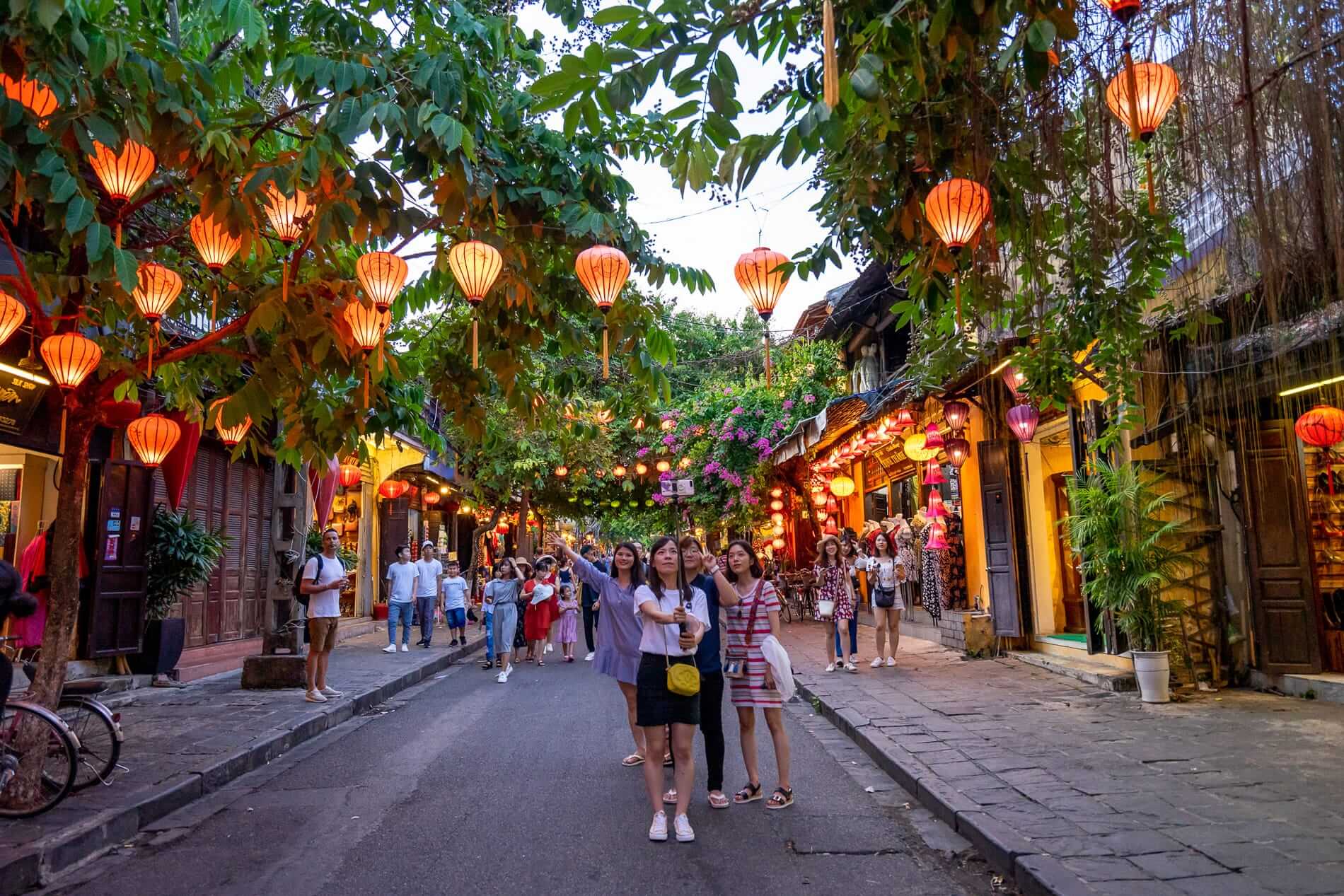
Step back in time and immerse yourself in the enchanting atmosphere of Hoi An Ancient Town, a UNESCO World Heritage Site that beautifully preserves the architectural and cultural heritage of a bygone era. This captivating town, with its yellow-hued buildings, winding lanes, and lantern-lit streets, offers a truly unique and unforgettable experience.
As you wander through Hoi An’s ancient quarters, you’ll have the opportunity to explore meticulously preserved merchant houses, each one a testament to the town’s rich trading history. Take a leisurely stroll across the iconic Japanese Covered Bridge, a picturesque symbol of the town’s multicultural past, or embark on a serene boat ride along the Thu Bon River, where the lantern-lit reflections create a magical ambiance.
Hoi An is also a hub for traditional craftsmanship, with numerous villages specializing in various arts and crafts. From the skilled hands of the potters to the intricate work of the silk weavers, you’ll gain a deeper appreciation for the town’s cultural heritage. Don’t miss the chance to explore the bustling local markets, where you can immerse yourself in the sights, sounds, and aromas of daily life in Hoi An.
To fully experience the town’s charm, we recommend dedicating at least two days to your visit. The best time to explore Hoi An is during the dry months of February to May or August to October, when the weather is pleasant and the town hosts various cultural festivals and events.
Hoi An is a fantastic destination for families, with plenty of child-friendly activities and attractions. The town’s pedestrian-friendly streets make it easy to navigate, and many restaurants offer kid-friendly menus. While some areas may have limited accessibility for wheelchair users, the town’s ancient streets and buildings are generally accessible with assistance.
No visit to Hoi An would be complete without indulging in the local cuisine. Be sure to savor the town’s signature dishes, such as Cao Lau noodles, White Rose Dumplings, and the iconic Vietnamese Banh Mi. For a truly authentic experience, head to the Hoi An Night Market or explore the street food stalls along the riverside.
When it comes to accommodation, Hoi An offers a range of options to suit every budget and preference. From luxury resorts like the Four Seasons Resort The Nam Hai to charming boutique hotels, you’ll find the perfect base to explore the town’s charms.
Before your visit, pack comfortable walking shoes, lightweight clothing, and a hat or umbrella for protection from the sun. Remember to carry cash, as many smaller establishments may not accept credit cards. Be respectful of local customs and dress modestly when visiting temples or religious sites. Don’t forget to stay hydrated and use mosquito repellent to protect against mosquito-borne illnesses.
Hoi An Ancient Town is a true gem, offering a captivating blend of history, culture, and natural beauty. Immerse yourself in the town’s timeless charm and create memories that will last a lifetime.
Essential Information for Travelers
- Known for: UNESCO World Heritage Site, well-preserved ancient town, colorful architecture, Japanese Covered Bridge, lantern boat rides, traditional crafts, delicious cuisine
- Location: Central Vietnam, Hoi An is located on the central coast of Vietnam, in the Quang Nam province, approximately 30 kilometers (19 miles) south of Da Nang.
- How to reach: The nearest major airport is Da Nang International Airport, from where visitors can take a taxi or private transfer to Hoi An (around 45 minutes). Alternatively, Hoi An is accessible by train or bus from other major cities in Vietnam.
- Recommended duration: To fully explore the ancient town, its attractions, and cultural experiences, it is recommended to spend at least 2-3 days in Hoi An.
- Best time to visit: The best time to visit Hoi An is during the dry season, from February to May or August to October, when the weather is pleasant and the town hosts various cultural festivals and events.
- Best things to do and see in Hoi An:
- Explore the Ancient Town’s yellow-hued buildings, winding lanes, and iconic landmarks like the Japanese Covered Bridge
- Take a lantern-lit boat ride along the Thu Bon River
- Visit traditional craft villages and watch artisans at work (e.g., pottery, silk weaving, woodcarving)
- Shop for souvenirs and local products at the bustling markets
- Attend cultural events and festivals, such as the Full Moon Festival or the Lantern Festival
- Take a cooking class and learn to prepare iconic Vietnamese dishes like Cao Lau and White Rose Dumplings
- Where to stay: A range of options are available, from luxury hotels and boutique resorts to family-friendly accommodations
See the Imperial Citadel in Hue
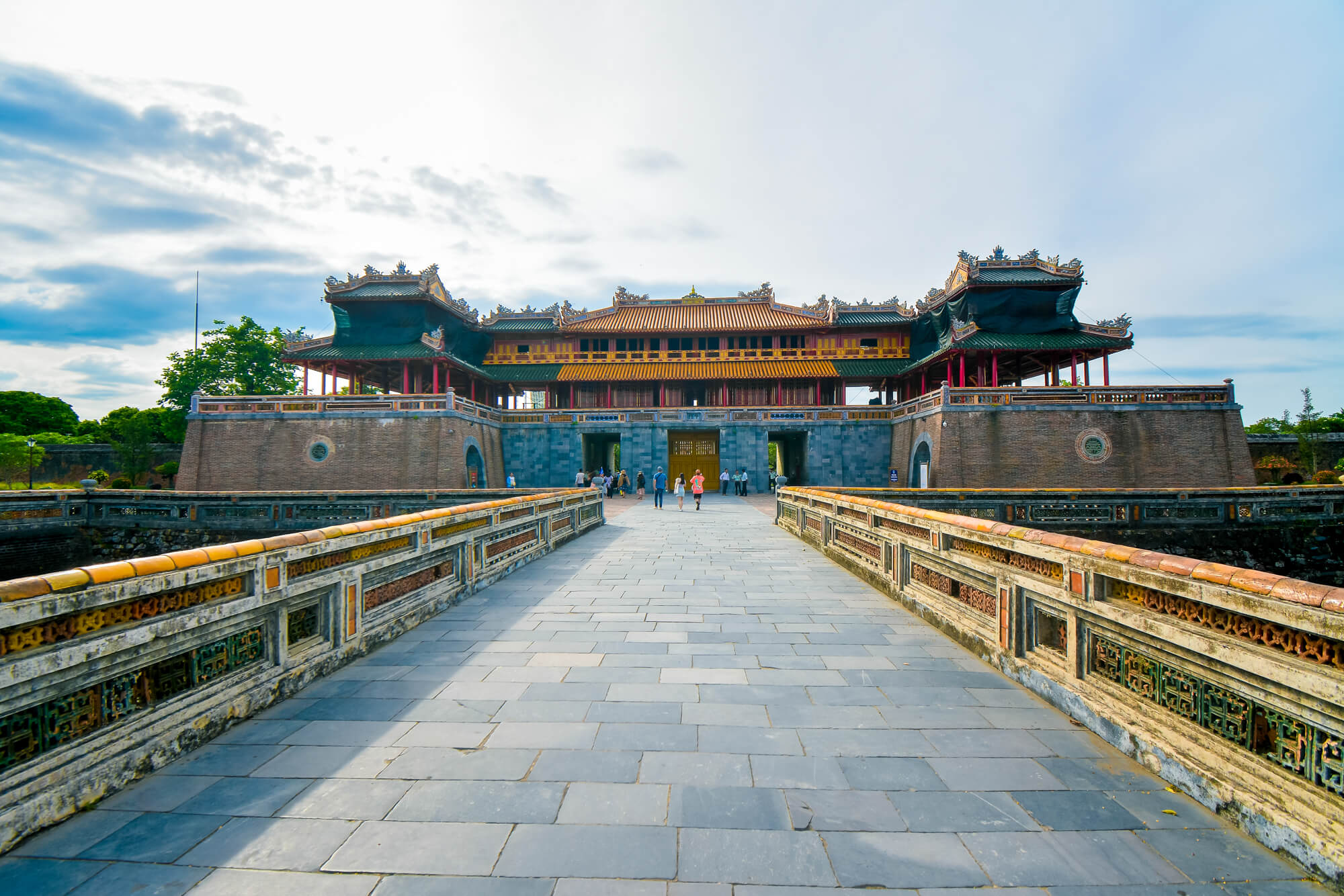 Step into a world of regal splendor and centuries-old history at the Imperial Citadel in Hue, Vietnam’s ancient capital and a UNESCO World Heritage site. Once the political, cultural, and religious heart of the Nguyen Dynasty, the Imperial Citadel offers a glimpse into Vietnam’s royal past with its grand palaces, ornate temples, and sprawling gardens.
Wander through the majestic Ngo Mon Gate, explore the Forbidden Purple City, and marvel at the intricately detailed Thai Hoa Palace. Each corner of the Citadel tells a story of the past, making it a fascinating journey through time. For the best experience, visit during the cooler months from November to March when the weather is pleasant for outdoor exploration. Allocate at least half a day to fully appreciate the site.
While the main areas are accessible for those with mobility issues, some parts may require assistance. Wheelchair users may find certain paths challenging, but there are ramps and accessible routes in key areas. The expansive grounds and engaging history make it a great destination for families with children and elderly members.
After your tour, savor authentic Vietnamese cuisine at nearby dining spots such as Les Jardins de La Carambole or the traditional dishes at Y Thao Garden. For a comfortable stay, consider La Residence Hotel & Spa, located just a short drive away, offering luxurious amenities and a historical ambiance.
One of our recent guests remarked, “Walking through the Citadel was like stepping into a different era. Our guide’s stories brought the history to life, and the kids loved exploring the ancient architecture.”
Don’t forget to bring sunscreen and a hat, as there is limited shade in some areas. Hiring a knowledgeable local guide can greatly enhance your experience by providing in-depth insights and interesting stories about the Citadel’s history.
Say goodbye to travel stress! Our comprehensive tour packages take care of everything, from expert guides and drivers to the little things that matter. Whether you need bottled water for the journey or a wheelchair for accessibility, we’ve got you covered. Plus, our friendly staff will be with you every step of the way, offering support throughout your entire trip.
Essential Information:
- Known for: Hue is known for its rich history and cultural heritage, particularly the Imperial Citadel, the former capital of the Nguyen Dynasty, and its stunning royal architecture, gardens, and temples.
- Location: Hue is located in central Vietnam, along the banks of the Perfume River, approximately 700 km (435 miles) south of Hanoi and 1,100 km (684 miles) north of Ho Chi Minh City.
- How to reach: The most convenient way to reach Hue is by air, with direct flights from major cities like Hanoi and Ho Chi Minh City to Phu Bai International Airport. Alternatively, travelers can take a train or bus from other cities in Vietnam.
- Recommended duration: To explore the Imperial Citadel and other attractions in Hue, it’s recommended to spend at least 2-3 days in the city.
- Best time to visit: The best time to visit Hue is during the dry season, from March to August, when the weather is cooler and less humid. The peak tourist season is from April to July.
- Best things to do and see in Hue:
- Explore the Imperial Citadel, including the Forbidden Purple City, Thai Hoa Palace, and Ngo Mon Gate
- Visit the Tombs of the Emperors, such as the Tomb of Minh Mang and Khai Dinh Tomb
- Admire the Thien Mu Pagoda, an iconic Buddhist temple on the Perfume River
- Take a boat tour along the Perfume River (Huong River)
- Experience local cuisine, like Bun Bo Hue (Hue-style beef noodle soup) and Royal Cuisine
- Shop for souvenirs at the Dong Ba Market
- Attend traditional cultural performances, such as the Nha Nhac Cung Dinh Hue (Vietnamese Court Music)
- Where to stay: Hue offers a range of accommodation options, from luxury hotels to budget-friendly homestays. Popular choices include La Residence Hotel & Spa, Azerai La Residence Hue, Pilgrimage Village Huế Boutique Resort & Spa, and various hotels in the city center near the Citadel.
Go spelunking in Phong Nha-Ke Bang National Park
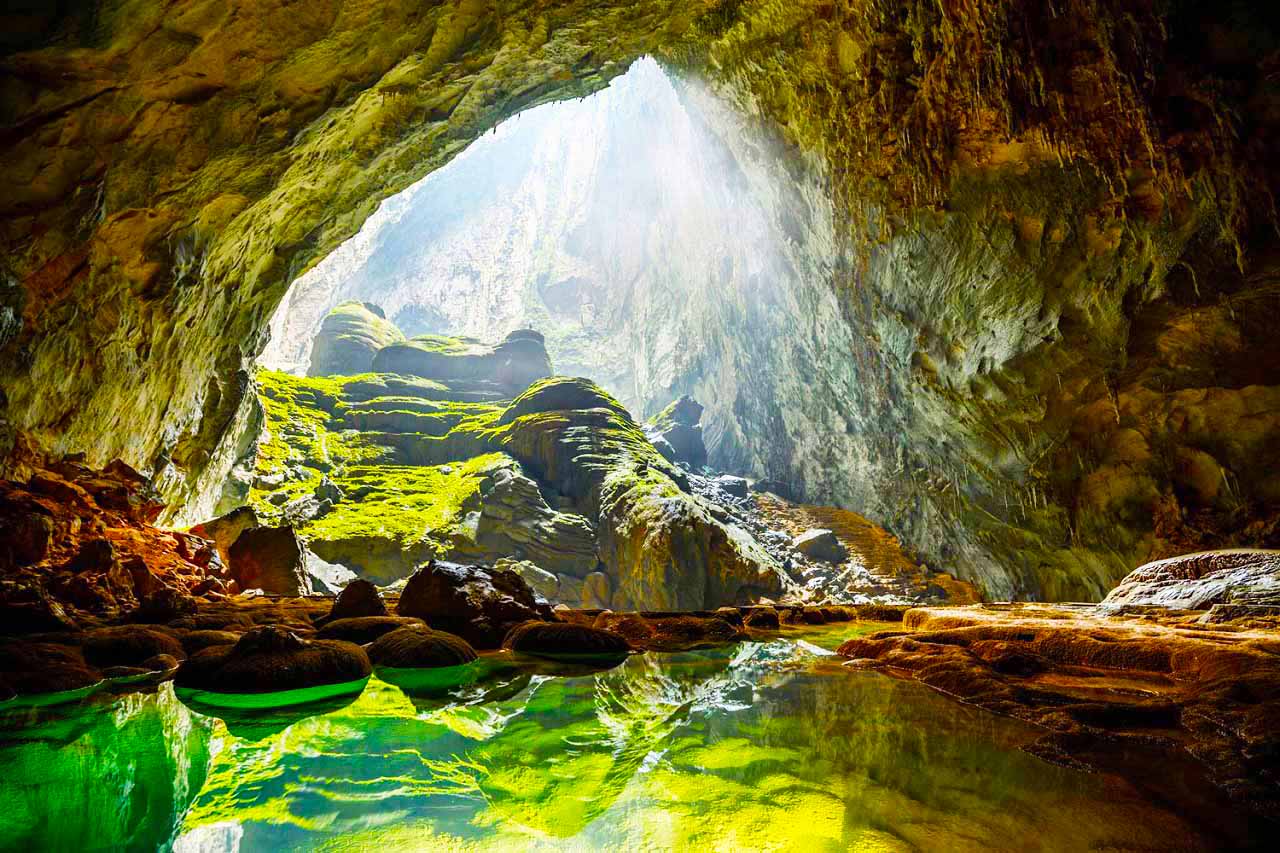
Have you ever wondered what lies beneath the Earth’s surface? Prepare to be awestruck as you venture into Phong Nha-Ke Bang National Park, a UNESCO World Heritage Site renowned for its breathtaking karst landscapes and vast underground cave systems. This geological wonder in central Vietnam will ignite your sense of adventure and leave you spellbound by nature’s majesty.
Within Phong Nha-Ke Bang, you’ll find an array of captivating attractions, each one more extraordinary than the last. Embark on a journey through the world’s largest cave, Son Doong, or explore the mystical Phong Nha Cave, where ancient stalactites and stalagmites create a otherworldly atmosphere. For the daring, the Adventure Cave (Hang Toi) offers an adrenaline-pumping experience, complete with underground rivers and challenging climbs. And if you’re seeking a unique encounter, don’t miss the chance to witness the mesmerizing spectacle of millions of glowworms illuminating the Dark Cave (Hang Toi).
During my visit, I vividly remember the moment I stepped into the Paradise Cave, a vast underground utopia adorned with stunning rock formations. The sheer scale and beauty of the cavern left me feeling utterly humbled by the power of nature. As our guide’s voice echoed through the chamber, I couldn’t help but feel a deep sense of wonder and reverence for this subterranean marvel.
To fully appreciate the wonders of Phong Nha-Ke Bang, it’s best to visit during the dry season, from March to August, when the weather is ideal for outdoor activities. While a day trip can provide a taste of the park’s highlights, I recommend allocating at least two to three days to truly immerse yourself in this extraordinary landscape.
For accommodation, the nearby town of Phong Nha offers a range of options, from cozy guesthouses to eco-friendly resorts like the Chay Lap Farmstay. After a day of adventure, indulge in the local cuisine at establishments like the Bamboo Chopsticks Restaurant – Phong Nha, Phong Nha Vegan or the Phong Nha Family Restaurant, where you can savor authentic Vietnamese dishes and swap tales of your underground escapades.
Phong Nha-Ke Bang National Park is an adventure seeker’s paradise, suitable for families with older children and those with a moderate level of fitness. While some caves may not be fully accessible for wheelchair users or those with mobility challenges, our knowledgeable guides can recommend alternative routes and activities to ensure an enjoyable experience for all.
Before embarking on your subterranean odyssey, remember to pack sturdy hiking shoes, lightweight clothing, and a headlamp. It’s also essential to follow all safety instructions provided by your guides, as cave exploration can be challenging and potentially hazardous.
At our travel company, we pride ourselves on curating unforgettable experiences in Vietnam. Let us craft a personalized itinerary that combines the wonders of Phong Nha-Ke Bang with other must-see destinations, ensuring a seamless and enriching adventure. Our experienced guides will not only lead you through the park’s highlights but also share fascinating stories and insights that will deepen your appreciation for this natural marvel.
Essential Information:
- Known for: Phong Nha-Ke Bang National Park is known for its incredible karst landscapes, vast underground cave systems, and being home to the world’s largest cave, Son Doong. It is a UNESCO World Heritage Site and a popular destination for adventure seekers and nature enthusiasts.
- Location: Phong Nha-Ke Bang National Park is located in the Quang Binh province of central Vietnam, approximately 500 km (310 miles) south of Hanoi.
- How to reach: The nearest airport is Dong Hoi Airport, which is about 50 km (31 miles) from the park entrance. Visitors can also take a train or bus from major cities like Hanoi or Hue to reach the park.
- Recommended duration: To fully explore the park’s highlights, it’s recommended to spend at least 2-3 days in the area. For those seeking a more immersive experience, a 4-5 day itinerary would allow for multiple cave expeditions and trekking activities.
- Best time to visit: The best time to visit Phong Nha-Ke Bang National Park is during the dry season, which typically runs from March to August. This period offers the most favorable weather conditions for outdoor activities and cave exploration.
- Best things to do and see in Phong Nha-Ke Bang National Park:
- Explore the world’s largest cave, Son Doong
- Visit the Phong Nha Cave, Paradise Cave, and Dark Cave (Hang Toi)
- Go trekking and hiking through the park’s stunning karst landscapes
- Participate in adventure activities like kayaking, rock climbing
- Learn about the park’s biodiversity and conservation efforts
- Where to stay: The town of Phong Nha, located near the park entrance, offers a variety of accommodation options, ranging from budget-friendly guesthouses to eco-friendly resorts like the Chay Lap Farmstay, Phong Nha Farmstay, and Jungle Boss Resort.
Cruise the Mekong Delta
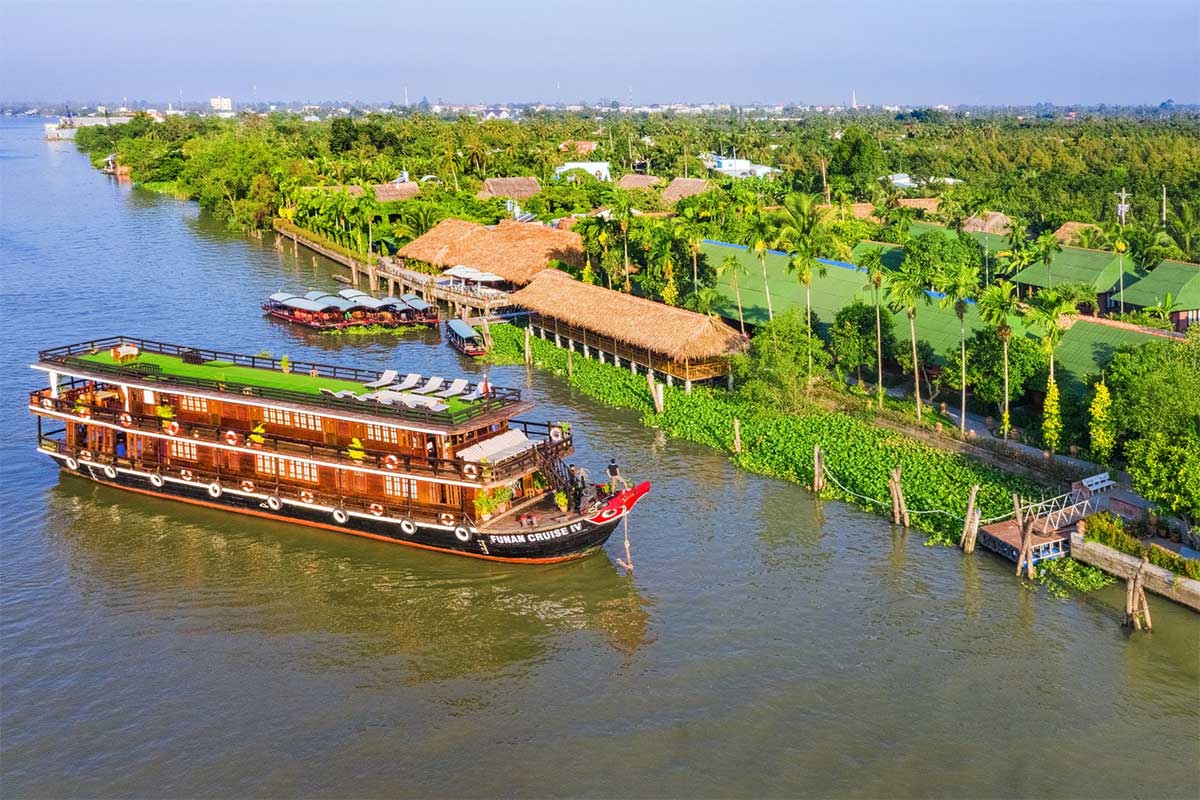
The Mekong Delta, a vast maze of rivers, canals, and swamplands, is a mesmerizing wonderland where life flows as languidly as the mighty Mekong itself. Imagine floating along the murky waters, surrounded by vibrant green rice paddies and palm-thatched houses, as you immerse yourself in the unique cultures and traditions of this captivating region.
A cruise through the Mekong Delta promises an unforgettable experience, one that tantalizes all your senses. As you glide past floating markets and quaint villages, you’ll be enchanted by the sights of locals going about their daily routines, from fishing and weaving to bartering their wares. Stopping at local workshops and farms, you’ll have the opportunity to witness firsthand the time-honored crafts and agricultural practices that have sustained this region for generations.
I vividly remember the warm hospitality of the locals, who welcomed us into their homes and shared their simple yet flavorful cuisine. The aroma of freshly brewed Vietnamese coffee and the taste of sweet-and-sour fish soup will forever linger in my memory, reminding me of the rich cultural tapestry that makes the Mekong Delta so special.
The best time to visit Mekong delta is during the dry season, from December to May, when the weather is pleasant and the waters are at their highest levels, making navigation easier. While a week-long journey allows you to fully immerse yourself in the region’s charms, even a few days can provide a satisfying glimpse into this fascinating world.
The Mekong Delta is a paradise for all types of travelers, offering accessibility and activities suitable for families, solo explorers, and even those with mobility challenges. Children will delight in the vibrant colors and friendly faces, while the elderly can enjoy the leisurely pace and cultural immersion.
A boat trip on Mekong river isn’t just a scenic cruise, it’s a full cultural immersion. Immerse yourself in the vibrant lifeblood of the Mekong Delta – think lush landscapes, charming villages, and a glimpse into the local way of life.
Now, here’s the catch: Mekong cruises aren’t available year-round, so planning is key. But trust us, the wait is worth it! You can even extend your journey to Cambodia’s captivating Phnom Penh or explore the wonders of Laos. To make your adventure truly unforgettable, we recommend combining your Mekong cruise with a land tour in Vietnam or Cambodia. Picture bustling markets, ancient temples, and delicious local cuisine – all within reach!
For an authentic culinary experience, don’t miss the chance to dine at local eateries like Quán Ăn Ngon in Cần Thơ, where you can savor regional specialties like bún cá (fish noodle soup) and bánh xèo (sizzling crepes). For accommodation, consider staying at eco-lodges or homestays like Mekong Rustic, which offer a genuine taste of Delta living.
As you plan your journey, remember to pack lightweight, breathable clothing, sun protection, and comfortable walking shoes. Respect local customs by dressing modestly, and don’t hesitate to ask your guide about any cultural norms or taboos.
The Mekong Delta is a true gem, offering a glimpse into a way of life that has endured for centuries. So, why not consider embarking on a private tour and allowing the river to guide you through this extraordinary realm? You’ll return home with memories that will forever transport you back to the enchanting waterways of the Mekong.
Ready to embark on your dream Mekong adventure? Asia Travel & Leisure is here to turn your travel dreams into reality. Contact us today and let’s craft the perfect itinerary!
Essential information
Known for: The Mekong Delta is known for its intricate network of rivers, canals, and swamplands, as well as its vibrant floating markets, rich cultural traditions, and unique way of life that revolves around the water.
Location: The Mekong Delta is located in southwestern Vietnam, where the Mekong River approaches and empties into the South China Sea.
How to reach: The Mekong Delta can be accessed by air, with international flights arriving in Ho Chi Minh City or Can Tho. From there, visitors can take a domestic flight, bus, or private transfer to the Delta region.
Recommended durations: A week-long journey allows for a comprehensive exploration of the Mekong Delta, but even a few days can provide a satisfying glimpse into this fascinating region.
Best time to visit: The dry season, from December to May, is considered the best time to visit the Mekong Delta. The weather is pleasant, and the waters are at their highest levels, making navigation easier.
Best things to do and see in Mekong Delta:
- Explore floating markets and witness local life along the waterways
- Visit local workshops and farms to learn about traditional crafts and agricultural practices
- Experience the warm hospitality of the locals and savor authentic regional cuisine
- Take a boat tour or cruise through the intricate network of rivers and canals
- Discover the region’s rich cultural heritage and historical sites
Where to stay: For an authentic experience, consider staying at eco-lodges or homestays like Mekong Rustic, which offer a genuine taste of Delta living. For more traditional accommodations, cities like Can Tho and Vinh Long have a range of hotels and resorts.
Learn about the Vietnam War
Vietnam has a rich and complex history, marked by the resilience and determination of its people in the face of numerous conflicts and wars. As one of the few nations to have successfully defeated powerful empires, the Vietnamese have a deep-rooted pride in their ability to overcome even the most daunting challenges.
For history buffs and those with a thirst for knowledge, Vietnam offers a wealth of opportunities to delve into the nation’s past and learn about the wars that have shaped its identity. Historic sites and museums across the country house a treasure trove of artifacts, exhibits, and stories that bring these pivotal moments to life.
One of the most iconic destinations is the War Remnants Museum in Ho Chi Minh City, which provides a sobering yet educational glimpse into the Vietnam War. Here, you can witness first-hand the devastating impact of the conflict through a collection of photographs, military equipment, and personal accounts.
In the heart of Hanoi, the Vietnam Military History Museum offers a comprehensive look at the country’s military exploits, spanning from ancient times to the modern era. Visitors can explore a vast array of exhibits, including tanks, artillery pieces, and aircraft, as well as learn about the strategies and tactics employed by Vietnamese forces.
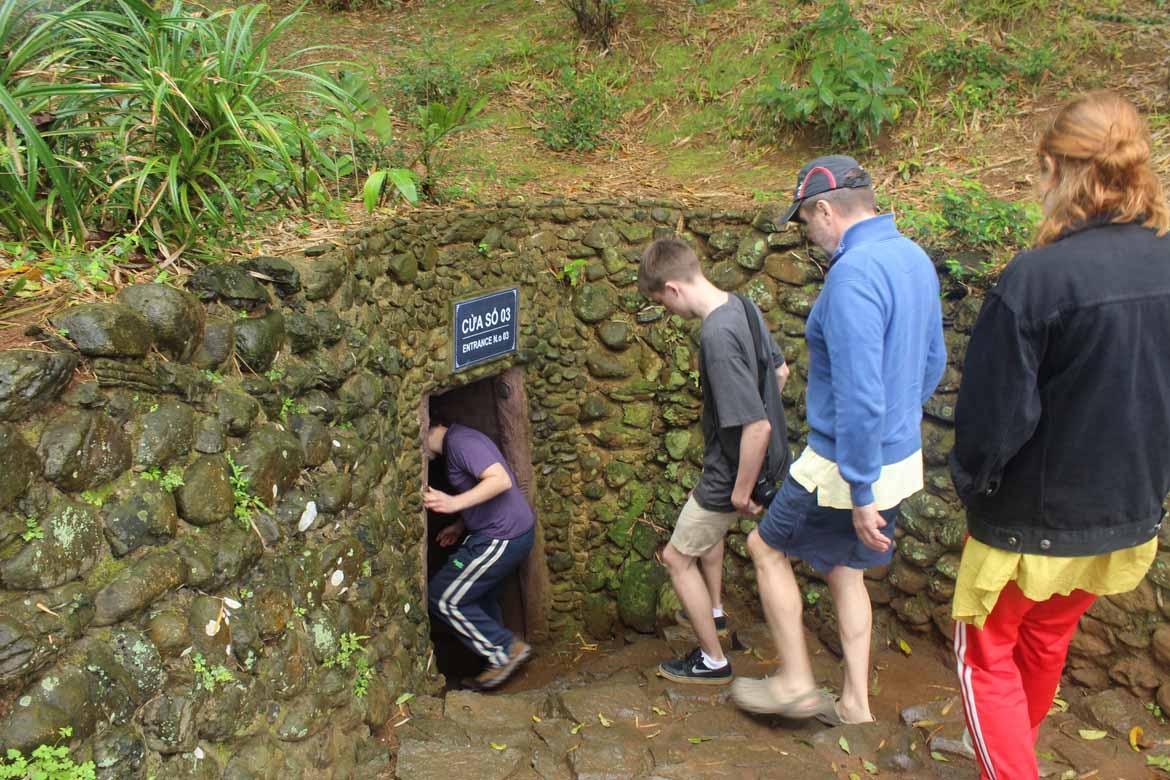
For those seeking a more immersive experience, the Cu Chi Tunnels, located just outside Ho Chi Minh City, provide a unique opportunity to explore the underground network used by the Viet Cong during the Vietnam War. Visitors can crawl through the narrow tunnels and gain insight into the incredible resilience and ingenuity of the Vietnamese people during this tumultuous period.
Whether you’re a history buff or simply seeking to broaden your understanding of Vietnam’s rich cultural tapestry, these historic sites and museums offer a captivating journey through the nation’s past, paying tribute to the sacrifices and triumphs of its people.
History buffs, buckle up! Vietnam’s a treasure trove for anyone wanting to delve into the Vietnam War. From harrowing battlefields to poignant museums, the country offers a powerful glimpse into this complex period. There are several significant sites scattered across Vietnam that offer a deep dive into the war’s history and impact. Here are some top picks for your history adventure:
- Vietnam Military History Museum in Hanoi: The museum displays a collection of weapons, aircraft, and exhibits that tell the story of Vietnam’s military history, including the Vietnam War.
- Hoa Lo Prison in Hanoi: Often referred to as the “Hanoi Hilton,” this prison was used by North Vietnam for holding prisoners of war, including American pilots shot down during bombing raids.
- Vietnamese DMZ (Demilitarized Zone): This area was the dividing line between North and South Vietnam during the war and is home to several historic sites, including the Vinh Moc Tunnels and Khe Sanh Combat Base.
- Vinh Moc Tunnels (Quang Tri):Similar to the Cu Chi Tunnels, the Vinh Moc Tunnels were a vast network used by North Vietnamese soldiers. What makes Vinh Moc unique is its depth – some sections go as deep as three stories underground and were designed to withstand even heavy bombing.
Khe Sanh Combat Base (Quang Tri):This former U.S. Marine Corps base was the site of a major battle during the Vietnam War. Today, it’s a museum that explores the history of the base and the fierce fighting that took place there. - Hue Imperial Citadel (Hue): While not solely focused on the Vietnam War, the Hue Imperial Citadel played a significant role during the Tet Offensive of 1968. Explore the ruins of this imposing citadel and learn about the pivotal battles that took place here.
- War Remnants Museum in Ho Chi Minh City: This museum houses a vast collection of artifacts, photographs, and stories that provide a comprehensive understanding of the war’s timeline.
- Reunification Palace: Also located in Ho Chi Minh City, this site is historically significant as it marks the end of the Vietnam War with the Fall of Saigon.
- Cu Chi Tunnels: An immense network of underground tunnels that played a crucial role during the war. Visitors can explore the tunnels and learn about the guerrilla warfare tactics used by the Viet Cong
Vietnam beckons you back, not as a soldier on the battlefield, but as a friend! At Asia Travel & Leisure, our professional and enthusiastic guides understand the sensitivities veterans may have when returning to Vietnam.
We’ve organized countless tours with sensitivity and respect, tailoring schedules for your comfort and inspiring the powerful emotions this journey may evoke.
That’s why we design personalized tours that go beyond historical sites. Imagine interacting with local people, or even meeting Vietnamese veterans who once stood on opposite sides. This is your chance to connect, share stories, and forge new friendships. Let’s transform the battlefields of the past into a foundation for peace and understanding. Contact us today, and let Asia Travel & Leisure help you plan your return to Vietnam as a friend.
Sample the delicious Vietnamese cuisine
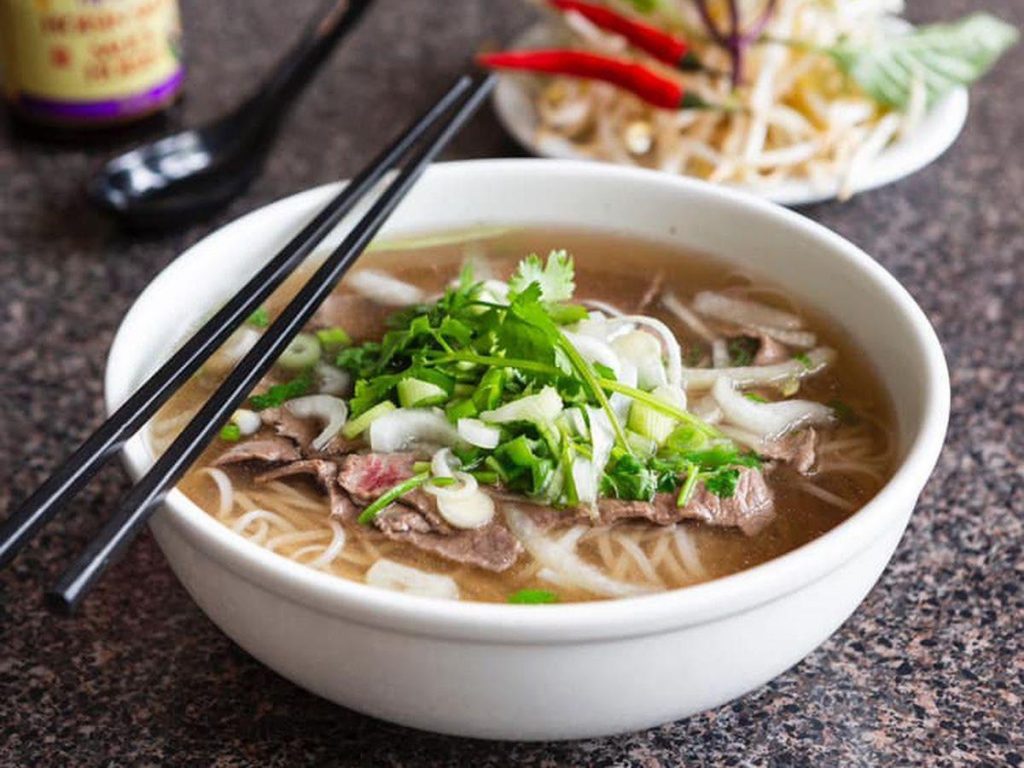
Vietnamese cuisine is a tantalizing harmony of flavors, where each dish is a symphony of tangy, sweet, salty, and spicy notes, often accompanied by aromatic herbs that tantalize the palate. It’s considered some of the best because it masterfully combines freshness with simplicity, creating dishes that are both flavorful and visually appealing. Embarking on a gastronomic adventure through Vietnam’s vibrant culinary landscape is an absolute must for every discerning traveler.
This Southeast Asian gem boasts a tantalizing array of dishes that harmoniously blend fresh herbs, aromatic spices, and a symphony of textures. From the iconic pho noodle soup to the mouthwatering banh mi sandwiches with a French twist, every bite unveils a burst of flavor that will leave you craving more. Traditional Vietnamese fare also includes classics like goi cuon, fresh spring rolls that epitomize the balance of texture and taste.
Explore the bustling street food scene, where vendors expertly craft delicacies like savory banh xeo crepes and fragrant banh cuon rolls. Indulge in the coastal regions’ bounty of seafood delicacies, from succulent grilled fish to zesty dipping sauces. Vietnam’s diverse geography, from the Mekong Delta to the northern highlands, gifts its cuisine with an abundance of fresh ingredients, involving regional specialties.
Vietnamese cuisine is typically healthy, as it incorporates a plethora of fresh vegetables, lean meats, and seafood, cooked in ways that preserve their nutritional integrity. Popular foods span from the ubiquitous pho to grilled meats like bun cha, usually enjoyed with a side of fresh herbs, rice noodles, and a splash of fish sauce. The healthiness stems from its minimal use of oil and generous use of fresh produce, making it a diet-friendly choice.
Finally, the impact of religion, particularly Buddhism, is seen in the prevalence of vegetarian options and the emphasis on fresh, balanced meals that cater to a spiritual as well as a physical nourishment. Vietnam’s culinary landscape is a true feast for the senses, offering an authentic and unforgettable dining experience that should top every foodie’s bucket list.
Here are some of the top Vietnamese dishes you simply can’t miss:
- Pho: This iconic noodle soup is a must-try, featuring a rich broth, rice noodles, and thinly sliced meat (often beef or chicken).
- Banh Mi: This delightful fusion sandwich combines a crispy baguette with savory fillings like pork, pate, pickled vegetables, and fresh herbs.
- Goi Cuon (Spring Rolls): Fresh and vibrant, these spring rolls are filled with a variety of ingredients like pork, shrimp, herbs, and rice noodles, all wrapped in a thin rice paper sheet and dipped in a flavorful sauce.
- Bun Cha: Grilled pork served with rice vermicelli noodles, fresh herbs, and a dipping sauce is a popular and satisfying dish.
- Bun Bo Hue: This spicy beef noodle soup from Hue is a flavor explosion, featuring a rich broth, rice noodles, beef, and various herbs.
- Banh Xeo: Savory crepes filled with shrimp, pork, bean sprouts, and herbs offer a delightful textural contrast.
Take a cooking class
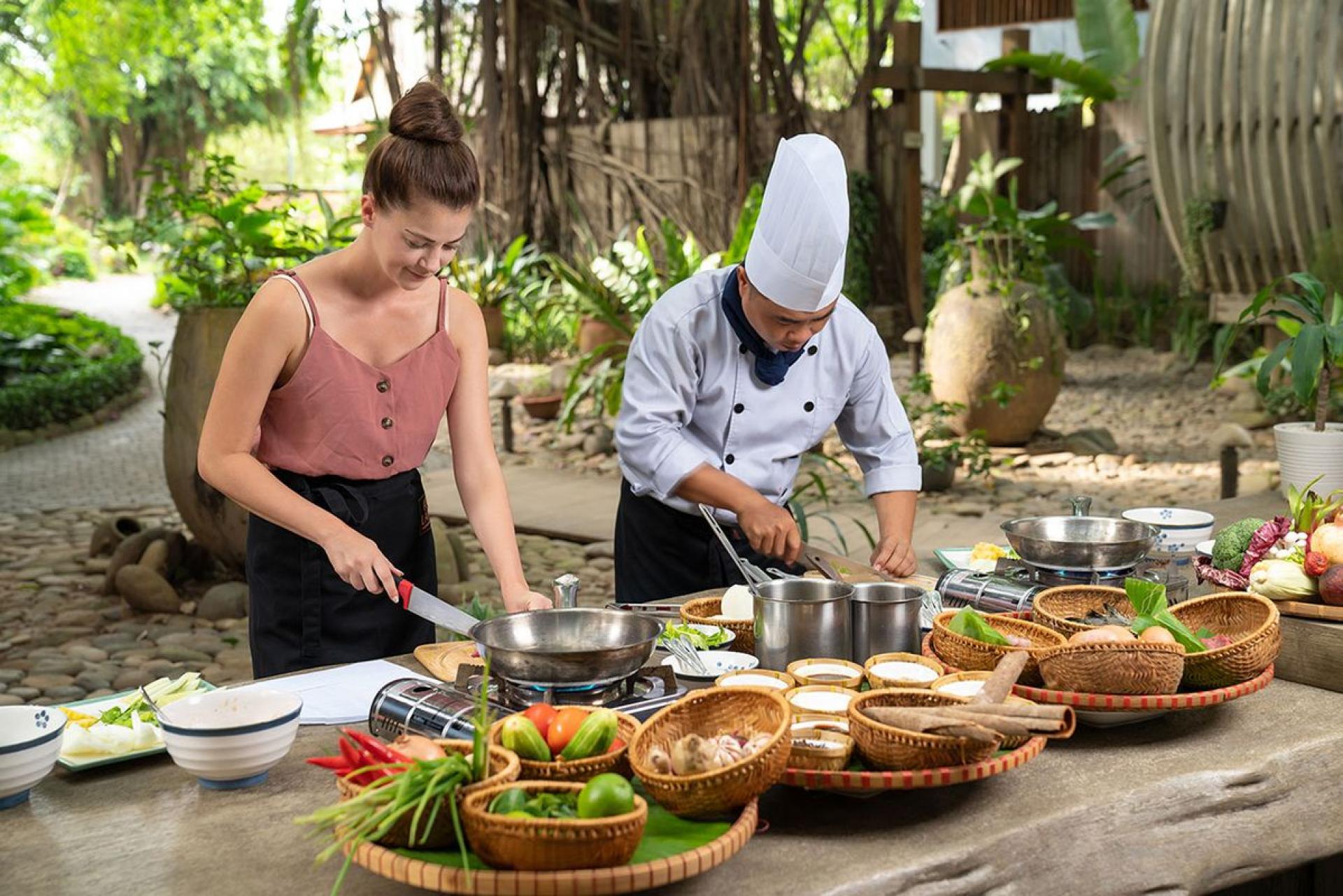
Immerse yourself in the vibrant flavors of Vietnam by partaking in a hands-on cooking class – an unmissable cultural experience for any traveler when travelling in Vietnam. From the bustling streets of Hanoi to the charming town of Hoi An, local chefs will guide you through the creation of iconic dishes like fragrant pho, delectable banh mi sandwiches, and fresh, flavorful spring rolls.
More than just a culinary lesson, these classes offer a delightful cultural exchange that tantalizes your taste buds. Venture into vibrant local markets, handpick fresh ingredients, and learn time-honored techniques that have been passed down through generations. As you cook alongside new friends, you’ll unveil the rich heritage and regional variations that make Vietnamese cuisine so beloved worldwide.
These immersive cooking experiences promise a journey filled with aromatic herbs, vibrant markets, and the joy of crafting traditional recipes that you can recreate at home, ensuring a lasting connection to Vietnam’s culinary traditions. Engaging all your senses, a Vietnamese cooking class provides more than just a meal – it’s a story to tell, a taste of authentic culture, and a memory that will linger long after your return.
Whether you’re a seasoned home cook or a complete novice, these classes cater to all skill levels, offering step-by-step guidance and tailored instruction. From bustling market tours to hands-on practice in professional kitchens, you’ll gain a comprehensive understanding of the ingredients, techniques, and cultural significance behind each dish. Savor the fruits of your labor during a seated meal accompanied by cultural insights and stories, leaving you with recipes and tips to recreate these flavors at home, ensuring a lasting memory of your delectable culinary adventure.
Go shopping at the local markets
Vietnam is a shopper’s paradise, offering a captivating blend of vibrant local markets and bustling shopping districts. For those seeking authentic souvenirs and gifts, a visit to the nation’s iconic markets is an absolute must. Prepare to immerse yourself in a whirlwind of colors, aromas, and lively bargaining as you navigate through the maze of stalls brimming with treasures.
Embark on a unique shopping adventure at one of Vietnam’s famous floating markets, where vendors sell their wares from traditional wooden boats, creating a mesmerizing scene on the water. The Cai Rang Floating Market in the Mekong Delta is a prime example, where you can witness the lively exchange of fresh produce, handicrafts, and more.
If you’re seeking a romantic experience, the Love Market in Sapa is a charming destination. Held every Saturday night, this lively gathering is where ethnic minority groups come together to socialize, trade goods, and perhaps even find their future partners, making it a fascinating cultural experience.
No matter which market you visit, be prepared to hone your bargaining skills. Haggling is an integral part of the shopping experience in Vietnam, and a friendly negotiation can often lead to incredible deals on everything from handcrafted souvenirs to vibrant textiles and locally-made goods.
Some of the most popular markets in Vietnam that tourists often visit include:
- Hanoi: Dong Xuan Market, Hanoi Weekend Night Market, Quang Ba Flower Market (Hanoi) – Wholesale flower market
- Sapa Love Market (Sapa) – Unique market focused on cultural exchange between ethnic minorities
- Bac Ha Market (Lao Cai) – Sunday market known for its colorful ethnic minority attire
- Ho Chi Minh City: Ben Thanh Market, Binh Tay Market
- Hoi An: Hoi An Night Market
- Hue: Dong Ba Market
- Da Nang: Han Market
- Nha Trang: Dam Market
- Phu Quoc: Duong Dong Night Market
- Can Tho: Cai Rang Floating Market
Whether you’re seeking unique handicrafts, authentic street food, or simply wish to immerse yourself in the local culture, Vietnam’s markets offer a captivating experience that should be at the top of every traveler’s list.
Take a motorbike tour or vespa tour
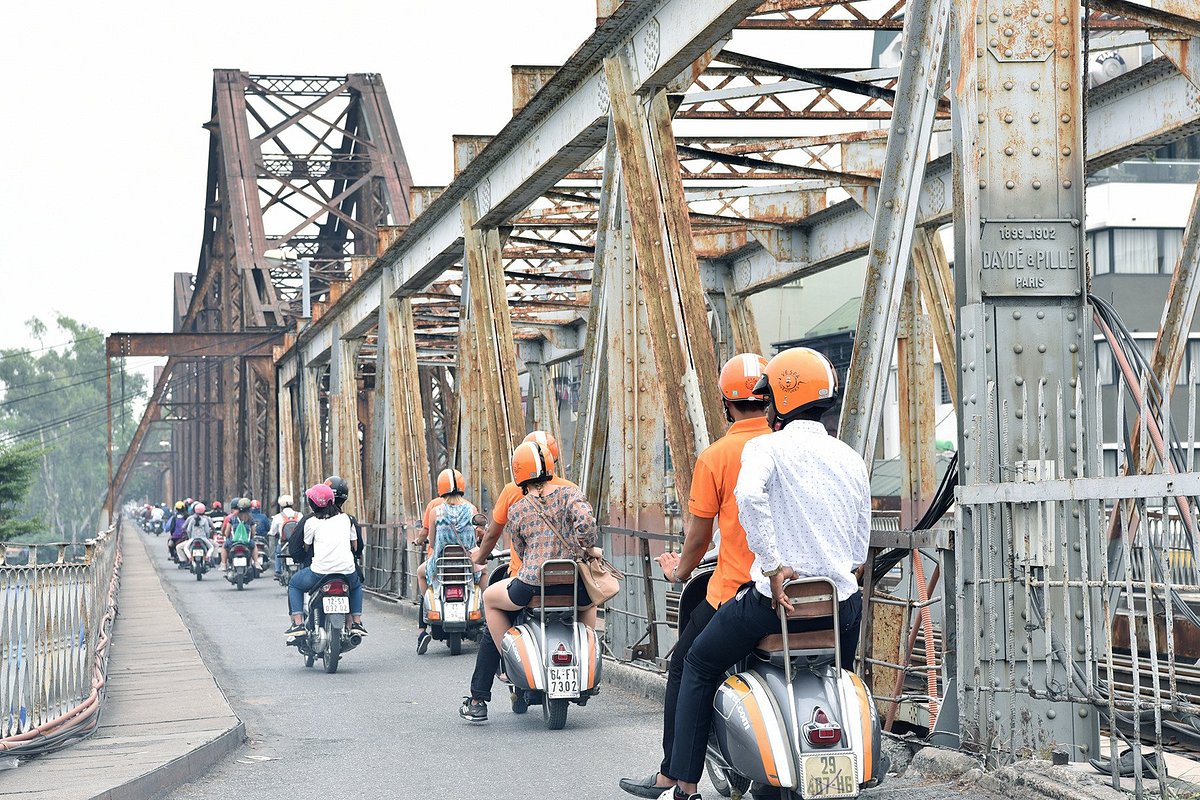
Unleash your spirit of adventure by embarking on a motorbike tour through Vietnam’s captivating landscapes and vibrant cities. Whether you prefer to experience the thrill behind the wheel with a skilled driver or navigate the winding roads yourself, this exhilarating journey promises unforgettable memories. Imagine weaving through the ancient streets of Hanoi or Hoi An, or conquering mountain passes that reveal breathtaking vistas of terraced fields and lush slopes. With a professional guide by your side, you’ll delve into the heart of local life, discovering hidden gems and savoring the authentic flavors of Vietnam along the way.
Or you can embrace the iconic charm of a Vespa tour, where our knowledgeable guides will whisk you away on a stylish adventure through bustling neighborhoods, verdant rice fields, and traditional villages. Perched on these classic Italian scooters, you’ll experience Vietnam’s vibrant tapestry of sights, sounds, and aromas in a truly unique way. Weave through narrow alleyways, pause to admire historic landmarks, and immerse yourself in the everyday rhythms of local life, all while cruising on these timeless two-wheeled icons.
These motorbike and Vespa tours present a unique opportunity to experience the Vietnamese countryside and local life in an intimate and unforgettable way. However, it’s crucial to consider certain factors before embarking on these adventures. Ensure that your health conditions allow for such an active experience, and if you plan to ride yourself, make sure you possess a valid international driving license recognized in Vietnam. Additionally, some tours may have weight restrictions, typically around 120kg (265 lbs), so it’s advisable to check with the tour provider beforehand to ensure a seamless and enjoyable journey.
Conclusion
From cruising the mythical Halong Bay to learning the art of Vietnamese cooking, your Vietnam adventure awaits! This diverse country offers a kaleidoscope of experiences, from bustling cityscapes to serene beaches and hidden caves.
Ready to start planning your Vietnam adventure today? Asia Travel and Leisure, a local Destination Management Company (DMC), can help you craft the perfect itinerary. We specialize in creating private tours that combine the best of Southeast Asia, including Vietnam, Laos, Cambodia, Thailand, and Myanmar. Let our local experts guide you through hidden gems and ensure a seamless travel experience.
So, pack your bags, embrace the spirit of adventure, and get ready to fall in love with Vietnam!
Other useful information about Vietnam:
- Currency: Vietnamese Dong (VND)
- Language: Vietnamese (English is widely spoken in major cities and tourist areas)
- Transportation: Within cities, taxis, ride-sharing services (like Grab, Uber are not available), and public buses are readily available. For longer distances, trains and domestic flights are convenient options. Renting a motorbike is also popular for exploring rural areas.
- Safety: Vietnam is generally safe for tourists, but it’s advised to take standard precautions and be mindful of your belongings, especially in crowded areas. Avoid walking alone at night in isolated areas and be cautious when crossing roads due to heavy traffic.
- Local customs: Dress modestly when visiting temples or religious sites, and remove your shoes before entering. It’s respectful to avoid public displays of affection and to use both hands when handing something to someone. Bargaining is common practice at local markets.
- Shopping: Vietnam is known for its tailor-made clothing, lacquerware, silk products, coffee, and handicrafts. Popular shopping destinations include the markets in Hanoi, Ho Chi Minh City, Hoi An, and Sapa. Be prepared to bargain for better prices
Share This Post















Welcome to Asia Travel & Leisure, your premier Southeast Asia DMC specializing in authentic B2B travel experiences across Vietnam, Laos, Cambodia, Myanmar, and Thailand.


