

Our Vietnam DMC Services
Key Vietnam Destinations for Group & MICE Travel
Asia Travel & Leisure is a professional Destination Management Company (DMC) in Vietnam, delivering structured ground handling and tailor-made programs for global travel partners. With operational teams in Hanoi and Ho Chi Minh City, we provide reliable execution across Northern, Central, and Southern Vietnam, as well as seamless extensions throughout Indochina and Southeast Asia.
Vietnam is one of Asia’s fastest-growing destinations, offering strong air connectivity, expanding luxury infrastructure, UNESCO heritage sites, coastline diversity, and competitive pricing structures. From Hanoi and Halong Bay to Hue, Hoi An, Da Nang, Ho Chi Minh City, and the Mekong Delta, the country supports scalable programs for leisure series, MICE, educational travel, and high-end FIT.
Our Vietnam DMC team manages the full operational chain: hotel contracting, transportation logistics, licensed multilingual guides, event coordination, CSR activities, study tours, and thematic travel programs. We handle both ad-hoc departures and long-term series operations with structured pricing models and 24/7 on-ground support.
For educational institutions, we design academic and cultural immersion programs with community engagement components. For corporate clients, we deliver incentive travel, conferences, and executive-level logistics. For tour operators, we provide dependable white-label services and commercially aligned product development.
Vietnam also serves as a strategic gateway to Indochina. With regional offices in Laos, Cambodia, Myanmar, and Thailand, we operate cross-border programs under one integrated management structure.
Partner with a Vietnam DMC that understands operational detail, regional integration, and long-term collaboration.
Hanoi
Formerly Thang Long, the “City of the Rising Dragon,” Hanoi became Vietnam’s official capital city in 1954 with the signing of the Geneva agreement. The city later suffered tremendously from the destruction caused by the American bombardments during the Vietnam War, and the end of the conflict marked a long period of withdrawal from the outside world. Only From the 1990s and the commencement of the Doi Moi economic freedoms did Hanoi open up to the rest of the world once again. Today, Hanoi is a capital of irresistible charm, at the meeting point of traditions and legends, dotted with lakes, tree-lined avenues, and lush parks
MORE INFORMATION
Multi-Country Combinations

Vietnam & Thailand Cultural Journeys
Seamless cultural programs linking Vietnam’s heritage hubs with Thailand’s key cities for group and incentive travel.
Vietnam & Laos Heritage Itineraries
Cross-border Mekong journeys combining Vietnam’s highlights with authentic Laos experiences.
Vietnam & Cambodia Discovery Tours
Integrated programs connecting Vietnam with Cambodia’s iconic cultural and historical landmarks.
Vietnam & Myanmar Packages
Multi-country group travel solutions linking Vietnam with Myanmar’s emerging destinations.
Grand Indochina & Southeast Asia Circuit
Comprehensive multi-country circuits across Vietnam, Thailand, Laos, Cambodia, and Myanmar.
Festival Calendar
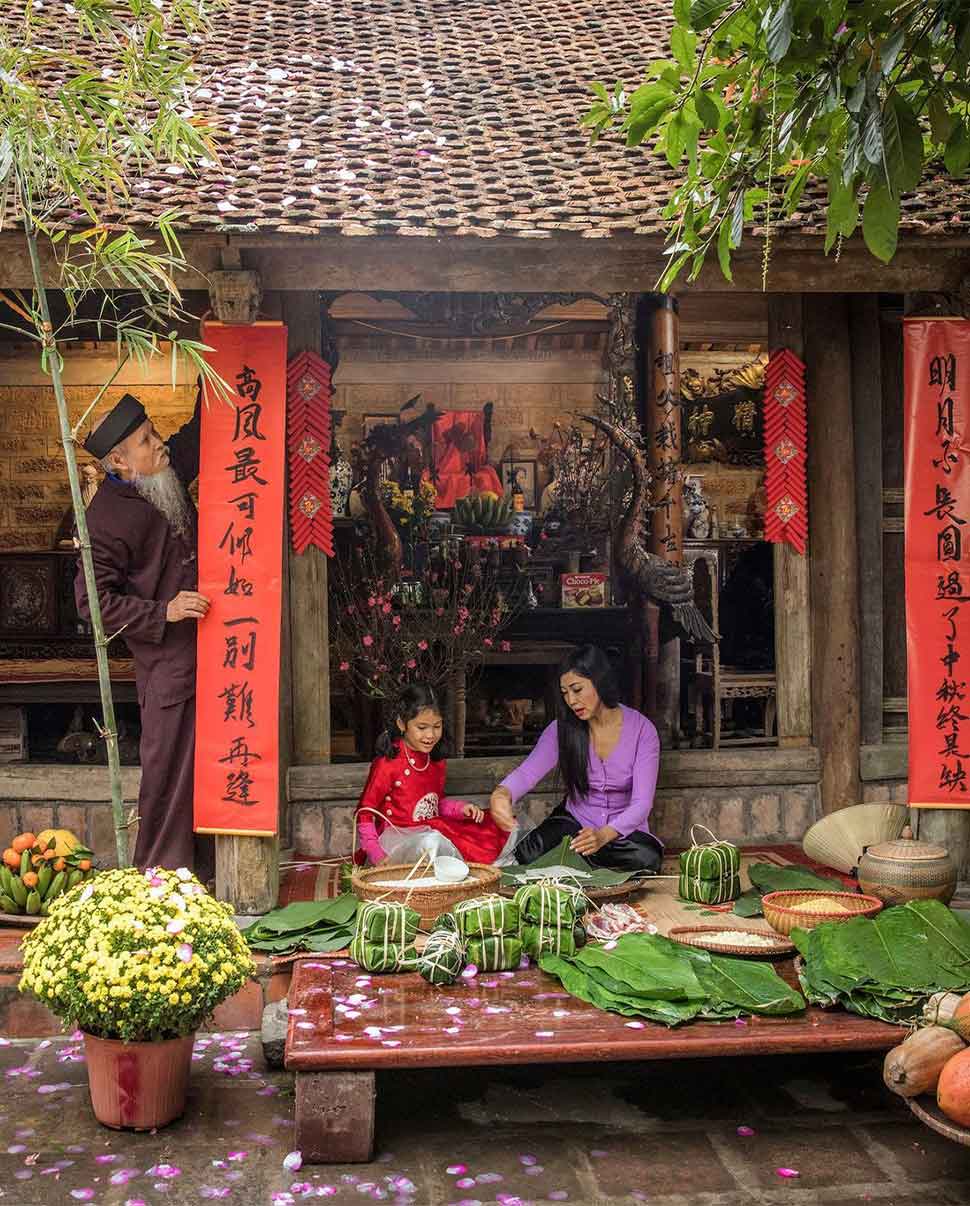
Tet Festival (Lunar New Year)
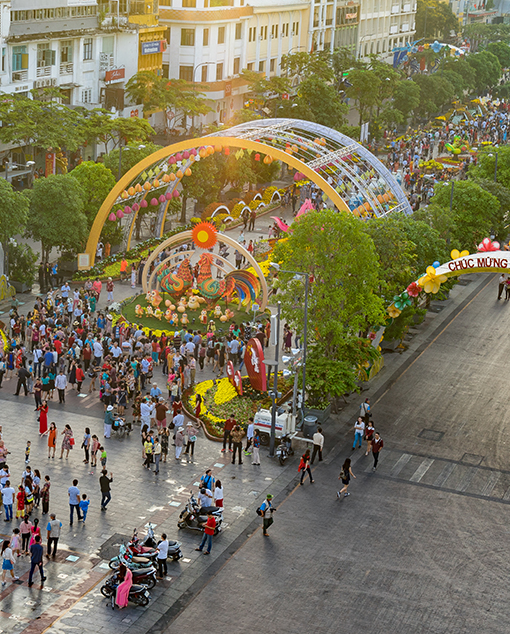
Nguyen Hue Flower Street Festival
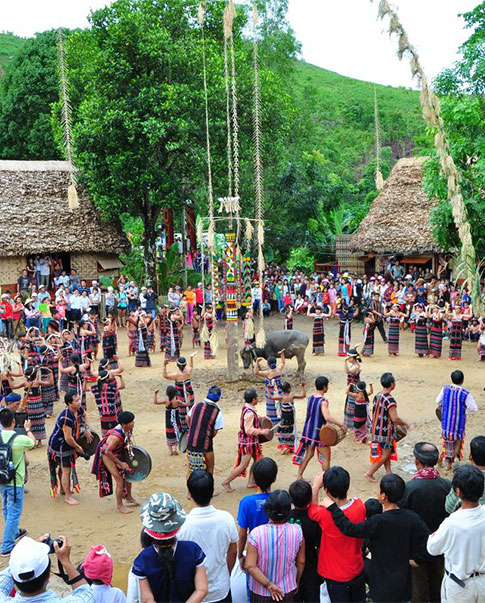
Roong Pooc Festival
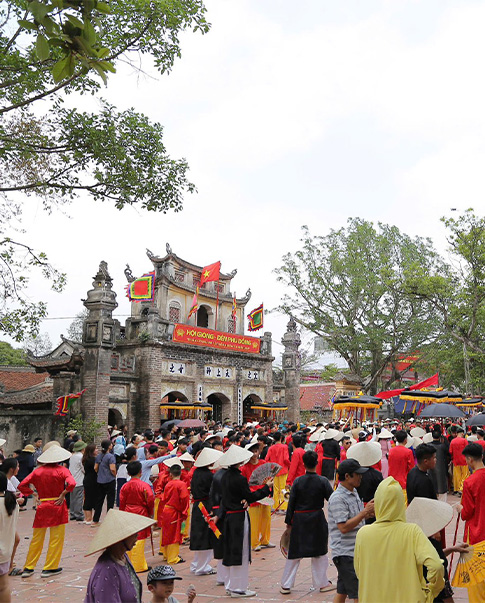
Giong Festival at Soc Temple
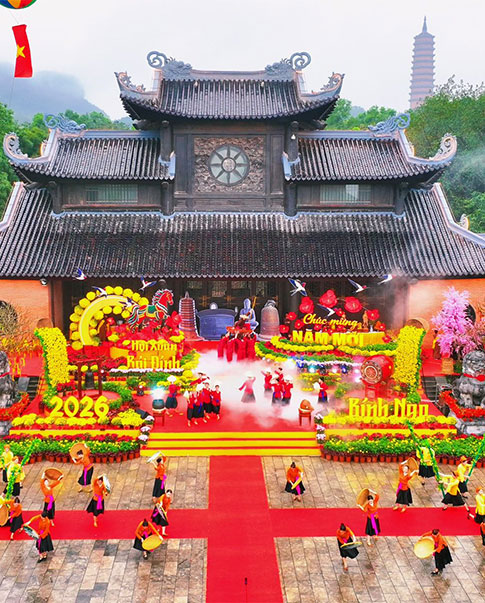
Bai Dinh Pagoda Festival
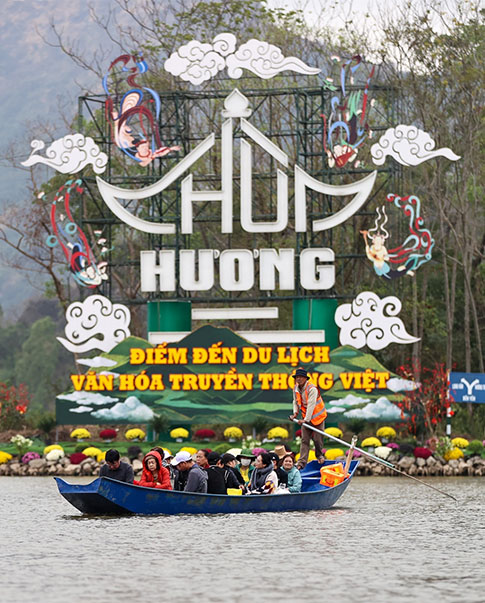
Perfume Pagoda Festival
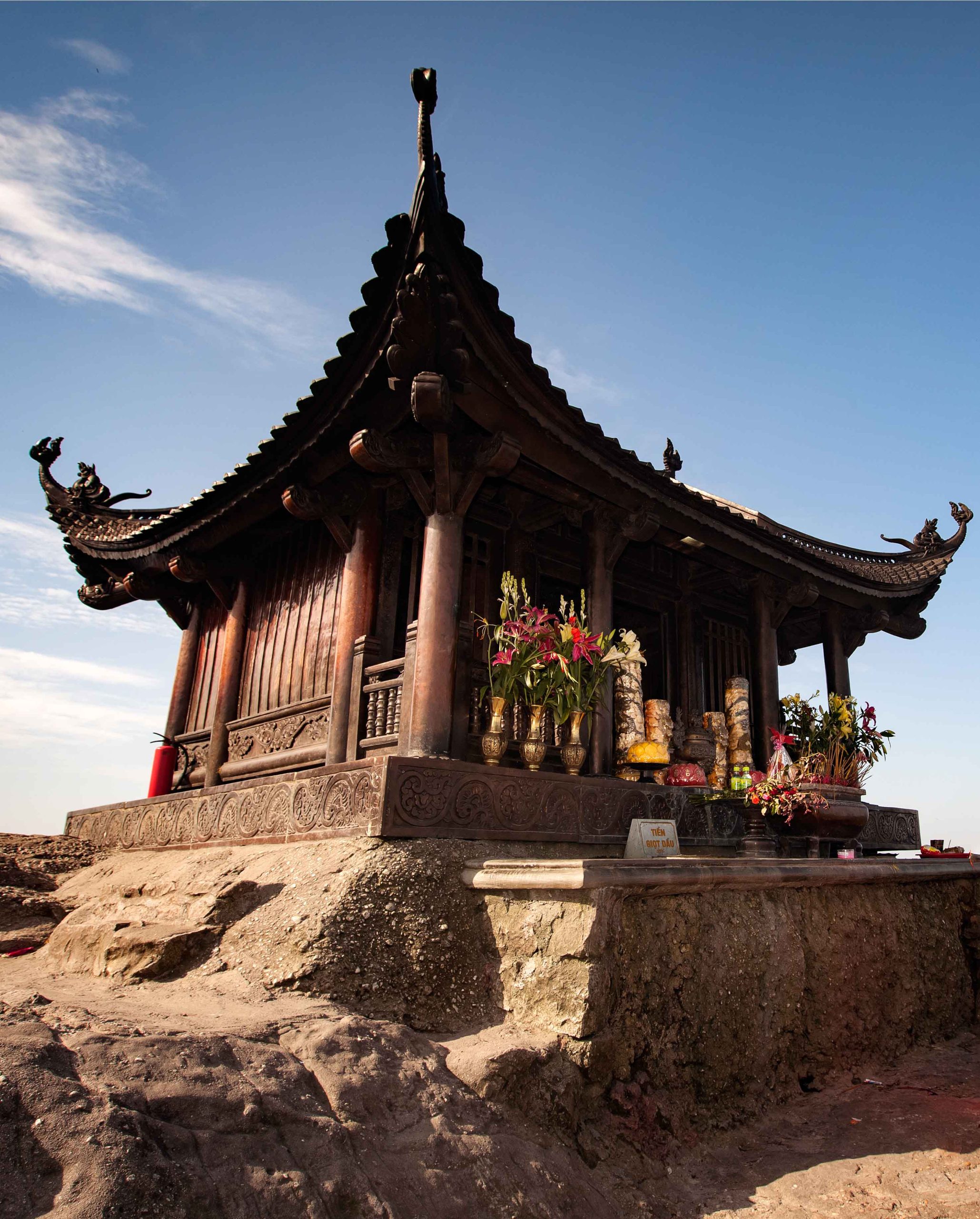
Yen Tu Festival
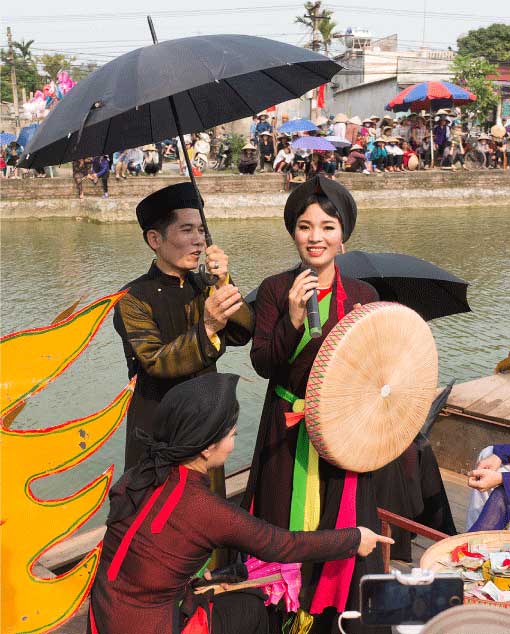
Lim Festival
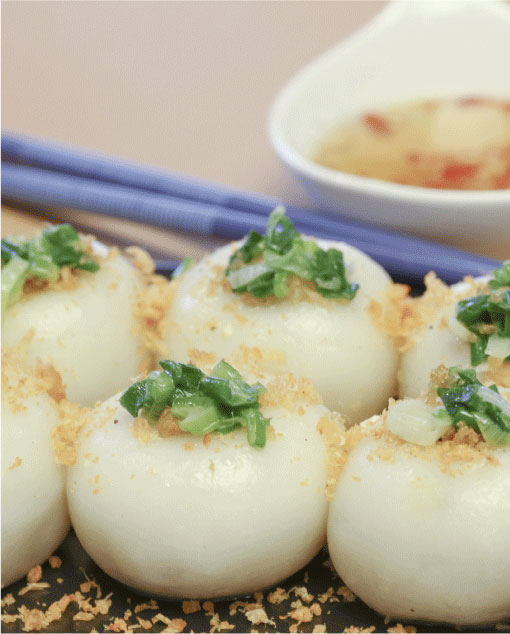
Tet Nguyen Tieu (Lantern Festival)
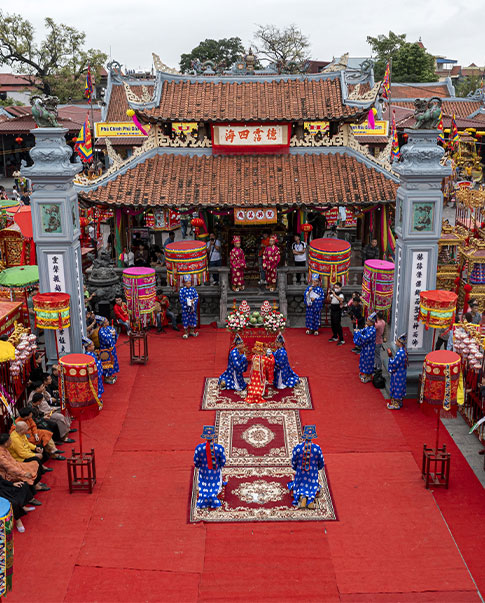
Phu Day Festival
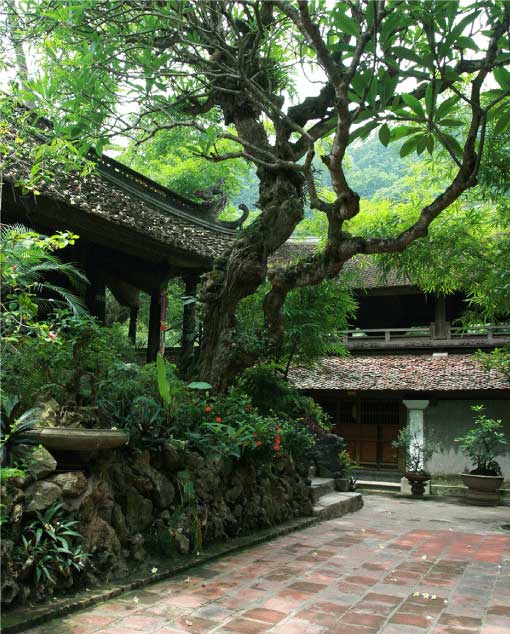
Thay Pagoda Festival
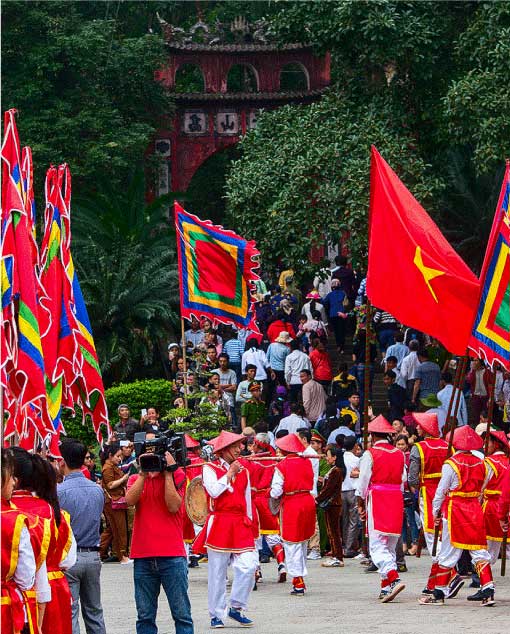
Hung King Temple Festival
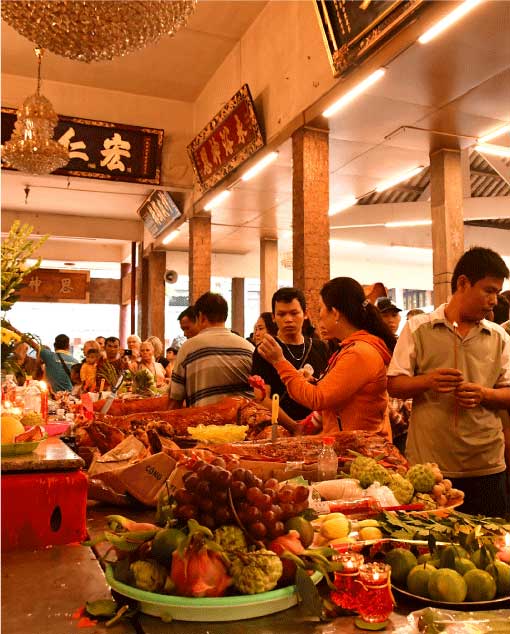
Ba Chua Xu Festival
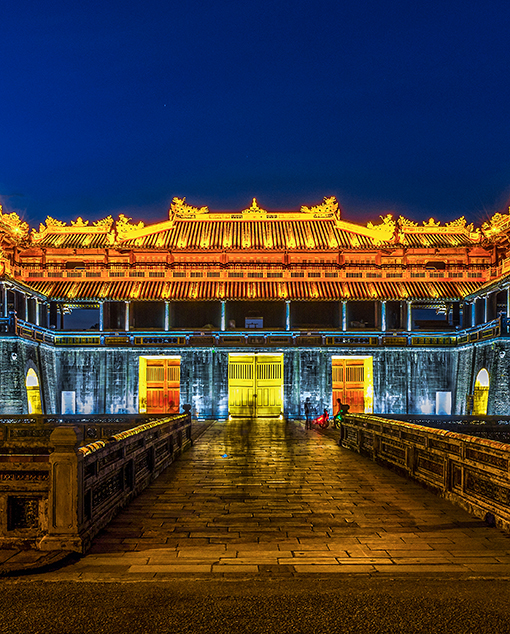
Hue Festival
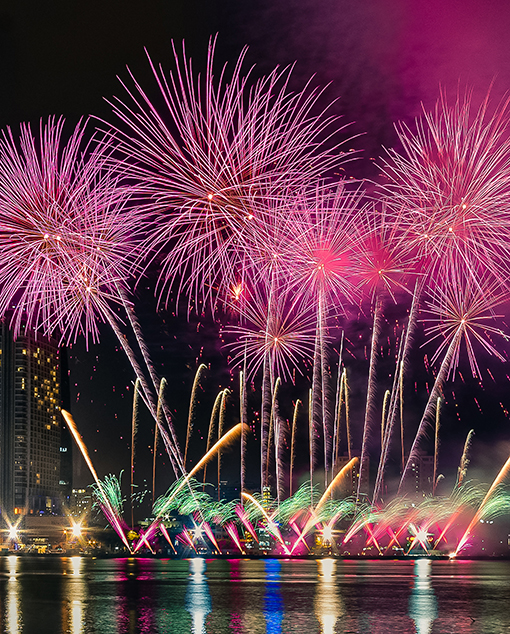
Danang International Fireworks Festival
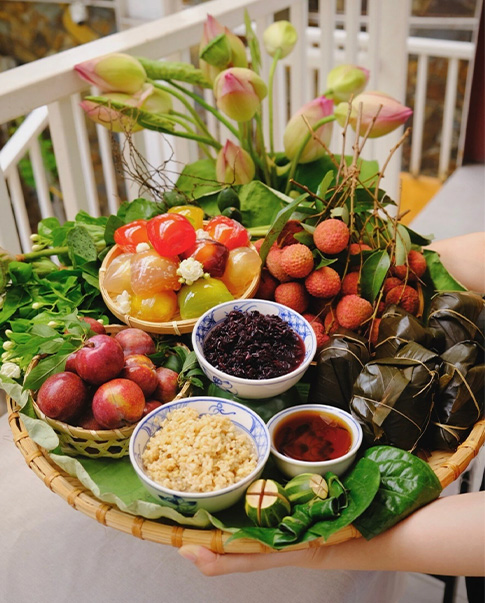
Doan Ngo Festival
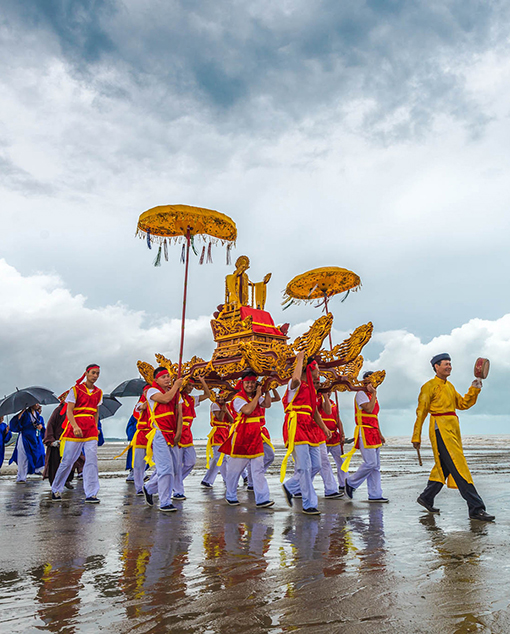
Tra Co Festival
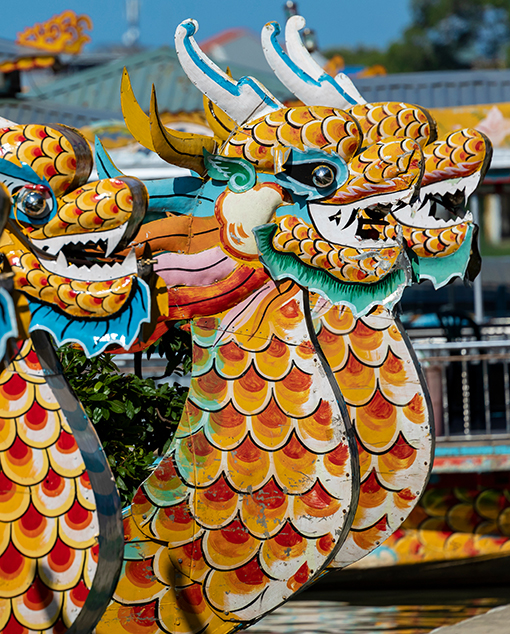
Long Chu Festival
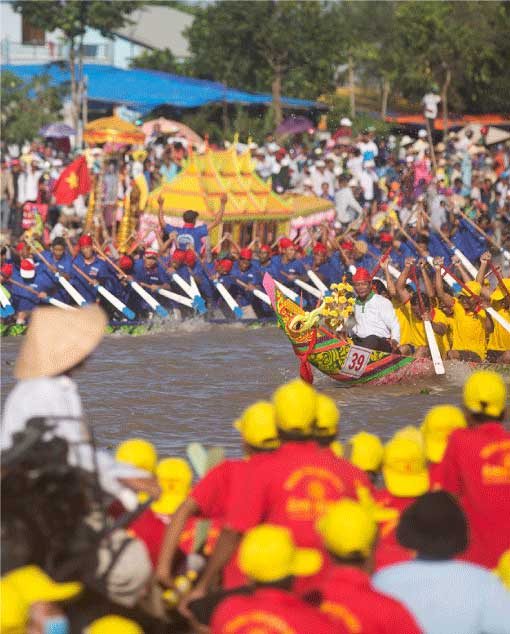
Ooc Om Boc Festival
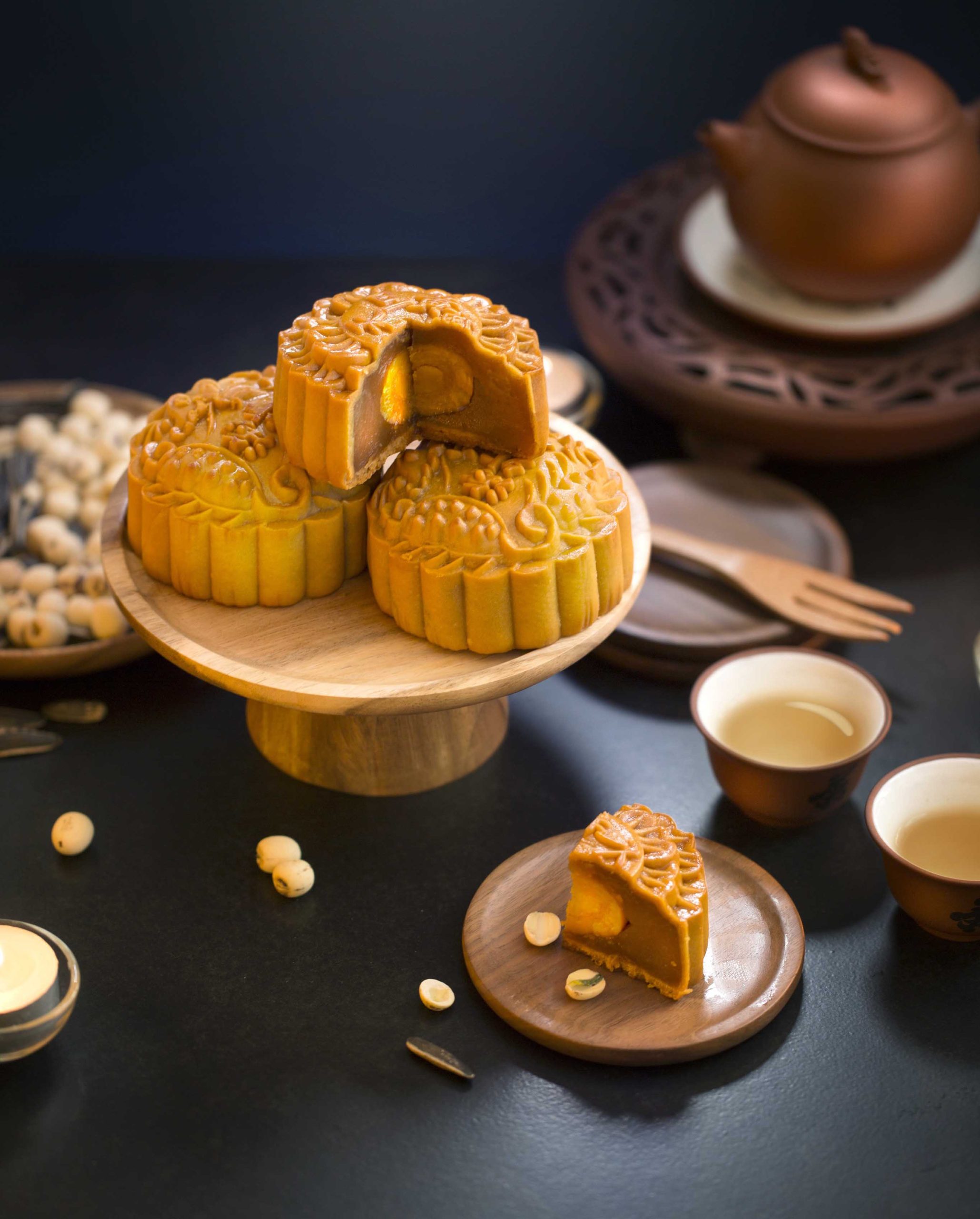
Mid-Autumn Festival
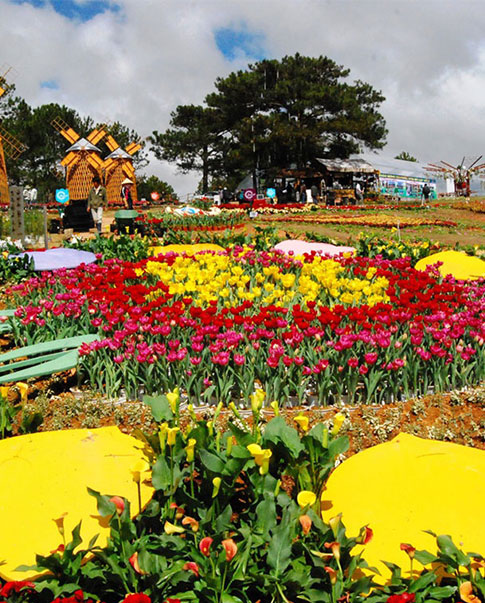
Dalat Flower Festival
Useful Information
Essential travel intelligence for seamless journeys across Vietnam. Explore visa requirements, seasonal insights, executive transport options, health guidance, and premium travel considerations designed for corporate delegations, incentive groups, and luxury clientele. Plan with confidence using up-to-date destination briefings curated for refined travel experiences.
Neighboring countries: China to the north; Laos and Cambodia to the west. The country has a long coastline along the East Sea / Biển Đông to the east and southeast.
Area: 331,211.6 km²
Population: 100,987,686 (2026)
Capital: Hanoi
Time Zone: GMT+7 hours (Indochina Time). Daylight saving time (DST) is not observed in Vietnam.
Religion: Catholic (6.10%), Buddhist (4.79%), Protestant (1.00%), Hoa Hao (1.02%), Cao Dai (0.58%), Other (0.19%); many people practice folk beliefs outside formal affiliation.
Language: Vietnamese
Currency: Vietnamese Dong (VND) (indicative: $1 ≈ 26,079 VND; rates fluctuate)
Electric plug used: 220 Volts at 50Hz. Plugs type A (two flat pins), type C, and type F (two round pins) are common. Many outlets are ungrounded; if your plug has three pins, you may need an adapter. Learn more in our guide to electric plugs and power adapters in Vietnam.
Visa Exemptions
Vietnam offers visa-free entry for selected nationalities under unilateral waivers and bilateral agreements. Eligibility and permitted length of stay depend on passport nationality and purpose of visit.
Visa-free stay durations (by nationality)
- Up to 90 days: Chile, Panama (typically for visits that do not involve remunerated activities).
- Up to 45 days: Belarus, Denmark, Finland, France, Germany, Italy, Japan, Norway, Republic of Korea (South Korea), Russia, Spain, Sweden, United Kingdom (not applicable to British National Overseas / BNO).
- Up to 45 days (Tourism Development Stimulus Scheme): Belgium, Bulgaria, Croatia, Czech Republic, Hungary, Luxembourg, Netherlands, Poland, Romania, Slovakia, Slovenia, Switzerland (valid from 15 August 2025 to 14 August 2028; tourism purpose under the programme).
- Up to 30 days: Cambodia, Indonesia, Kyrgyzstan, Laos, Malaysia, Singapore, Thailand, Kazakhstan (Kazakhstan note: visa-free stays must not exceed 90 days within any 180-day period).
- Up to 21 days: Philippines.
- Up to 14 days: Brunei, Myanmar.
Key conditions
- Your passport should have at least six (6) months validity beyond your arrival date.
- Immigration may request proof of onward/return travel and sufficient funds for the stay.
- Visa-free time is counted from the date of entry.
- UK passports: British National Overseas (BNO) passport holders are not eligible for Vietnam’s visa exemption and should arrange a visa in advance.
- Business travel (ABTC): APEC Business Travel Card (ABTC) holders may enter visa-free for up to 60 days per visit (subject to ABTC validity and the “VNM” economy code).
Electronic Visa (e-Visa) – Official fees: USD 25–50
Vietnam’s e-Visa can be used for trips where your nationality is not eligible for visa-free entry, when you need multiple entries, or when your itinerary exceeds the visa-free allowance.
- Validity: up to 90 days
- Entries: single-entry or multiple-entry
- Official fees: USD 25 (single-entry) / USD 50 (multiple-entry)
- Entry points: e-Visas are accepted at designated international air, land, and sea border gates.
Important: beware of fraudulent e-visa websites
To avoid scams and processing issues, travelers should apply only via the official Vietnam e-Visa portal: Vietnam National e-Visa portal (official application).
Most airlines flying within Vietnam and into major gateways offer a standard baggage allowance that commonly starts around 20kg for checked luggage and 7kg for carry-on. Allowances can differ significantly by airline, cabin class, route, and fare type (especially for promotional or “light” fares), so we recommend confirming the exact limits on your booking before departure - particularly for school groups, company trips, and large parties coordinating shared equipment or uniforms.
North
Northern Vietnam weather is defined by clear seasonal shifts. The hottest period is typically May to September, when heat and humidity rise and short, intense downpours are more frequent—especially around Hanoi and the Red River Delta. The cooler, drier window of December to February is ideal for mountain-focused itineraries in Sapa, Ha Giang, and the highlands, while March–April and October–November often bring comfortable temperatures for outdoor experiences and cultural touring (including Ha Long Bay cruises, subject to marine conditions).
Center
Central Vietnam climate follows a tropical monsoon pattern with the most reliable beach-and-heritage season commonly running from January to August, when days are generally sunnier and sea conditions are calmer around Da Nang, Hoi An, and Nha Trang. The main rainy and storm-risk period is typically September to December, when heavier rainfall can affect coastal travel and occasional typhoons may disrupt flights or sea activities. Weather can differ noticeably between the north-central and south-central coast, so we recommend checking the specific destination corridor when planning multi-city routes.
South
Southern Vietnam weather is warm year-round and is generally easiest to plan around two broad seasons. The dry season (December to April) is popular for city breaks and river journeys, making it a strong choice for Ho Chi Minh City, the Mekong Delta, and island stays such as Phu Quoc. The wet season (May to November) often brings brief, heavy showers—commonly in the afternoon—and occasional flooding in low-lying areas during peak months; with smart scheduling (earlier starts and indoor alternatives), it can still work well for groups and educational travel.
Explore seasonal planning tips and the best time to visit Vietnam here: Vietnam weather by region & best months to travel.
Flying into Vietnam
Vietnam is well connected by air, with dozens of international carriers linking key gateways such as Hanoi, Ho Chi Minh City, and Da Nang to major hubs across Asia, Europe, Australia, and the Middle East. For group travel (schools, company trips, and large delegations), we recommend selecting flights with flexible fare rules and clear baggage policies to simplify coordination.
Main international airports (with transfer guidance)
Noi Bai International Airport, Hanoi (HAN)
- Approx. 25–30 km from Hanoi’s central districts; allow ~45–60 minutes by road depending on traffic.
Phu Bai International Airport, Hue (HUI)
- Approx. 15 km from Hue city center; allow ~30–40 minutes by road.
Da Nang International Airport, Da Nang (DAD)
- Approx. 3–5 km from the city center; allow ~10–20 minutes by road (one of Vietnam’s most convenient airport transfers).
Cam Ranh International Airport, Nha Trang (CXR)
- Approx. 30–35 km from Nha Trang; allow ~40–60 minutes by road depending on your resort zone.
Tan Son Nhat International Airport, Ho Chi Minh City (SGN)
- Approx. 6–8 km from District 1; allow ~25–60 minutes by road (peak-hour congestion can be significant).
Phu Quoc International Airport, Kien Giang (PQC)
- Approx. 10 km to Duong Dong; allow ~15–30 minutes by road depending on your hotel location.
Getting to Vietnam by land (border crossings)
Vietnam can be entered overland from China, Laos, and Cambodia through designated international border gates. Requirements vary by nationality and entry point—for many travelers, an e-Visa is accepted at selected land borders, while others may require a visa arranged in advance. For group itineraries, we advise confirming the exact border gate on your visa approval before departure.
Common land borders from China: Mong Cai (Quang Ninh), Huu Nghi / Dong Dang (Lang Son), Lao Cai (Lao Cai)
Common land borders from Laos: Lao Bao (Quang Tri), Cau Treo (Ha Tinh), Cha Lo (Quang Binh), Tay Trang (Dien Bien), Na Meo (Thanh Hoa), Bo Y (Kon Tum)
Common land borders from Cambodia: Moc Bai (Tay Ninh), Tinh Bien (An Giang), Vinh Xuong (An Giang), Xa Xia (Kien Giang)
Domestic flights within Vietnam
Domestic air routes are frequent and time-saving for multi-city itineraries. Core operators typically include Vietnam Airlines (full service), VietJet Air (low-cost), and Bamboo Airways (selected routes; schedules can be seasonal), with additional capacity depending on current market operations. For large groups, early booking is recommended to secure contiguous seats and consistent baggage terms.
Getting around Vietnam by bus
Long-distance buses connect most major cities and tourist corridors. Travel time is best planned in hours rather than kilometers, as road conditions, urban congestion, and frequent stops can extend journeys. For school groups and company trips, private coaches are often the most efficient option for predictable timing, luggage handling, and duty-of-care control.
Vietnam rail travel (Reunification Railway)
Vietnam’s classic north–south railway (often called the Reunification Express) is a scenic, practical option for coast-hugging journeys and overnight travel. Popular routes include:
- Hanoi → Lao Cai (gateway for Sapa)
- Hanoi ↔ Hue / Da Nang (with easy access to Hoi An)
- Ho Chi Minh City ↔ Nha Trang / Quy Nhon / Da Nang / Hue
- Hanoi ↔ Ho Chi Minh City (full-length rail journey)
For upgraded onboard comfort on the Hanoi–Da Nang corridor, Vietnam Railways introduced higher-quality services on this route in recent years (availability may vary by season and operating plan).
Train classes (typical options):
- Hard Seat: basic, best for short daytime segments.
- Soft Seat: padded seating for improved comfort.
- Hard Sleeper: 6-berth open compartments; economical overnight option.
- Soft Sleeper: 4-berth open compartments; preferred for overnight comfort.
- VIP / Premium Sleeper (route-dependent): limited-cabin upgrades on select services; amenities vary by operator and carriage type.
Getting around Hanoi & Ho Chi Minh City
Taxis & motorbike taxis
Taxis are widely available, and motorbike taxis are a common way to move quickly in dense traffic. For transparent pricing and pickup accuracy, we recommend using ride-hailing apps such as Grab, which display the fare in advance and reduce the need for negotiation—especially helpful for first-time travelers and large-group coordinators.
Greetings & everyday interactions
- Addressing people respectfully matters in Vietnam. Age and seniority often guide how people use titles and pronouns, so locals may ask your age as a normal, polite way to choose the correct form of address.
- Keep your tone calm and friendly. A warm smile and patient communication go a long way, especially in busy markets or when clarifying prices and services.
In public spaces
- Photography: Ask permission before photographing individuals, particularly in rural areas, ethnic minority communities, and at religious sites.
- Personal space & public affection: Modest behavior is appreciated. Public displays of affection are uncommon, so it’s best to keep physical affection discreet.
- Queueing & courtesy: In crowded settings, move steadily and politely; avoid raised voices or confrontational bargaining.
Temple and pagoda etiquette in Vietnam
- Shoes: Remove shoes before entering worship areas where indicated (common at many pagodas, shrines, and temple halls).
- Dress code: Wear clothing that covers shoulders and knees. Lightweight long trousers/skirts and a sleeved top are the safest choice for all ages.
- On-site behavior: Keep voices low, avoid pointing feet toward altars, and do not wear hats inside main worship halls.
When invited to someone’s home
- Gift-giving: If offering or receiving a gift, using both hands is a respectful gesture.
- Dining manners: Avoid sticking chopsticks upright into a bowl of rice, as it resembles offerings associated with funerary rituals.
Ban on e-cigarettes and heated tobacco products
- Vietnam has introduced strict restrictions on e-cigarettes and heated tobacco products, including enforcement measures with penalties and mandatory destruction of the products (with enforcement actions taking effect from late 2025 and further business-related prohibitions implemented under updated regulations in 2026). Travel advice: Do not bring, use, or distribute vapes/e-cigarettes, heated tobacco devices, or related consumables while in Vietnam to avoid legal consequences.
For school groups and company trips, we recommend briefing travelers on local etiquette and current regulations before arrival to ensure a smooth, respectful experience.
National Currency
Vietnam’s official currency is the Vietnamese dong (VND).
Indicative exchange rate: $1 ≈ 26,309 VND (bank reference rate shown on 26 Feb 2026; market rates fluctuate daily and can vary by provider and payment method).
Currency exchange in Vietnam
Foreign currency exchange is widely available in major cities and tourist hubs. For the most transparent transactions, use licensed banks and authorized exchange counters (often found in central districts and larger hotels). Some exchange providers may apply different rates for worn or marked banknotes, so bring clean, undamaged notes to avoid deductions.
TIP FOR GROUPS: BRING NEW, CLEAN BANKNOTES. DAMAGED OR DIRTY NOTES MAY BE DISCOUNTED BY SOME EXCHANGE PROVIDERS.
ATMs and credit/debit cards
ATMs are common in cities and most tourist areas, and withdrawals are dispensed in VND. International cards (typically Visa and Mastercard) are accepted at many hotels, restaurants, and retail outlets, especially in Hanoi, Ho Chi Minh City, Da Nang, and major resort destinations. When using a foreign card, expect possible ATM fees and foreign transaction charges (from the ATM operator and/or your issuing bank).
Traveler cheques
Traveler cheques are now rarely used. If you rely on them, acceptance is typically limited to selected bank branches in large cities. We recommend carrying a backup payment method (cash + card).
Tipping in Vietnam
Tipping is not traditionally expected nationwide, but it is increasingly appreciated in tourism settings. For guided tours, drivers, and luggage handling, a modest tip is often welcomed. In casual local eateries, tipping is less common; in higher-end venues, service charges may already be included.
Temple donations
Many temples and pagodas have donation boxes near entrances or main halls. Small donations support site upkeep. If someone offers incense or a prayer “service,” you may politely decline if you do not wish to participate or pay.
Bargaining
Bargaining is part of the shopping culture in markets and some small independent shops. Keep negotiations friendly and respectful, and avoid haggling in stores with clearly marked fixed prices. A calm, polite approach generally leads to the best outcome.
Signature Vietnamese dishes and drinks travelers often enjoy (easy to find in cities, heritage towns, and most tour corridors):
- Vietnamese Coffee (Cà phê): Coffee culture is a daily ritual in Vietnam. Popular styles include iced coffee with condensed milk (cà phê sữa đá), plus regional favorites such as egg coffee in Hanoi and coconut coffee in the south.
- Bánh mì: A crisp, light baguette sandwich filled with savory options like grilled meats, eggs, pâté, pickled vegetables, chili, and fresh herbs - an ideal grab-and-go meal for tight sightseeing schedules and group travel days.
- Phở: Vietnam’s iconic noodle soup made with clear broth, rice noodles, herbs, and typically beef (phở bò) or chicken (phở gà). It’s widely available from early morning through late evening, from street stalls to restaurants.
- Bún chả: Grilled pork served with rice vermicelli, fresh herbs, and a tangy dipping sauce. This Hanoi specialty is a great lunch option and works well for groups when served in set menus.
- Bánh cuốn: Delicate steamed rice rolls filled with seasoned pork and wood ear mushrooms, often paired with Vietnamese ham and dipped in fish sauce. Commonly enjoyed at breakfast, but satisfying any time of day.
- Xôi (sticky rice): Glutinous rice served sweet or savory—often topped with mung bean, shredded chicken, pork floss, or fried shallots. A convenient, filling option for early starts, field trips, or travel days between cities.
- Bún bò Huế: A bold, aromatic noodle soup from Hue, typically featuring beef, pork, and a fragrant broth with lemongrass and chili. A must-try for travelers exploring Central Vietnam’s imperial heritage.
- Bánh xèo: A crispy turmeric-tinted rice pancake filled with ingredients like shrimp, pork, and bean sprouts, usually wrapped in leafy greens and herbs before dipping—fun, interactive dining that’s popular with groups.
Vaccinations
For most travelers, no routine vaccination is required to enter Vietnam. Yellow fever: a valid yellow fever vaccination certificate may be required if you arrive within a short window after departing or transiting a country with risk of yellow fever transmission (requirements depend on your travel history and immigration checks).
Travelers should be up to date on routine immunizations (as recommended in their home country), and consider travel vaccines based on itinerary, season, duration, and activities. Commonly recommended for Vietnam include Hepatitis A and Typhoid; additional vaccines that may be considered for some travelers include Hepatitis B, Japanese encephalitis, and Rabies (particularly for longer stays, rural travel, fieldwork, or close contact with animals). Arrange a travel health consultation at least 4-8 weeks before departure.
Health advice
- Hydration & heat: Vietnam can be hot and humid; drink fluids regularly and plan outdoor activities earlier in the day where possible.
- Water safety: Avoid tap water. Use sealed bottled water and be cautious with ice unless you are confident it is made from safe water.
- Hand hygiene: Wash hands frequently or use alcohol-based sanitizer, especially before eating and after public transport.
- Food choices: Choose food that is freshly cooked and served hot; peel fruit yourself; be cautious with raw salads and undercooked seafood.
- Mosquito bite prevention: Use repellent, wear long sleeves in the evening, and consider accommodation with screens/air-conditioning - especially important for school groups and outdoor-heavy itineraries.
- Listen to your body: If something tastes off or causes discomfort, stop eating and switch to safer options; seek medical advice promptly if symptoms persist.
Pre-departure checklist
Before traveling to Vietnam, ensure your passport has at least 6 months validity beyond your arrival date and that your visa / e-visa details match your entry point and travel dates. We strongly recommend comprehensive travel insurance (medical, trip disruption, and baggage) and a pre-travel medical consultation if you have chronic conditions, are traveling with students, or plan remote/outdoor activities.
What to pack: clothing & gear
- Lightweight, quick-dry clothing: breathable fabrics are best for Vietnam’s heat and humidity.
- Sun protection: long sleeves, a wide-brim hat, and UV protection are useful for city touring, boat days, and field visits.
- Temple-ready outfit: pack at least one set that covers shoulders and knees (ideal for pagodas, heritage sites, and formal visits).
- Evenings & highlands: bring a light jacket or pullover for cooler nights (especially in the north, mountains, or air-conditioned venues).
- Trousers for day trips: quick-dry long pants (zip-off styles are practical for mixed itineraries).
- Trekking clothing: lightweight long shorts or trekking pants; choose modest cuts for rural communities and school groups.
- Swimwear: modest swimwear is recommended for public beaches, family areas, and boat excursions.
- Rain readiness: a compact rain jacket or poncho helps during monsoon showers and for boat/river spray.
- Footwear: supportive walking shoes or light hiking boots for uneven pavement and trails; add sandals suitable for short transfers and water activities.
- Evening wear: one smart-casual outfit for restaurants, events, and group dinners.
Pharmacy & first-aid essentials
- Insect repellent and bite-relief cream (useful year-round; essential for outdoor itineraries).
- Hand hygiene: alcohol-based sanitizer and antiseptic wipes.
- Personal first-aid kit: plasters, blister care, bandage, antiseptic, and any personal items in travel-size containers.
- Pain/fever relief: paracetamol/acetaminophen is a common choice; avoid self-medicating with aspirin if dengue fever is a concern.
- Allergy/cold basics: antihistamines, lozenges, and cough relief as needed.
- Sunscreen: sweat-resistant SPF 30+ (plus lip balm with SPF).
- Digestive support: oral rehydration salts and anti-diarrheal medication for emergencies (use according to medical advice).
- Prescription medicines: carry in original packaging with a copy of the prescription (especially for group leaders and long stays).
- Antibiotics: bring only if prescribed by a clinician for your trip; follow professional guidance.
Why Partner with Asia Travel & Leisure
Established Since 2006
Long-term industry experience and stable supplier relationships.
Dual Vietnam Offices
Hanoi and Ho Chi Minh City for full north–south operational coverage.
Regional Office Network
Branches in Laos, Cambodia, Myanmar, and Thailand for multi-country control.
Direct Contracting Power
Strong hotel partnerships and competitive net rates.
24/7 On-Ground Support
Dedicated operations team for risk management and crisis handling.
White-Label B2B Services
We operate under your brand when required.
Multilingual Professional Team
Experienced in handling European, Australian, American, and Asian markets.
Sustainable & Responsible Approach
Community engagement and responsible tourism integration.




















Welcome to Asia Travel & Leisure, your premier Southeast Asia DMC specializing in authentic B2B travel experiences across Vietnam, Laos, Cambodia, Myanmar, and Thailand.


