

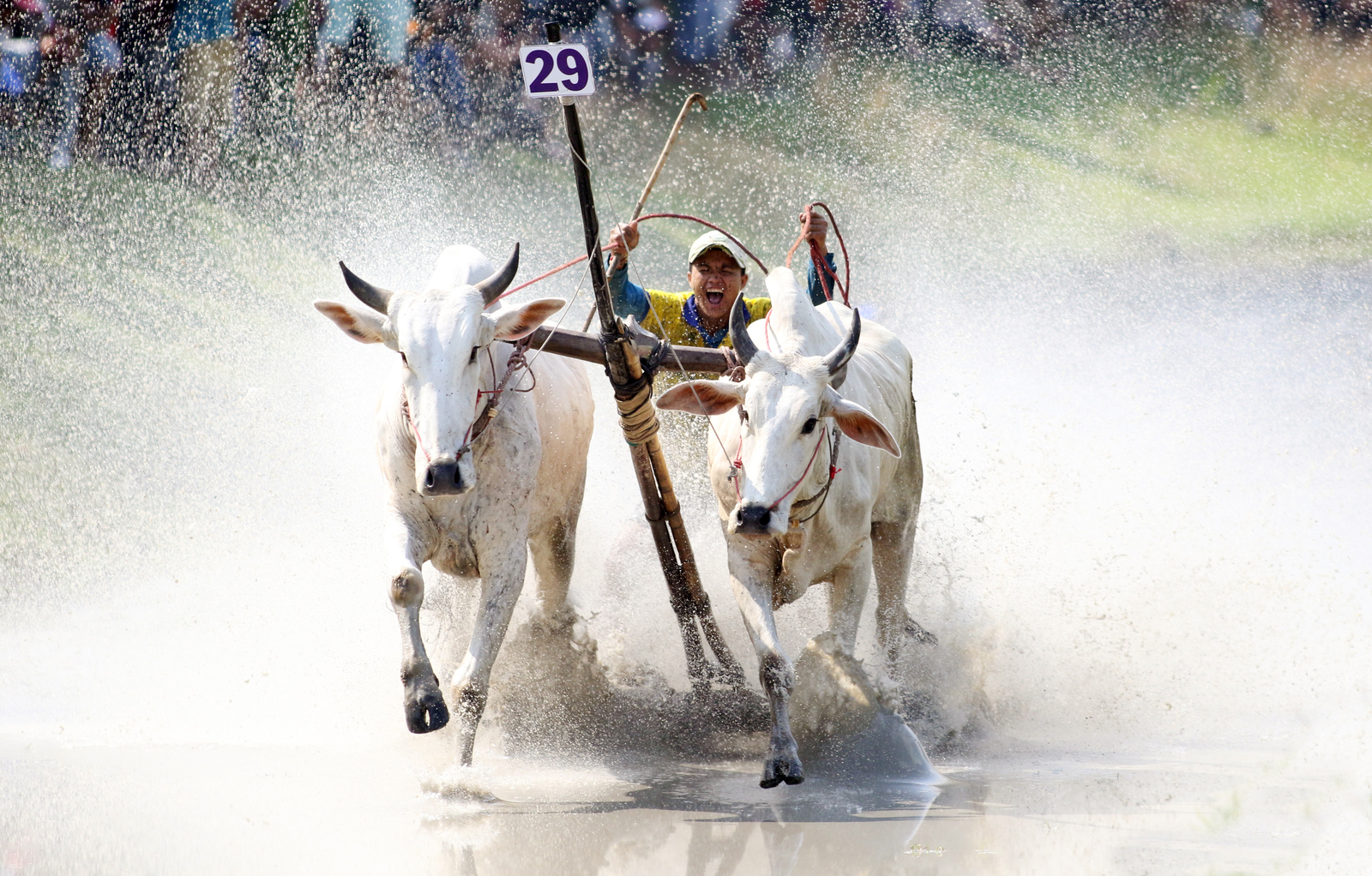
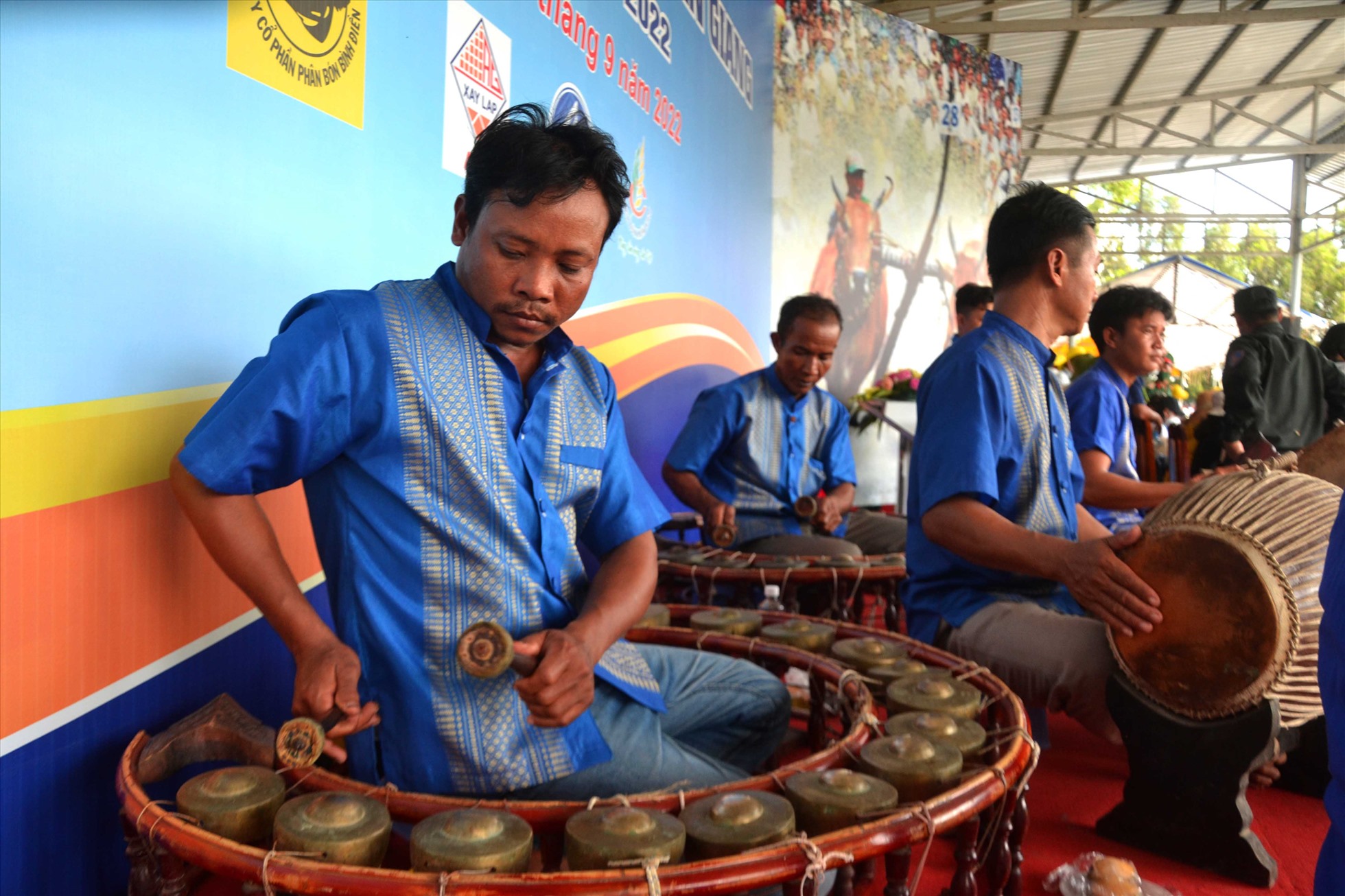
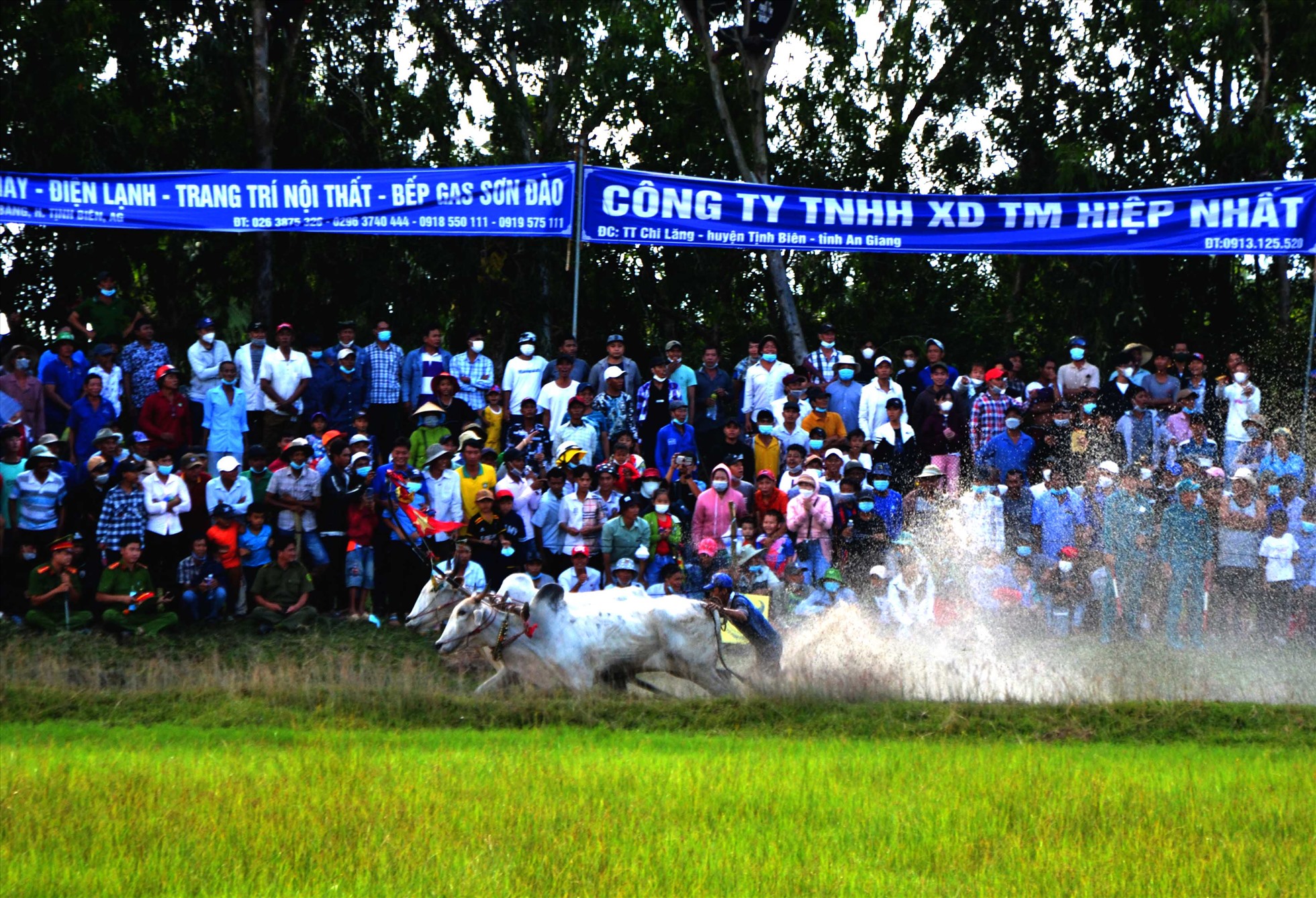
Mud erupts in heavy, wet arcs. Water sprays across the flooded paddy. Two pairs of massive oxen surge forward, their shoulders working in unified rhythm. Behind them, handlers balance precariously on narrow wooden planks, gripping reins and driving sticks as they slide across the slick earth. Drums pound. Thousands of spectators roar along the earthen banks.
This is the Bay Nui Ox Racing Festival (Hội Đua bò Bảy Núi). Far from a manufactured tourist attraction, this high-speed sprint across the flooded fields of Southern Vietnam is a visceral display of agricultural mastery. It represents a profound intersection of Khmer cultural identity, agrarian tradition, and ancestral reverence.
 The Shadow of the Seven Mountains
Geography dictates culture. An Giang province sits in the western reaches of the Mekong Delta, pushing up against the Cambodian border. The delta typically stretches out in endless, flat green plains. Here, however, the granite peaks of the Bay Nui (Seven Mountains) region rise abruptly from the earth.
For centuries, ethnic Khmer communities have cultivated rice in the lowlands surrounding these rugged hills. The terrain is demanding. Farmers rely on the monsoon rains and the enduring strength of their draft animals to turn the heavy soil. The ox is not merely livestock; it is the engine of the harvest, a vital partner in survival. This deep reliance bred a culture of respect for the animals, eventually evolving into the region’s most anticipated annual event.
 Sene Dolta and the Agricultural Cycle
The racing does not happen in a vacuum. It is intrinsically tied to Sene Dolta, a major Khmer festival observed in late September or early October. Sene Dolta honors ancestors, parents, and departed relatives. It is a time for quiet reflection, family gatherings, and visits to local pagodas to offer food, pray for blessings, and ensure a prosperous harvest.
Historically, the ox racing began organically during this solemn period. As farmers finished the arduous task of plowing the fields for the autumn-winter rice crop, they brought their finest working cattle to the pagoda lands. Monks and village elders would evaluate the healthiest animals. Farmers challenged each other to impromptu races across the freshly tilled mud. What started as an end-of-season agricultural chore transformed into a communal celebration, marking the transition between intense labor and the anticipation of the harvest.
 The Anatomy of the Race
Today, the Bay Nui Ox Racing Festival is a highly structured competition, yet it retains its raw, agrarian mechanics. Handlers, known locally as tài xế, spend months conditioning their cattle. The chosen oxen are pampered. Owners feed them specialized diets-often supplementing prime grasses with eggs, coconut water, and carefully measured nutrients to build stamina.
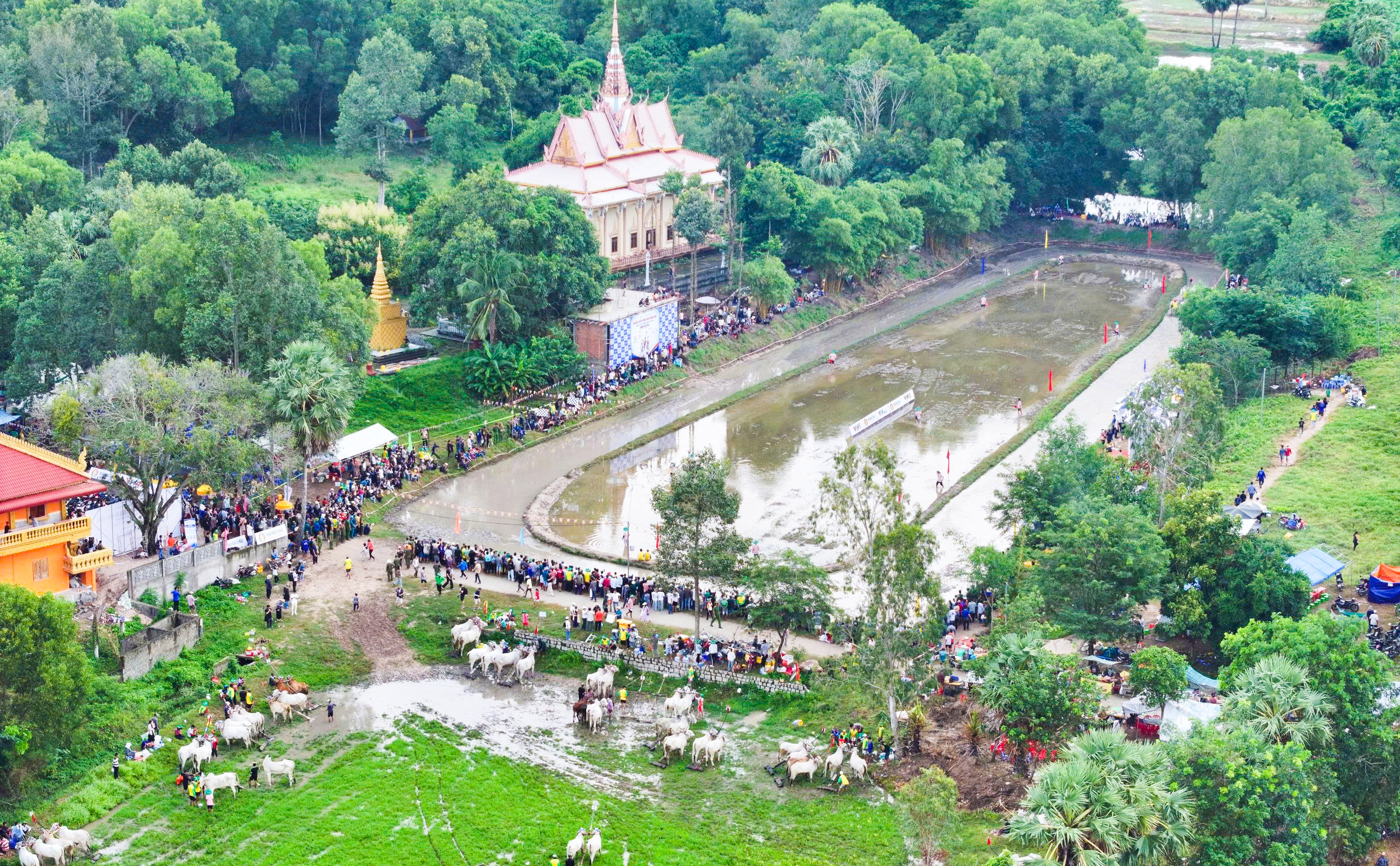
The racetrack is a long, rectangular rice paddy, flooded with a shallow layer of water and bounded by elevated earthen dikes. Preparing the field requires precision; the mud must be deep enough to cushion the animals but firm enough to provide traction.
The mechanics of the race mirror traditional farming techniques. The oxen pull a flat wooden platform designed to simulate a heavy agricultural harrow. The handler stands barefoot directly on this narrow plank. He controls the team using a simple harness system and a short driving stick.
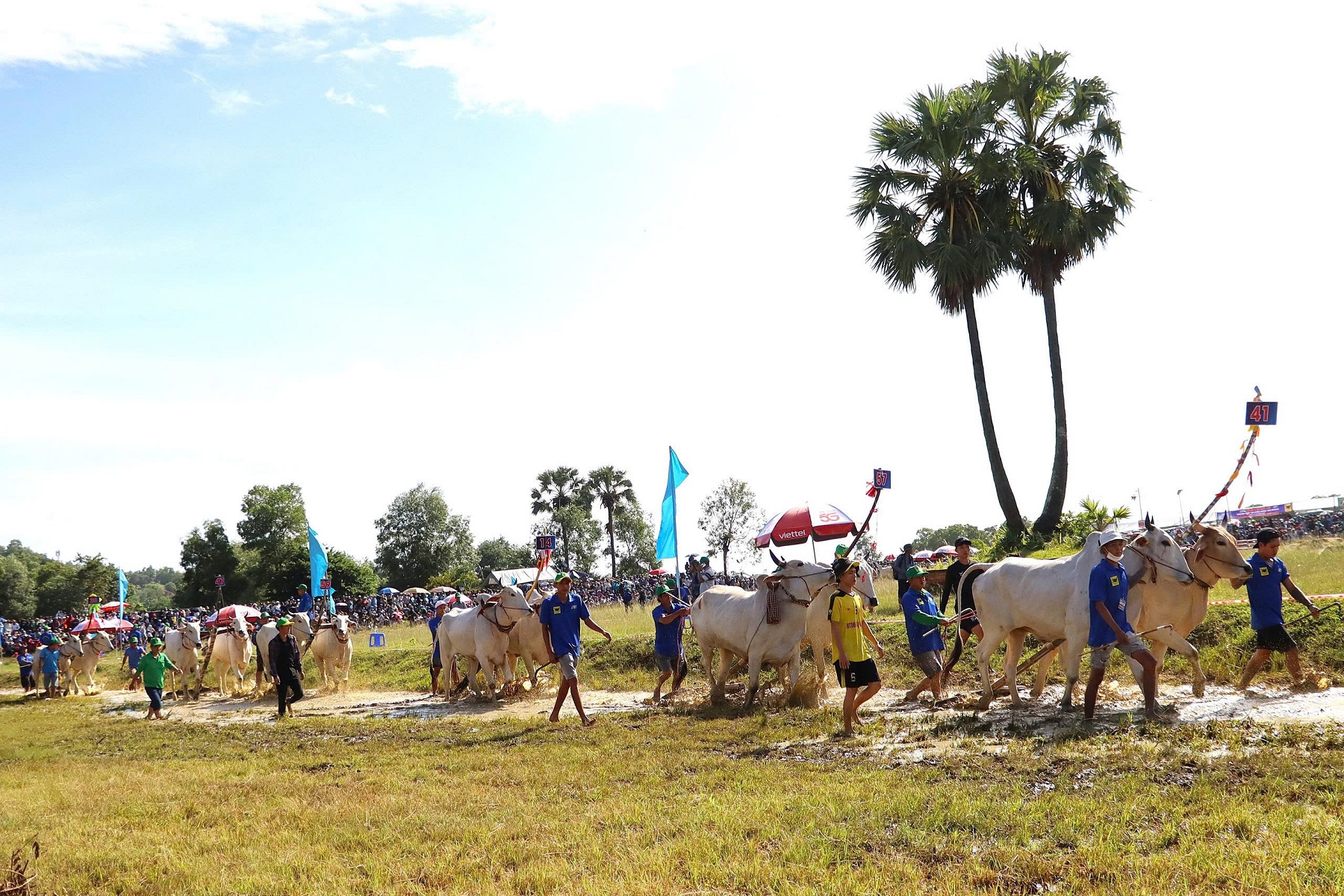
The competition unfolds in heats, operating in two distinct phases. Each race begins with the hô round-a slow, deliberate lap where the competing pairs walk side-by-side. This phase demands extreme discipline. The handlers must keep their animals aligned, conserving energy while positioning them for the break. Then comes the thả round. The sprint.
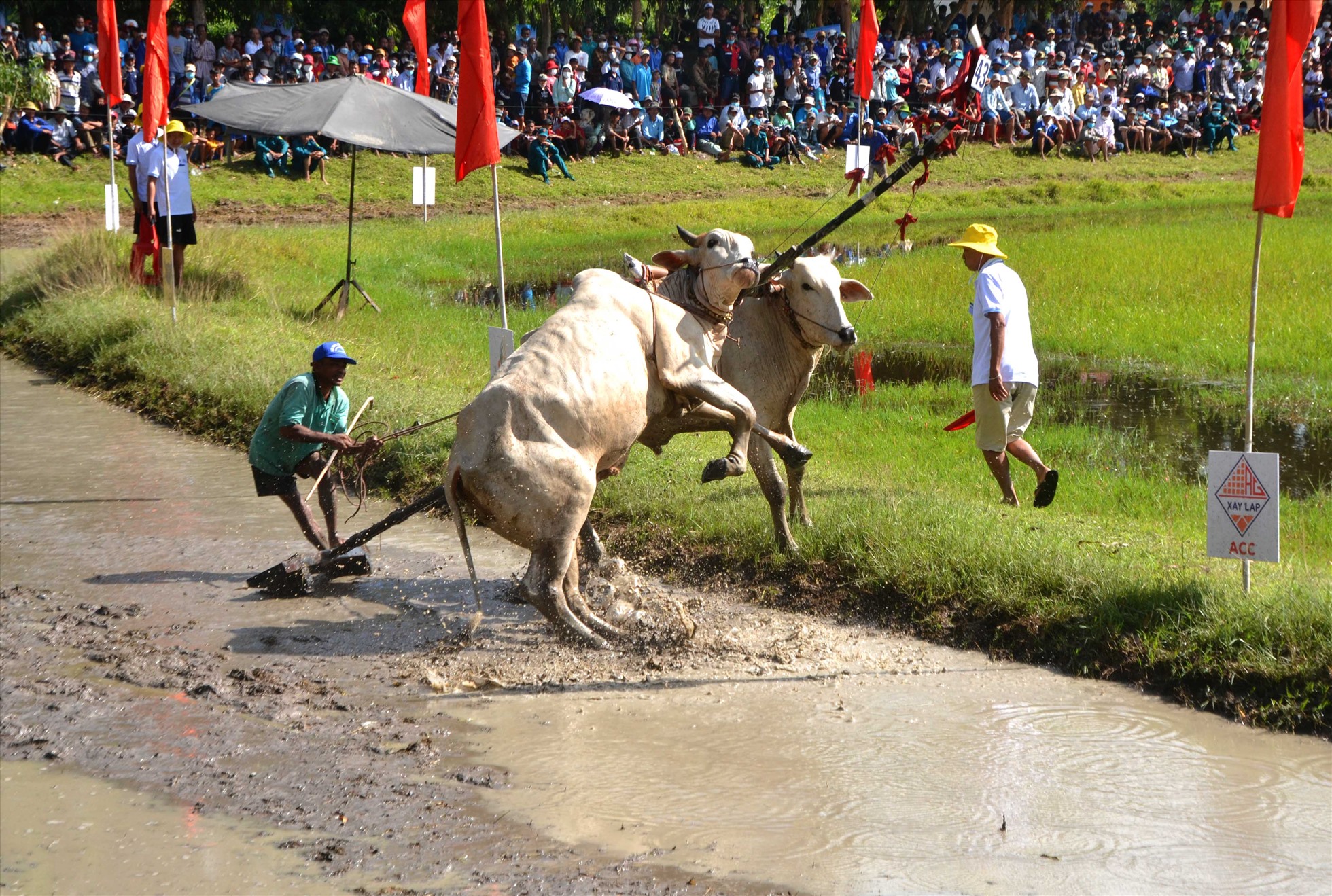
Upon crossing the designated marker, the handlers crack their sticks. The oxen instantly accelerate. Control becomes dangerous and highly precarious. The handler must shift his body weight constantly to keep the sliding harrow from flipping. If a handler falls, or if his oxen step out of the designated track limits, the team faces immediate disqualification. Speed generates the thrill, but flawless balance determines the victor.
 Community Pride and Cultural Preservation
In 2016, Vietnam officially recognized the festival as a National Intangible Cultural Heritage. This designation acknowledged what the local Khmer community already knew: the race is a vital repository of their identity.
The competition is fierce because the stakes are deeply personal. A winning pair of oxen brings immense pride to the owner, the handler, and the entire village. These champion animals are never sold for meat. They become local legends. Owners view them as bearers of good fortune and keep them as prized assets, often passing down the lineage and the specialized training knowledge to the next generation.
The scale of the event continues to expand. The 30th edition in 2025 drew 64 racing pairs and a massive crowd exceeding 20,000 spectators. The momentum remains strong in 2026. The competitive season kicked off on September 13, 2026, when crowds gathered at the Chua Ro pagoda in An Cu Commune for a vital traditional preliminary race. This local event set the stage for the regional championship. The highly anticipated 31st official Bay Nui Ox Racing Festival is scheduled for October 10, 2026, returning to the dedicated racing field near Tho Mit Pagoda in An Cu.
 A Different Side of the Delta
For international travelers venturing to An Giang, the festival offers a stark contrast to the standard Mekong Delta narrative. It replaces the quiet imagery of floating markets and fruit orchards with raw kinetic energy.
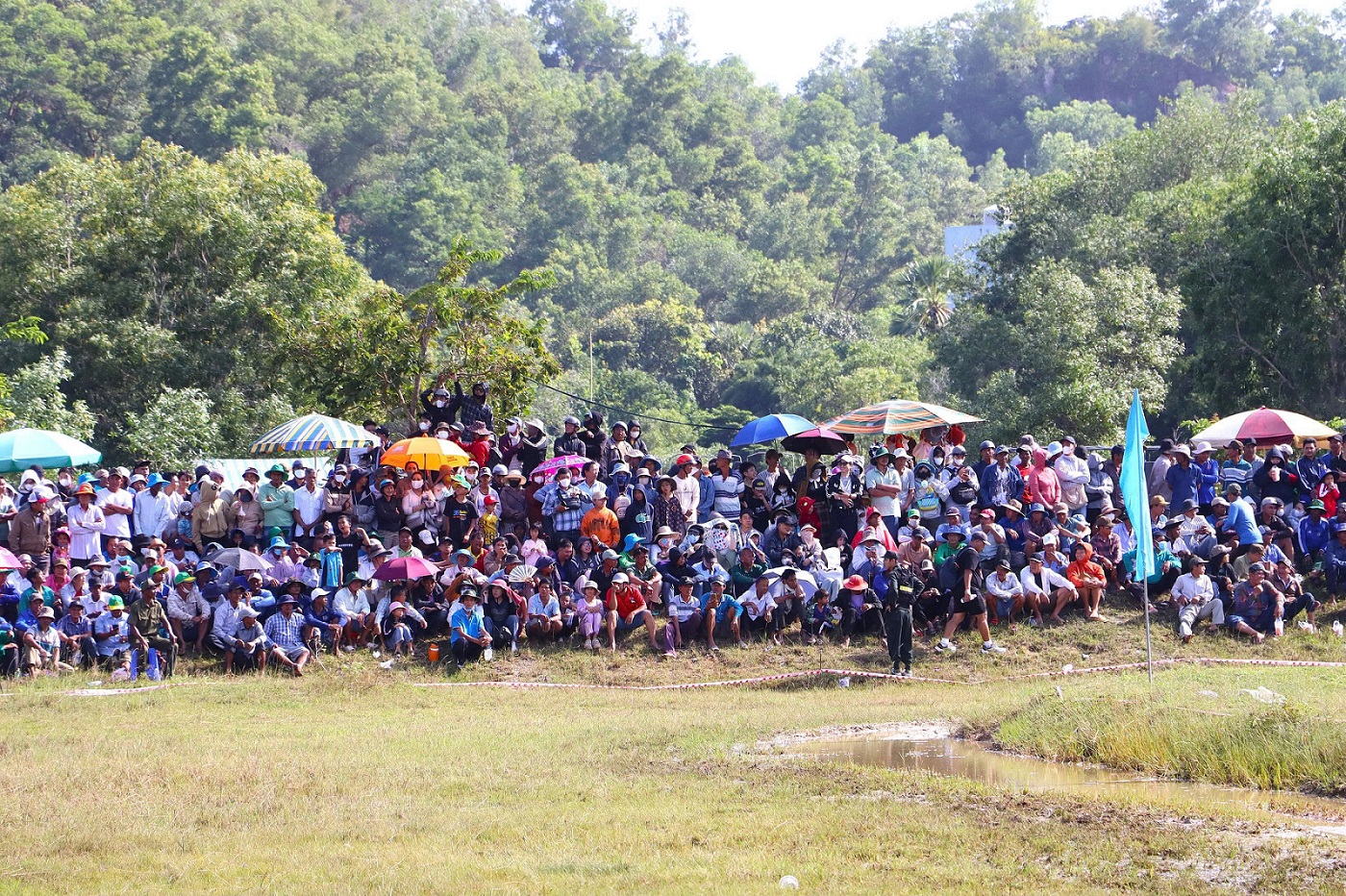
Attending the festival requires embracing the chaos. Spectators crowd the banks, dodging flying mud as the oxen thunder past. The air smells of wet earth, cattle, and rain. The soundscape is a wall of cheering, drumming, and shouted commands. Yet, amid the noise, the appeal runs much deeper than the visual spectacle.
The festival provides a direct, unvarnished look at rural resilience. It introduces outsiders to the specific rhythms of Khmer agricultural life in Southern Vietnam. The event survives not because it was designed for tourists, but because it still matters to the people who race.
The Bay Nui Ox Racing Festival endures by remaining authentic. The mud is real. The agricultural roots are intact. As long as rice grows in the shadow of the Seven Mountains, the oxen will run.
 Bay Nui Ox Racing Festival 2026: Essential Information
The 2026 Bay Nui Ox Racing Festival (Hội Đua bò Bảy Núi) is a traditional Khmer agricultural and sporting event scheduled to take place on October 10, 2026, in An Giang Province, Vietnam. Officially marking its 31st edition, this high-speed ox racing competition is the most significant cultural event in the Seven Mountains (Bay Nui) region. It is held annually to coincide with Sene Dolta, a vital Khmer ancestral observance honoring the end of the agricultural cycle.
- Event: 31st Bay Nui Ox Racing Festival
- Date: Scheduled for October 10, 2026 (starting at 7:30 AM)
- Location: Ox racing field, An Cu Commune, Tinh Bien, An Giang Province
- Participants: Expected to feature approximately 60 pairs of racing oxen
- Cultural Connection: Held during the Khmer Sene Dolta festival; recognized as a National Intangible Cultural Heritage in 2016
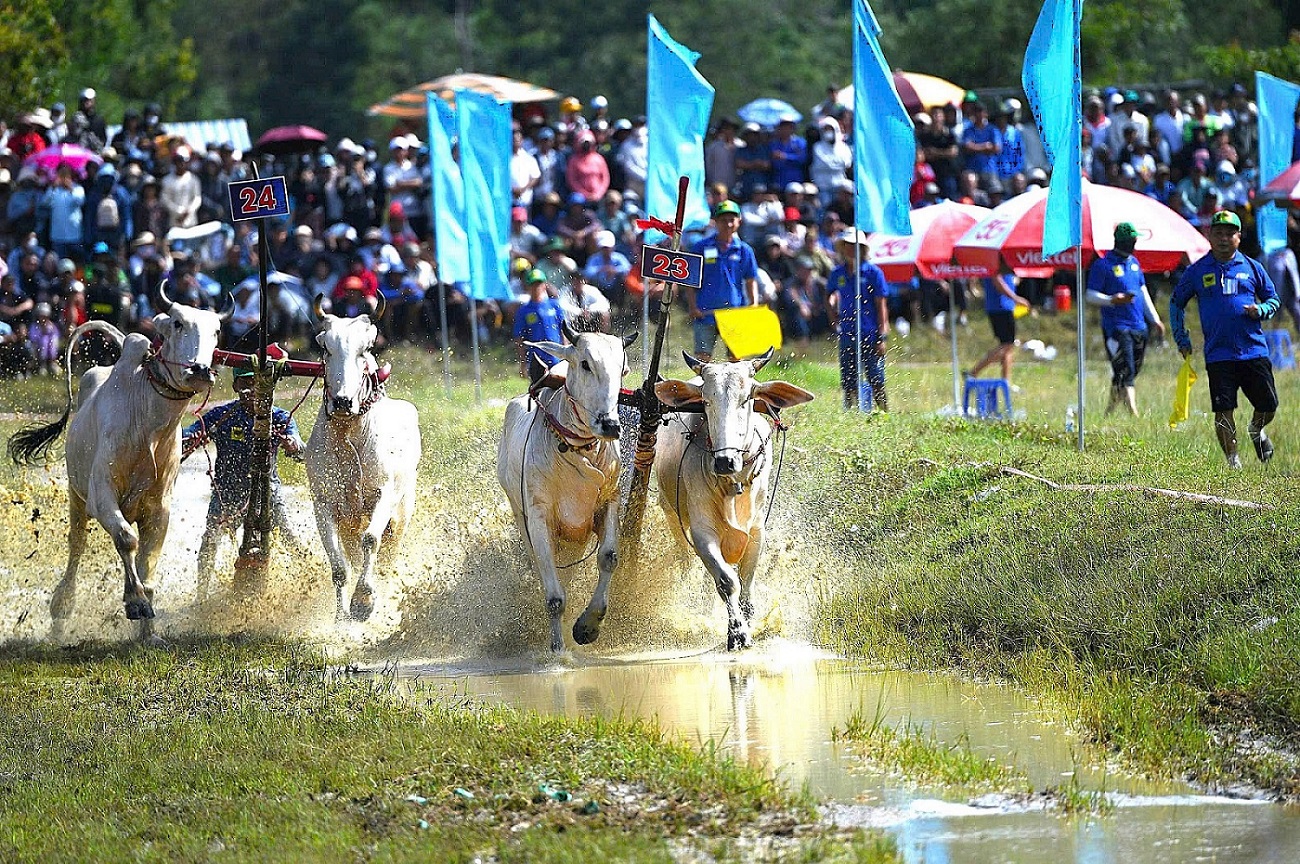
Originating from the traditional practice of conditioning working cattle before the autumn-winter harvest, the festival honors the enduring bond between Khmer farmers and their agricultural animals. The race takes place on a flooded, muddy track constructed to mimic a traditional rice paddy. The oxen do not race independently; they pull a narrow wooden harrow. A skilled handler balances precariously on this platform, utilizing a driving stick to navigate the slick terrain. Each race consists of a slow, controlled positioning lap (hô) followed by an explosive sprint (thả) where the oxen charge toward the finish line at maximum speed.
For the ethnic Khmer community of the Seven Mountains region, the festival transcends sport. It is a profound expression of communal identity, ancestral respect, and agricultural pride. Champion oxen are deeply revered, bringing immense prestige and the promise of a prosperous harvest to their owners and local villages.
For international travelers visiting An Giang, the 2026 Bay Nui Ox Racing Festival provides a rare, visceral glimpse into the agrarian heritage of the Mekong Delta. Experiencing this intense competition from the muddy sidelines offers an authentic connection to Southern Vietnam’s distinct Khmer culture that cannot be found on standard tourist routes.
Share This Post















Welcome to Asia Travel & Leisure, your premier Southeast Asia DMC specializing in authentic B2B travel experiences across Vietnam, Laos, Cambodia, Myanmar, and Thailand.


